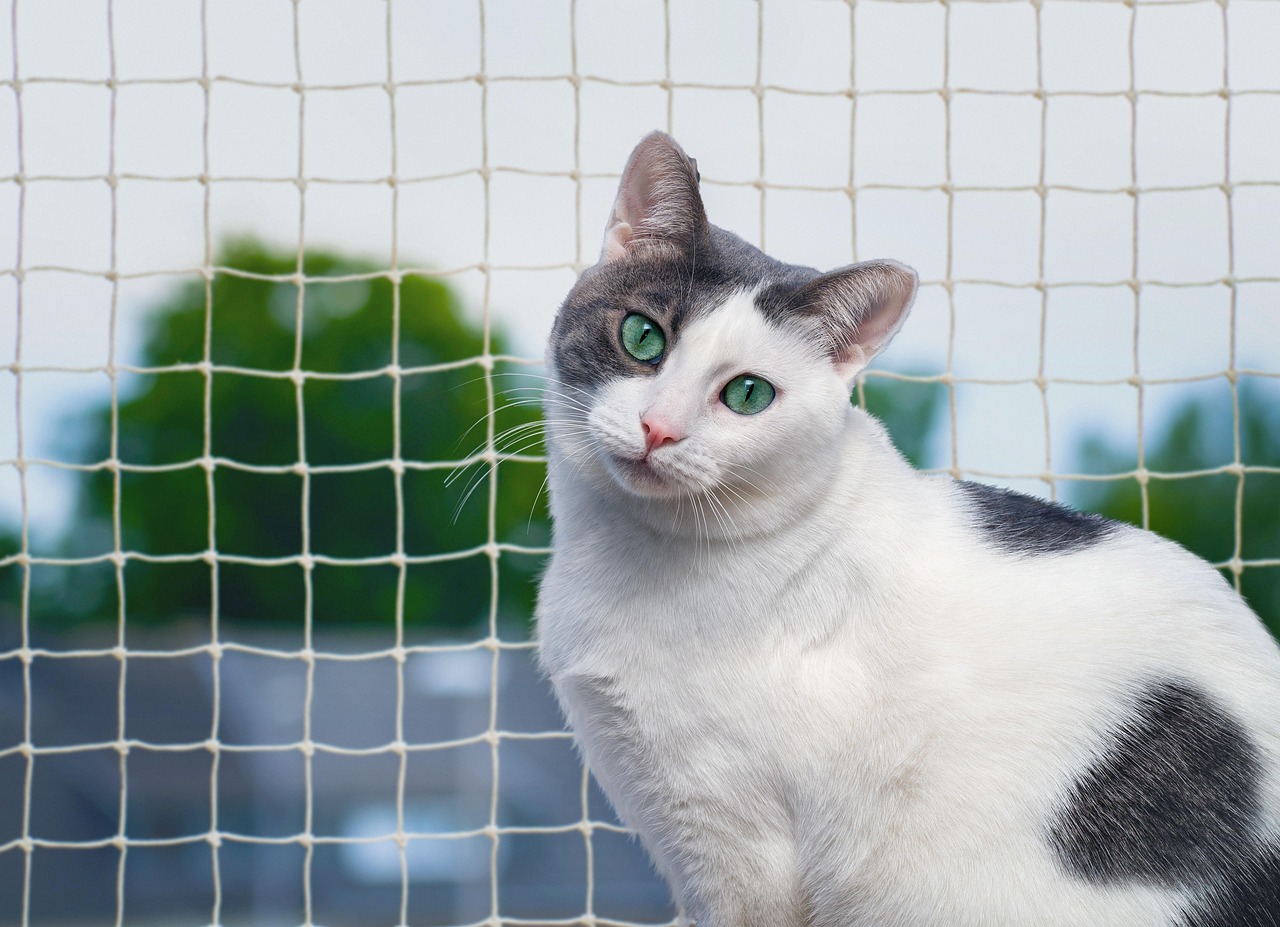

The Importance of Monitoring and Maintenance for Cat Housing Safety
Creating a safe and comfortable environment for cats in housing is crucial. Regular inspection of the litter box and sleeping area ensures hygiene. Additionally, inspecting for wear and tear, such as loose wires or sharp edges, can prevent injuries. Enclosed areas should be well-ventilated to promote air circulation. Monitoring humidity levels is essential as a humid environment encourages mold growth. If present, exerting control can prevent a risk to their health. Maintenance of the floors is also essential; ensure surfaces are clean, and remove any hazards promptly. Place non-slip mats in areas where the cat tends to play or scratch. These simple measures not only enhance your cat’s quality of life but also increase their safety. Providing appropriate furniture can help prevent accidents too. Create spaces that allow your pets to explore safely. Have regular check-ups to maintain safety at all levels. Ultimately, prioritizing these aspects can significantly reduce risks involved in cat housing, ensuring that your feline friends live happily and safely at home. Keeping their environment secure is the best way to show your love.
Maintaining a clean living space plays an important role in your cat’s overall health. Regular cleaning helps prevent clutter and debris that may harbor germs. By cleaning regularly, you can minimize unwanted odors and make the housing area more appealing. Ensure that food and water containers are cleaned consistently, along with bedding items to remove any bacteria or parasites. This not only keeps cats healthy but also makes the environment welcoming. Cleanliness can impact their behavior; a dirty habitat may lead to stress and anxiety in pets. Establishing a routine helps significantly. Dedicate a specific time for this task each week. A clean environment aids in reducing the chances of infectious diseases. Examine the cleanliness of the litter box daily and replace litter regularly. Consider using hypoallergenic litter to decrease respiratory irritants. Cats are sensitive to their surroundings, and cleanliness is critical. Moreover, a clean living space encourages better relationships between pet owners and felines. When your cat feels comfortable, they’re more likely to engage positively with you and other pets, leading to a happier living situation for everyone involved.
Essential Maintenance Tips for Cat Housing
Understanding the importance of maintenance in cat housing is critical and can extend the life of the home. Regular maintenance means checking items regularly to ensure they are functioning effectively. In cat housing, this involves periodic inspections of the scratching posts, climbing trees, and other furniture items. Scratching posts should be checked for stability; moves or adjustments may be necessary. Look out for any signs of wear, such as fraying materials or loose screws, which could pose risks. Climbing areas should be structurally sound to withstand the cats’ activity. Inspect for any potential escape routes. If a risk exists, close off possible exits and ensure all securement measures are followed. Monitoring the materials used in the housing structure is also necessary; ensuring they are pet-safe should prioritize your routines. Regular maintenance helps to keep your home safe and caters to your cat’s needs. Furthermore, improving the aesthetics of the area can enhance comfort greatly. Choose non-toxic paint or materials if any renovations occur. This goes a long way in ensuring safety while keeping the living area stylish.
Proper ventilation is particularly crucial especially in enclosed spaces, as it helps improve air quality. A well-ventilated area reduces condensation, thus discouraging mold development. Mold poses significant health risks to cats. Regular ventilation checks are beneficial for verifying clean airflows within the housing. Ensure windows or vents remain unobstructed. In addition, consider integrating air purifiers to enhance air quality. Invest in an HVAC system if it’s feasible; these systems can regulate temperatures effectively. This can contribute majorly during seasonal changes, as controlling the climate can lead to a healthier feline family overall. Moreover, if you’re finding issues with allergies among cats, consult your veterinarian. They can offer tips on how to reduce allergens present in their environment. Such measures are crucial to ensure comfort and safety in the long run. Additionally, monitoring humidity can help keep the atmosphere balanced. By maintaining both ventilation and humidity levels, cat owners pave the way for a healthy, enriching environment for their felines. It nurtures instinctual behaviors and reduces potential stressors that could interfere with their well-being.
Understanding Safety Considerations in Cat Housing
When it comes to the security of your cat’s housing, various safety measures warrant consideration. It’s vital to take precautions against potential hazards, such as poisonous plants and accessible strings. Cats are naturally inquisitive, which can lead them to areas of risk. Therefore, all harmful items should be stored securely. Education on pet-safe plants can prevent accidents that lead to veterinary emergencies. Checking that windows and doors are securely closed also prevents unexpected escapes. Install secure screen doors or window guards in high locations where curious cats may attempt to go outside. Moreover, never leave plastic bags or other suffocating materials within reach. Creating a safe environment means eliminating any immediate threats. Also, ensure that all devices and cables are well organized. Loose wires can become chewing targets, leading to hazardous situations. Regular checks of home improvement or DIY projects are also crucial. Ensure that all materials or tools used are non-toxic and stored away safely. Fostering a continuously safe environment captures both preventive and protective measures, allowing for peace of mind in your living space.
Engaging in regular examinations of pet housing can significantly determine its longevity. Regular assessments often reveal minor issues before they escalate. It’s wise to conduct a comprehensive walkthrough of the space every few weeks. Check for any neglected areas that might need cleaning or repairs. Also, ensure that all fixtures and fittings are functioning correctly. Take this time to assess the behavior of your feline friends in their environment as well. Notice if they are showing signs of discomfort or anxiety; it may be related to their surroundings. Identify potential sources of stress and take steps to address them. Regular assessments extend beyond physical structures. Ensure that the emotional climate of the environment is secure and supportive for your cats to thrive. Enhancing this involves learning to interpret behaviors, which sheds light on how they express their well-being. Provide mental stimulation through toys or interactive experiences to engage your pets actively. Ultimately, consistent monitoring means ensuring cats remain healthy and happy. Your commitment will reflect positively on their well-being each day.
Conclusion on Cat Housing Safety
Establishing a culture of safety and health in cat housing reflects your commitment to their well-being. Implementing routine checks and maintenance serves as preventive measures, reducing potential hazards. Regular cleaning eliminates harmful bacteria, creating a healthy environment for cats to live. Furthermore, keeping an eye on safety considers not only physical but emotional aspects as well. Cat owners play a pivotal role in providing enriching experiences that motivate their cats to thrive. Ensuring proper ventilation and air quality aids their health significantly. All these contributions create a bond that fosters mutual respect and happiness between pets and their human counterparts. In conclusion, the importance of maintaining safety in cat housing cannot be understated. It encompasses various elements like cleanliness, maintenance, and emotional stability. As pet owners, taking ownership of these responsibilities portrays a desire to improve the bond with your feline friends. Making sure they have a secure, clean, and stimulating environment will ultimately translate into happier cats. Cherishing your pets by ensuring their safety exemplifies the nature of pet ownership.
In essence, the safety of feline housing requires diligence, observation, and care. Prioritize these tasks to secure your cat’s home. Active participation means understanding how cats interact with their surroundings. Use the knowledge gained to adapt and modify as necessary. Paying attention to such elements enhances their quality of life while indirectly providing love and companionship. By creating an engaging, safe habitat, your cats will thrive and enjoy their lives. Taking proactive steps in monitoring and maintaining safety leads to long-term health benefits. Consistently monitoring housing will alleviate significant concerns and provide a sense of stability. As dedicated cat owners, it’s essential to embrace these responsibilities wholeheartedly. Your commitment to providing a safe haven should be continuous. Instilling safety measures will pay off through the quality of life exhibited by your beloved pets. Your proactive approach ensures a secure environment that allows them to flourish. In turn, they will engage positively with you and display loving behaviors. Nurturing a sense of safety in your cat’s life translates to overall happiness. With attention to detail, ensure their housing is a wonderful place for them to explore.