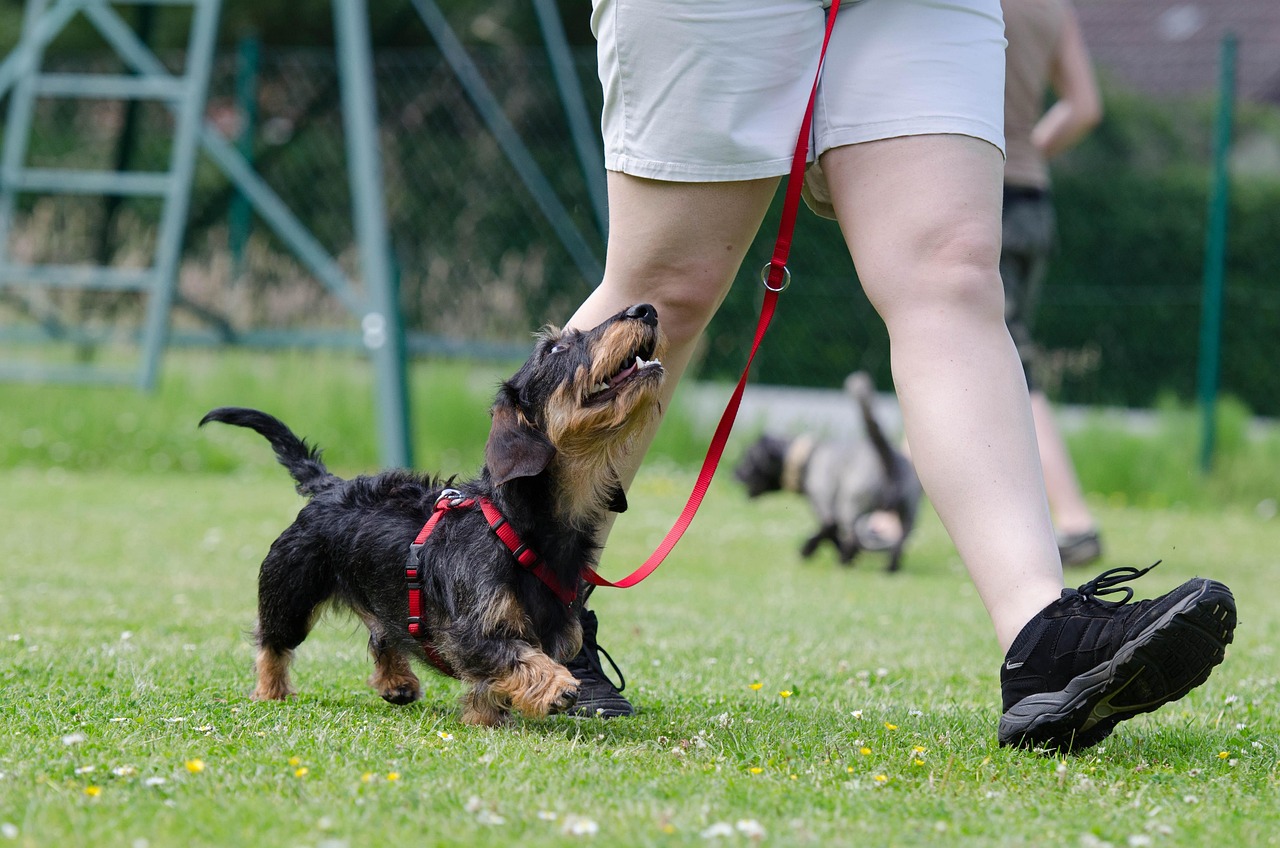

Training Techniques to Improve Obedience in Schutzhund
Schutzhund training is a rigorous process that emphasizes obedience, protection, and tracking. Proper techniques can greatly enhance a dog’s responsiveness and overall behavior. One effective strategy is to start with basic commands such as sit, stay, and down, using positive reinforcement. This creates a solid foundation for more advanced tasks. Consistency in training sessions is essential, as it helps the dog understand expectations and builds rapport. Incorporating play and reward-based systems encourages eagerness to participate. Propelling the dog forward in a calm environment is vital, as external distractions can hinder focus and obedience. Leash training is another important element, allowing handlers to guide dogs while teaching them to remain attentive. Practicing commands off-leash gradually can boost confidence, leading to improved performances. Additionally, incorporating mental challenges alongside physical ones will ensure sustained engagement. While training, patience and adaptability are critical skills for trainers. Dogs, like humans, have varying learning curves; thus, methods must be tailored for individual needs. The ultimate goal is to foster a trusting relationship that encourages a dog to obey commands willingly and joyfully. Optimal results come from a balance of firmness, encouragement, and affection.
Creating a Rewarding Environment
To effectively improve obedience in Schutzhund, creating a rewarding environment during training is essential. Establishing a positive atmosphere encourages dogs to perceive training as a fun activity rather than a chore. This can be accomplished through various means, such as utilizing high-value treats or toys. Identifying what motivates your dog can greatly influence their willingness to learn. During training sessions, praise and rewards should be immediately given upon executing a command correctly to reinforce behavior. Consistent timing of rewards establishes a clear connection between actions and results, enhancing learning retention. Social interactions and playtime also foster a positive mindset in dogs. Incorporating interactive games helps to keep the training dynamic, ensuring engagement and focus. Additionally, varying locations for training can introduce new distractions to challenge your dog further, preparing them for real-world scenarios. It’s crucial to monitor the training environment, minimizing distractions during sessions for better results. Implementing a routine can help solidify these positive associations. Ultimately, building a fun and rewarding learning environment not only enhances obedience but also strengthens the bond between handler and dog, leading to a stronger performance in Schutzhund.
Incorporating fieldwork and exploratory exercises into Schutzhund training offers another avenue for improving obedience. Dogs naturally have a strong inclination to engage their environments; utilizing this trait can be a game changer. Organizing exercises that involve searching for hidden objects, either by scent or sight, stimulates their minds and increases attention levels. Subsequently, such activities can lead to greater successes with obedience commands. While performing these tasks, handlers must remain attentive and engaged, providing adequate guidance. Additionally, establishing clear communication during these exercises is crucial to ensure understanding and compliance. Integrating distractions, such as other people or animals, is also beneficial, as it encourages dogs to remain focused even in stimulating environments. This aspect of recreational training reinforces the concept that obedience is necessary, regardless of circumstances. Furthermore, adapting exercises to include varying difficulty levels will keep the training session exciting and appropriate for the dog’s skills. Remember, patience serves as a vital partner when managing any challenges that arise. Ultimately, succeeding with these techniques fosters a well-rounded Schutzhund competitor, as obedience becomes second nature, valued during both training and performance.
Setting Realistic Goals
Setting realistic, incremental goals throughout the obedience training process is key to long-term success in Schutzhund training. Attempting to rush progression can lead to frustration for both handler and dog, ultimately hindering performance. First, assess your dog’s individual aptitude and unique capabilities; this will help guide the development of achievable standards. Start with simpler tasks, and gradually build up to more complex commands, ensuring mastery at each stage. Tracking progress regularly allows handlers to adjust their approach based on areas needing improvement. Incorporating feedback into training sessions will provide insights into methods that work effectively. Remaining adaptable enables adjustments for real-time learning experiences, which can significantly impact morale and engagement. Consistently celebrating small victories contributes to fostering a positive training atmosphere. Furthermore, involving other experienced trainers or mentors may provide valuable perspectives, enhancing growth opportunities. Remember, every dog learns at its own pace, so comparing progress against others can create unnecessary stress. Focus on the relationship built alongside training results, as this bond greatly influences obedience. Ultimately, setting realistic goals leads to better outcomes, ensuring enjoyment during the Schutzhund training journey.
A crucial training technique involves reinforcing the ‘Watch Me’ command, which encourages dogs to maintain eye contact with their handlers. This simple yet effective command fosters attentiveness and communication. Begin training with the dog in a low-distraction environment, gradually increasing distractions as proficiency builds. When initiating this process, using treats or toys is a great approach to capture your dog’s attention. Instruct your dog to sit and position your hand with the reward near your face, encouraging them to look into your eyes. For each successful attempt, use verbal praise and rewards to reinforce this positive behavior. Incorporating the ‘Watch Me’ command within other training sequences helps solidify its importance, applying it both in obedience tasks and high-pressure situations. This technique significantly contributes to a dog’s level of focus, allowing for optimal performance during Schutzhund trials. Practicing this command frequently not only improves attention but also strengthens the bond between dog and handler. Remember, each dog may take time to master this command, and perseverance is essential. As progress continues, this skill becomes an invaluable tool that enhances overall obedience and responsiveness.
The Power of Consistency
Consistency serves as an invaluable element in Schutzhund training, as it directly influences obedience and skill mastery. Adhering to routines benefits both the dog and the handler, creating a structured learning platform. Establishing regular training sessions enhances retention of commands and understanding of expectations. Dogs thrive on repetition, allowing them to internalize cues and responses genuinely. Furthermore, utilizing the same terminology consistently ensures clarity; varying commands can lead to confusion, hindering progress. Handlers should also share instructions and training practices within a community to create a cohesive environment that reinforces learned behaviors. In addition to verbal cues, consistent body language reinforces signals, enhancing communication. If a handler conveys contradictory cues, the dog may struggle in understanding desired actions. Regular evaluations of both the dog’s and handler’s progress are essential for refining techniques, enabling adjustments when required. When setbacks occur, consistency ensures the dog maintains trust in the handler’s leadership, enabling continued growth. Cultivating patience throughout the training journey strengthens the foundation laid. Ultimately, instilling a consistent approach throughout Schutzhund training paves the way for enhanced obedience, engagement, and overall performance.
Engaging in socialization practices with other dogs and people is crucial for promoting obedience in Schutzhund training. Exposing dogs to various environments, situations, and individuals broadens their experiences, which can reduce anxiety and increase confidence. A well-rounded socialization plan encompasses interactions with different canine breeds, sizes, and temperaments. Arrange playdates with trusted, well-behaved dogs or enroll in group training classes to foster better social skills. Incorporating frequent outings to different locations also contributes to the overall learning process. The goal is to instill discipline in dogs, teaching them to maintain obedience even amidst distractions. Socialization also lays the foundation for stronger communication between handler and dog, enhancing responsiveness to commands. Additionally, those experiences enable handlers to identify any behavioral issues that arise during interactions, allowing for timely intervention. Create a schedule that prioritizes both training and socialization, ensuring all aspects of obedience are thoroughly addressed. Regular monitoring and adjustments to socialization techniques will help accommodate individual needs and preferences. In summary, consistent socialization efforts greatly contribute to improving obedience in Schutzhund training, fostering well-rounded, engaged canine companions.