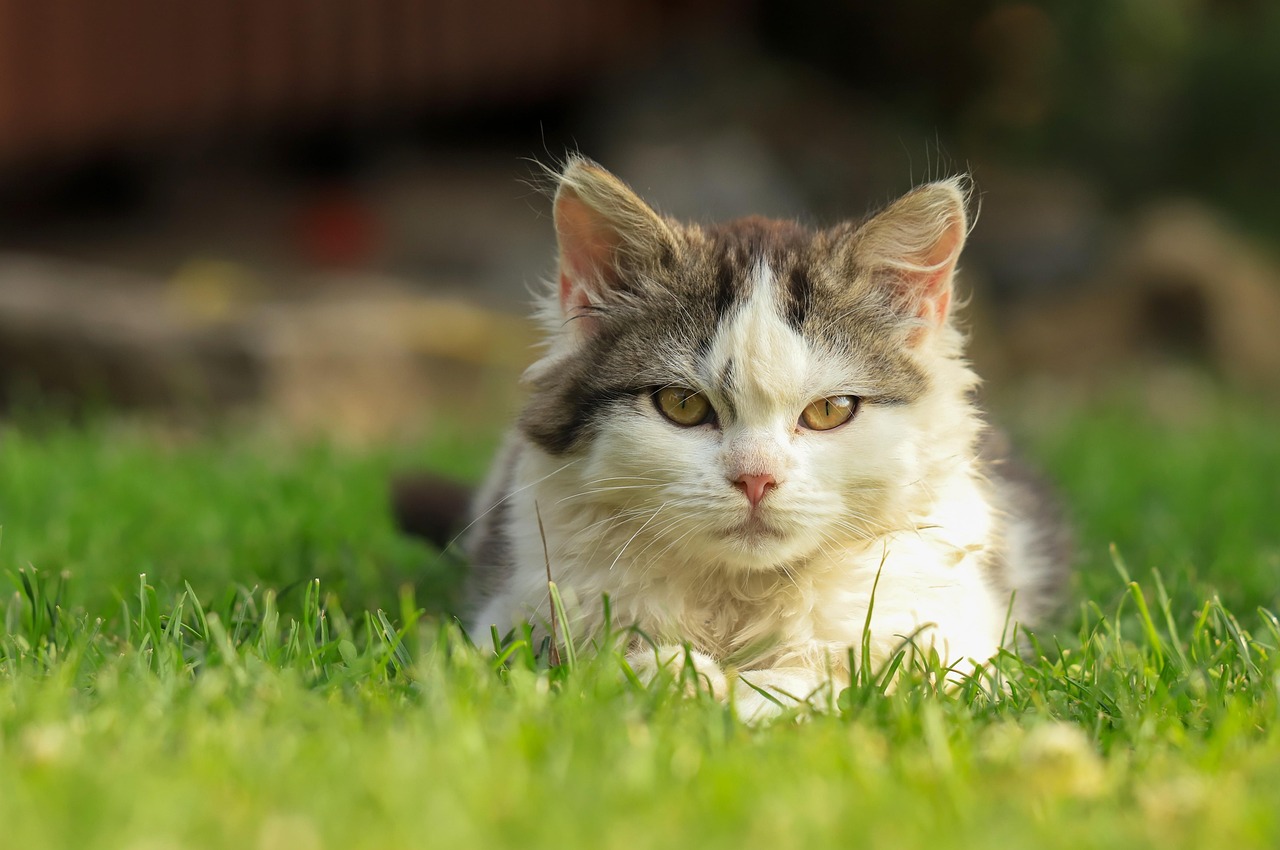

Senior Cat Identification: Spotting Early Warning Signs of Illness
As cats age, they experience various physiological changes that can indicate health problems. Caring for a senior cat requires keen observation to identify these early warning signs. Behavioral changes are often the first indicators. You might notice your cat becoming less active or withdrawing from social interactions. Weight loss is another significant sign, as it may indicate dental issues or illnesses like hyperthyroidism. Be cautious if your cat suddenly starts eating less or has changes in drinking habits, such as excessive thirst or refusal of water. Changes in litter box habits are also concerning; for example, if a cat starts urinating outside the litter box, it could signal a urinary tract issue. Moreover, monitor any changes in grooming habits; a decrease might suggest physical discomfort or illness. Regular veterinary check-ups are essential for older cats to ensure early detection of potential issues. Pay attention to any unusual noises when your cat is breathing or changes in their coat quality. Lastly, discomfort while being handled can be a sign of pain, requiring your immediate attention to get your furry friend examined.
Senior cats can show subtle signs of illness that might often go unnoticed. It is crucial for cat owners to educate themselves on these signs. Regularly inspect your kitty for any lumps or bumps; these could be indicators of more serious issues, such as tumors. Also, look out for signs of fatigue that persist longer than usual. If your cat sleeps significantly more than prior, this can indicate health problems. Changes in mobility are common in older cats; a decrease in jumping or climbing could be an indication that your cat is dealing with joint pain or arthritis. Observing changes in your cat’s vocalization patterns is equally necessary. Increased vocalization can often signify pain, while a decrease might indicate depression or discomfort. Changes in eyesight or hearing should also not be overlooked. If your cat seems to bump into objects or fails to respond to sounds, it’s essential to consult with a vet promptly. Being in tune with your cat’s needs and shifts in their normal behavior helps ensure they receive the timely care they deserve.
Health Changes: Recognizing Behavioral Indicators
Monitoring your senior cat’s behavior is essential for early illness detection. If you notice your cat becoming less interested in play, it may indicate discomfort or pain. A previously social cat who withdraws from family interactions warrants concern and can be a sign of anxiety or health issues. Increased lethargy may also accompany declining health, as older cats may not feel like themselves. Lingering signs of stress or changes in temperament, like aggression or defensiveness, can also precede medical issues. Be observant of appetite, as a rapidly changing diet can lead to significant problems. If they refuse to eat for more than a day, immediately contact a veterinarian. Another critical behavioral change is excessive grooming, as it often indicates stress or discomfort. Look out for areas of bald spots or inflamed skin. Alternately, a cat that stops grooming altogether can be displaying a problem or severe health concern. Remember that each cat is unique, and understanding your cat’s normal behavior is vital for recognizing any changes that might indicate illness.
Another critical area is monitoring your cat’s physical health as they age. Changes to posture or walking can reveal underlying problems. Observe if your cat seems stiff or has trouble climbing stairs; these signs often indicate arthritis or other musculoskeletal issues. Learn to recognize signs of pain, such as vocalizing, hiding, reduced grooming, or even changes in how they interact with their environment. Pay attention to their coat, as it can change due to nutrition or illness. A dull, unkempt appearance might indicate dental disease or other health issues. Additionally, issues with the digestive system often arise in senior cats. Keep an eye out for vomiting, diarrhea, or difficulty using the litter box. All these symptoms warrant immediate veterinary care. Monitoring for any abnormal discharges from the eyes or nose is also crucial, as these can indicate respiratory infections or allergies. Always remain proactive about your cat’s health by scheduling routine veterinary visits. With early intervention, many senior cat illnesses can be managed or even treated effectively, ensuring your furry friend remains comfortable and happy.
Importance of Regular Checkups
Senior cats require regular veterinary checkups to ensure early identification and management of health conditions. Schedule these visits at least twice a year for blood work, dental examinations, and general health assessments. These routine checkups allow the vet to monitor significant changes before they become serious health issues. Your vet can also recommend vaccinations and discuss dietary needs appropriate for your cat’s age. Discuss any behavioral concerns you have noticed during these visits, as this can give them valuable insight into potential ailments. It is crucial to discuss family history as well. Certain breeds have predispositions to various conditions, and being aware of these can help your vet recommend preventive measures. Keeping an ongoing dialogue about your cat’s health with your veterinarian helps create a tailored approach to ensure they stay healthy. Furthermore, being proactive about health issues makes it easier to detect and address them as they arise. Always remember that feeding your senior cat a balanced nutrition of high-quality food is an essential aspect of their long-term well-being. Understand the signs of aging and illness to remain vigilant.
In conclusion, caring for a senior cat requires a proactive approach to health monitoring. Owners should familiarize themselves with typical signs of aging and potential medical conditions that may develop as their feline friend grows older. By being attentive to behavioral changes, you can catch issues early, making treatment more manageable. Behavior modification, weight management, and preventative care are vital components of keeping your senior cat healthy. You should document any changes to your cat’s routine, such as feeding schedules or changes in interaction as it can help your vet provide the best care. Prioritizing proper nutrition and hydration is integral to maintaining overall health. Additionally, providing suitable environments to minimize stress positively impacts well-being. Make lifestyle adjustments to accommodate their needs, such as using ramps or low climbing furniture to assist with mobility changes. A comfortable bed can be crucial for alleviating joint pain and helping them rest well. Always consult with your veterinarian about any health concerns, and remain engaged with your cat’s health. By displaying love, patience, and care, you contribute to a happy and healthy life for your senior cat.
Final Recommendations
To ensure your senior cat lives a comfortable life, integrate regular observation of their behavior and health indicators into your daily routine. This doesn’t only improve their quality of life; it can significantly extend it. Make a commitment to monitor shifts in appetite, grooming habits, and litter box usage. Ensure their diet is rich in nutrients suitable for seniors. It’s also advisable to keep their weight in check to minimize stress on their joints. Regular exercise, even if reduced, is important to maintain muscle tone without overexerting them. Keep their environment calming and predictable, reducing stress levels that can trigger health setbacks. Maintain an active relationship with your veterinarian, promptly sharing any concerns for your cat. Consider investing in pet health insurance to help manage costs for unexpected health issues that arise. Most importantly, provide your feline companion with ample affection and understanding, as emotional wellness plays a crucial role in their overall health. Remember that knowledge is power. Equip yourself with information to advocate effectively for your beloved senior cat, ensuring they receive the best care possible.
Incorporating interactive enrichment into their routine can significantly enhance your senior cat’s quality of life, promoting mental stimulation and combating boredom. Engage them with age-appropriate toys that captivate their interest without causing stress. Simple activities like gentle interactive play sessions or puzzle feeders can work wonders to keep them engaged. Small modifications, such as creating perches for them to observe their surroundings and enjoy a change of scenery, can elevate their living conditions. Offering a variety of environments within the home, like sunlit spots for napping and cozy corners for resting, allows them to choose based on their comfort levels. Consider establishing safe outdoor opportunities if they are accustomed to it, such as secure patio spaces. Always supervise any outdoor time to keep them safe. Social interactions are essential; spend quality time with them, enhancing feelings of companionship and connection. Remember, every cat is unique, and what works for one may not necessarily improve another’s life. Stay attentive to their needs and preferences. By being proactive and sensitive to your cat’s health and environmental requirements, you can significantly improve their life experience during their golden years.