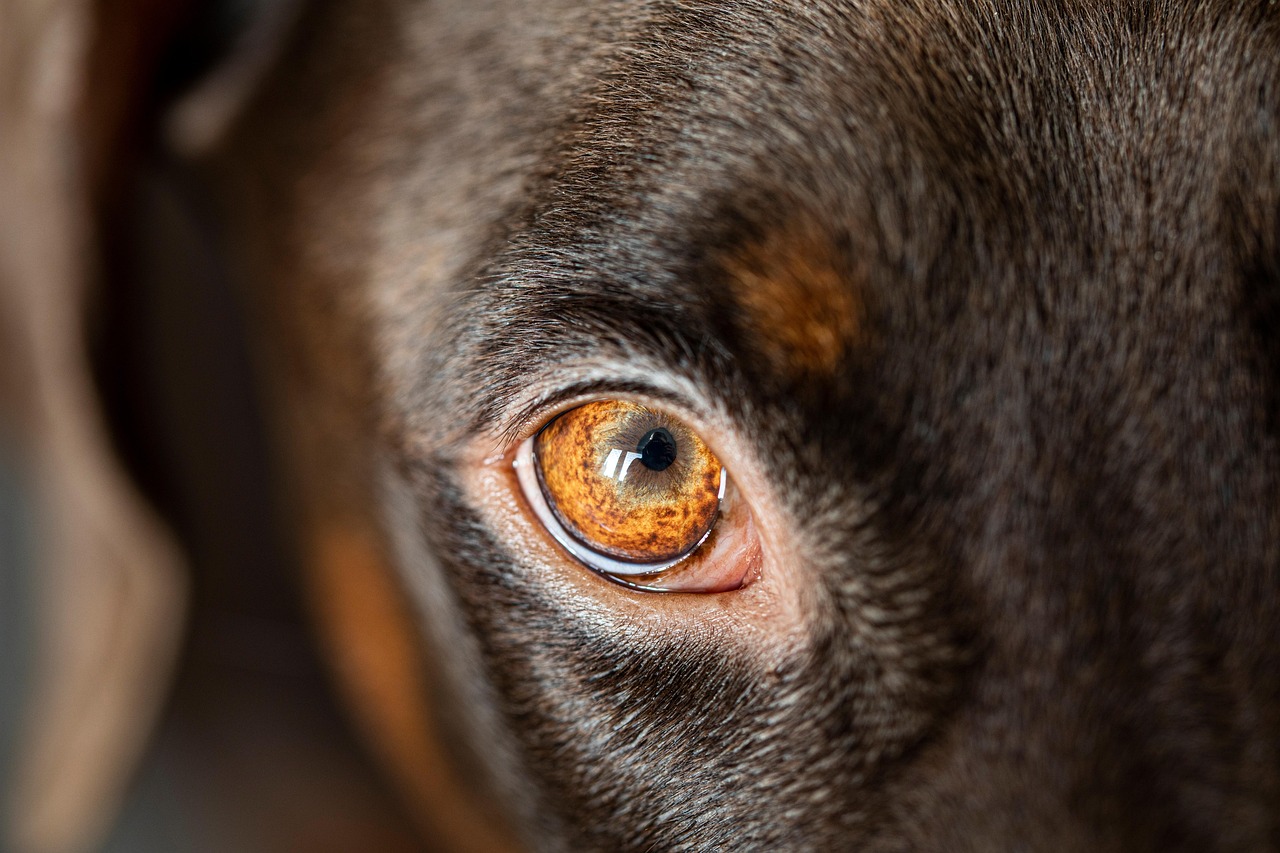

Tips for Traveling with Dogs While Protecting Their Eyes
When traveling with your dog, taking special care of their eye health is essential. Dogs may face various eye-related issues during trips, including irritation from wind, debris, and sun exposure. To protect your dog’s eyes, invest in a pair of dog goggles made explicitly for them. These goggles can shield their eyes from harmful UV rays and debris, ensuring their comfort as you travel. Make sure to acclimate your dog to wearing these goggles at home before your journey. Dogs can be a bit resistant to new things, so gradual introduction is essential. Besides goggles, consider the environment in which you will be traveling. If you’re heading to a place with a lot of dust or pollen, you might want to keep your dog indoors as much as possible. If outdoor activities are unavoidable, plan ahead to have breaks where your dog can rest away from the irritants. Monitoring your dog’s behavior for signs of discomfort is critical. Look for pawing at the eyes, squinting, or excessive tearing as these may indicate irritation needing attention.
Aside from protecting your dog’s eyes physically, ensuring they maintain proper hydration during travel is vital. Dehydration can lead to various health complications, including dry eyes, which may cause discomfort for your furry friend. Always carry fresh water for drinking on the go. If you’re unsure whether the water in your travel location is safe for pets, stick with bottled water for peace of mind. During breaks, encourage your dog to hydrate, especially if traveling in warmer climates. A well-hydrated dog is more likely to have moist eyes. Additionally, keep an eye on any changes in your dog’s energy levels or behavior. If you notice any abnormalities, consult a veterinarian promptly. An essential component of eye care involves regular check-ups with your vet. Before embarking on your trip, a veterinary visit can help identify any pre-existing conditions that could flare up with travel stress. Your vet can offer tailored advice for your dog’s specific needs. Having essential medications on hand can also be a lifesaver if any issues arise while on the road.
Choosing the Right Travel Gear for Eye Protection
Investing in quality travel gear for your dog can significantly impact their eye health. A well-fitting harness and carrier will keep your dog secure and comfortable during the trip. Ensure your dog’s carrier has proper ventilation and room for them to move, which can help them feel less anxious. If you travel often, having a travel kit that includes pet-safe wipes is beneficial. These wipes can clean any debris or allergens around their eyes, preventing inflammation or irritation. To further ensure complete protection, practice good grooming before your trip. Regularly check their eye area for any buildup of tears or irritants that need addressing. Consulting your veterinarian can help you select the best grooming aids and methods for your dog. If your trip involves a lot of swimming, ensure to rinse your dog’s eyes afterward thoroughly. Salty or chlorinated water can cause irritation. Thus, proactive cleaning will keep their eyes free of harmful substances. Generally, planning and preparation can help ensure your dog enjoys the trip as much as you do, without eye health issues.
Maintaining a consistent routine while traveling can help minimize anxiety for your dog. Keep feeding and bathroom schedules regular, as unexpected changes might stress out your pet. Try to consider their usual meal times, ensuring to bring enough food and snacks to avoid any gastrointestinal disruptions. Establish designated areas to allow your dog to relieve themselves regularly can make a difference. A stressed dog is more prone to experiencing adverse effects, including issues with their eyes. When traveling, try to take frequent breaks to let your dog stretch and relieve stress. Use these opportunities as a chance to check their eyes for any signs of irritation or discomfort. Additionally, having your first aid kit on hand that includes eye-related remedies can be beneficial. Insect bites, unexpected allergies, or irritants from the environment could occur, and having solutions in your kit could help. Always keep medication manuals accessible for instructions and details. Being proactive in such care minimizes risks and ensures your dog remains happy and healthy throughout your travels. Incorporate these tips into your travel planning to create a comfortable and safe experience for both of you.
Mindful of Temperature and Climate
Climate when traveling is another key factor for maintaining your dog’s eye health. Extreme temperatures can lead to overheating, especially in our four-legged friends, which can worsen eye conditions. Always keep your dog in a climate-controlled environment as much as possible. This means that if you travel by car, the air conditioning should always be running, and you should avoid leaving your dog alone in the vehicle. Additionally, your dog might be sensitive to climate changes, so gradual acclimatization may be necessary. If you’re planning to visit a hot environment, gradually expose your dog to the temperature over several days. This approach can reduce stress and potential health issues. Likewise, cold climates can also be harmful due to wind and snow, which can cause irritation and injuries. Keep your dog’s eyes protected from harsh winds by shielding them when needed with goggles. Whenever possible, monitor your dog’s body language for discomfort or distress due to temperature. Keeping them safe and comfortable will ensure that their trip is enjoyable, and you can create unforgettable memories together on your adventures.
Another crucial aspect of protecting your dog’s eyes while traveling is being mindful of possible hazards. If you frequent places like beaches or parks, consider the risk of sand or debris entering their eyes. Particular care must be taken when they play with other dogs; over-excitement can lead to accidents. Regular monitoring is essential; if you see your dog pawing at their eyes frequently, suspect something is wrong and take action. Consider investing in protective eyewear for such outdoor adventures. UV rays are harmful not only for humans but for dogs as well. Besides sunglasses, which can look adorable, consider hats with brims to protect their face from direct sunlight. Proper sunscreen for pets may also be used on their visible skin areas like nose and ears as an additional precaution. Educating yourself on signs of eye health problems can empower you to act quickly if necessary. Familiarize yourself with common issues such as redness, excessive tearing, or unusual discharge. Taking proactive measures ensures that your canine companion enjoys every aspect of your trip while allowing peace of mind for their eye safety.
Monitor Post-Travel Eye Health
After a trip, monitoring your dog’s eye health is crucial. Excessive exposure to elements, remnants from their adventures, or unexpected encounters can lead to eye problems surfacing after travel. Schedule a follow-up vet appointment if your dog exhibits symptoms of discomfort. Signs might include persistent rubbing, squinting, or unusual discharge from the eyes. These symptoms indicate that something may be wrong that requires attention. Apart from vet visits, review and clean your dog’s eye area regularly. Proper care post-travel may help prevent infections and ensure overall eye health. Use pet-safe cleansing solutions recommended by your veterinarian to keep their eyes fresh and clean. Monitor their environment upon returning home; cleaning after travel can help eliminate potential allergens or irritants that could trigger reactions. If you suspect that permanent damage occurred during the trip, seek specialized care from an eye veterinarian. Keeping records of any symptoms or behaviors could assist your vet in determining the best course of action. Taking your dog’s eye health seriously pre, during, and post-travel allows you both to enjoy adventures without worry about potential complications affecting your beloved pet.
By following these tips, traveling with your dog can become a stress-free and memorable experience. Prioritizing eye health while being conscious of environmental factors and signs of irritation enables a comfortable journey for both you and your canine companion. The right gear, adequate preparation, and diligence in watching for discomfort are essential strategies. Know that dogs are susceptible to eye injuries and illnesses but taking precautionary measures allows you to mitigate risks effectively. Keeping vet contacts handy during travel ensures you have reliable help if issues arise on the road. Make sure to maintain a positive travel attitude to help ease any anxiety your dog may feel when exploring new places. Remember to share your adventures with others and consider documenting your travels together. These memories will not only enrich your bond with your canine but can help educate other dog owners on the importance of eye health while traveling with their furry friends. With love, care, and attention, you can create a world of joy and happiness wherever your travels may take you.