
How to Monitor Vital Signs During and After Canine Surgery
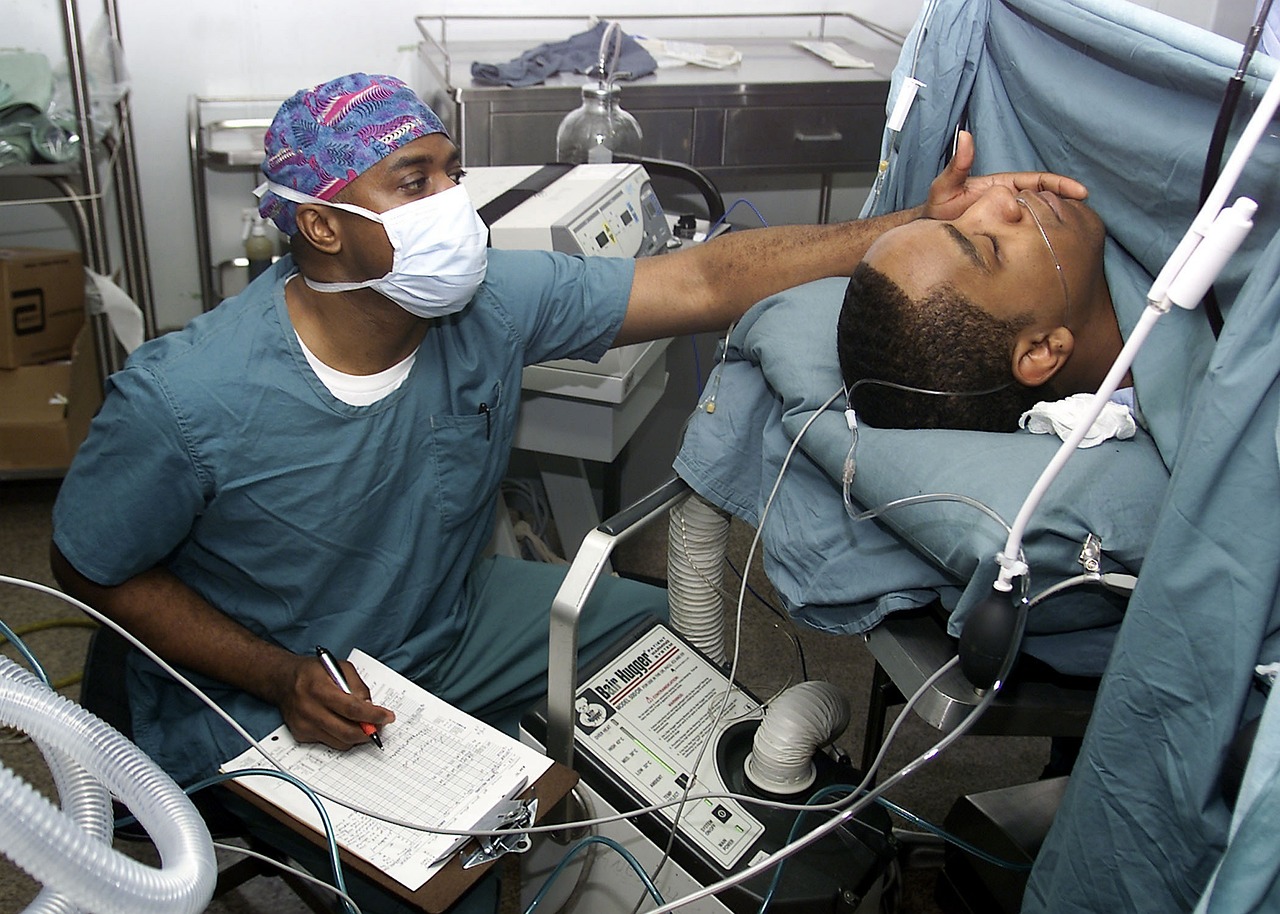
Selecting the right tools for monitoring vital signs during canine surgery is crucial. Begin by ensuring you have access to a digital thermometer, pulse oximeter, and blood pressure monitor. These devices will allow you to effectively assess your dog’s health status throughout the procedure. Pre-surgical checks should always include baseline readings of temperature, heart rate, and respiratory rate. These baseline figures play an essential role in post-operative monitoring. Additionally, ensure that you are familiar with your dog’s normal ranges for vital signs. Heart rates typically vary between 60 to 120 beats per minute for dogs, depending on size and breed. Respiratory rates usually range from 10 to 30 breaths per minute, and temperature should be around 101.0 to 102.5 degrees Fahrenheit. This knowledge becomes invaluable when monitoring changes during and after surgery. Pay attention to both anesthetic levels and recovery responses, as these factors significantly influence overall well-being. Documenting these vital signs not only helps in immediate postoperative care but also aids in long-term recovery assessment. Your vigilance can greatly affect surgical outcomes.
Monitoring vital signs after surgery requires consistent observation and quick access to your written records. Right after surgery, place the dog in a quiet environment and check temperature regularly. Documenting any changes in heart rate and respiratory patterns can inform your veterinarian if you need to seek immediate help. It’s normal to expect fluctuations post-operation, as anesthesia may cause temporary depression of vital functions. A pulse oximeter can assist in monitoring oxygen levels, identifying whether your dog is getting enough oxygen post-anesthesia. If the readings drop below 90%, seek veterinary assistance as soon as possible. Besides vital signs, also observe your dog’s behavior for signs of pain or stress. Signs may include whimpering, excessive panting, or reluctance to move. Maintaining open communication with your veterinarian about these symptoms can ensure timely interventions. Keep in mind that hydration is just as essential in recovery. Check the dog’s water intake and encourage them to drink to prevent dehydration. Moreover, keep an eye on appetite levels and urges to urinate or defecate, as changes here may indicate issues that require veterinary follow-up.
Understanding Normal Ranges
Each dog is unique, making it important to know the normal ranges for vital signs based on their age and breed. Puppies generally exhibit higher heart rates, sometimes exceeding 220 beats per minute, tapering down as they mature. Conversely, senior dogs may have lower baseline readings, and understanding these nuances can guide post-surgery care. When your dog is recovering, daily observations are necessary. Watching for normal behavior such as eating, drinking, and appropriate elimination can help prompt interventions when something feels off. If your canine doesn’t return to these typical behaviors, consult your veterinarian. Use the normal ranges as a guide while being flexible. An increase in heart rate and temperature can indicate pain or infection while a decrease may signal complications related to anesthesia or sedation. Ensure that you remain vigilant during this period and amend your monitoring approach as necessary based on your dog’s signals. Always have your vet’s emergency contact handy, should urgent questions arise. Remember, being informed and observant plays a vital role in effective post-operative care.
The importance of patient comfort cannot be overstated. Just because surgery is complete doesn’t mean your work is done. Help your dog feel comfortable and quiet, minimizing stress during the recovery process. A calm environment with favorable temperatures can significantly help to stabilize vital signs. Create a cozy resting place using blankets or pet beds to ensure that your dog feels safe and secure. Calmness promotes better health recovery. Avoid unnecessary disturbances while providing necessary care and observations. If pets feel anxious, it could elevate their heart rates and affect overall monitoring efforts. You should also assess their comfort level frequently, checking for any signs of discomfort or agitation. In addition to a peaceful setting, consider offering supportive options during recovery, such as orthopedic beds or gentle massage. Address any discomfort promptly to facilitate quicker healing. Always reinforce with your vet the best strategies to manage pain through medication, should any discomfort be noted. Remember, your dog needs to feel safe and calm to achieve the best recovery, and monitoring vital signs is easier in such an environment.
Assessing Complications
Be alert for potential complications during the post-operative period, as these can affect your dog’s vital signs. Sudden changes might indicate underlying issues that require immediate attention. For instance, if your dog develops a fever or shows excessive panting, these could point toward infections or respiratory problems. Additionally, swelling around the surgical site is another sign to monitor closely. Be vigilant for any unusual discharge, and if you notice any, it could indicate infection necessitating veterinary care. Frequent vomiting, lethargy, or altered consciousness are serious signs that you cannot ignore. These symptoms could mean that your dog is in distress or having an adverse reaction to anesthesia, requiring emergency veterinary intervention. Always keep an eye on recent surgical sites for signs of inflammation or pain. Watch for behavioral changes that may signal distress. You know your dog best, so trust your observations and instincts. Never hesitate to reach out to your veterinarian if you feel something isn’t right. Quick responses play a crucial role in managing complications effectively in your pet.
The recovery period after surgery can vary greatly between dogs and the type of procedure performed. Some dogs bounce back quickly, while others may take longer to regain their usual vitality. Accordingly, your monitoring routines must be adapted to meet individual needs. Assess specific medications your dog is receiving, as those can alter both behavior and vital signs. Anesthesia often leads to grogginess, which might affect how your dog responds in the initial days post-surgery. If there is no improvement after a few days, contact your veterinarian. Remember, each dog’s recovery journey is different, and some may require more time and attention than others. Maintain a detailed log of vital signs, medications administered, and general behavior to discuss with your vet during follow-ups. This log serves as a valuable resource that can provide insights during veterinary visits. You should also keep the environment quiet and controlled to help maximize recovery. Focus on frequent gentle interactions to keep your dog emotionally supported while healing and allowing them to gradually regain strength.
Conclusion and Final Thoughts
Monitoring your dog’s vital signs is an essential part of the post-operative care process. It’s not only crucial for their immediate recovery but also significantly impacts their long-term health outcomes. Regular observations will help you catch potential problems early, allowing for prompt veterinary intervention which can change the prognosis substantially. Remember that the recovery process can be complex and unpredictable. Your role as a pet owner is to remain vigilant, attentive, and proactive in monitoring vital signs and overall behavior. Equip yourself with the necessary knowledge and tools to ensure effective monitoring during this critical time. If you’re ever unsure of the appropriate response or notice any concerning signs, don’t hesitate to consult your veterinarian. Creating an environment that promotes stress-free recovery is equally important. Providing a safe space for your dog not only encourages comfort and safety but also can improve healing. Ultimately, the goal is to ensure your dog returns to optimal health, allowing them to regain their vitality and happiness.
Through diligent monitoring and careful observation, you can help your dog navigate the post-surgical recovery period with greater ease, setting the stage for a bright and healthy future.