
The Genetic Factors Influencing Hepatic Lipidosis in Cats
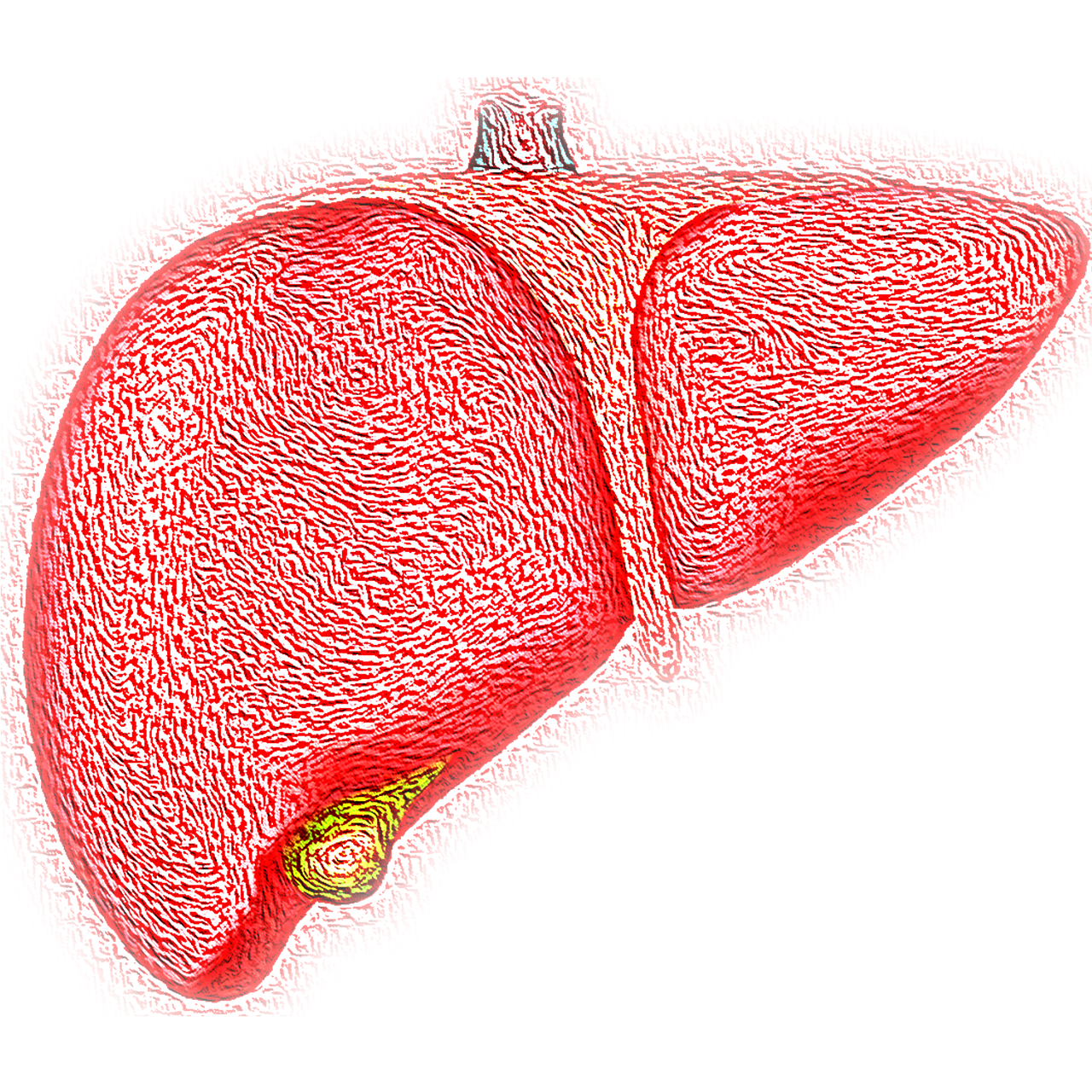
Hepatic lipidosis is a severe liver condition that affects felines, particularly those that are overweight or have certain genetic predispositions. This condition occurs when fats accumulate in the liver, impairing its function. There are numerous factors that may lead to the onset of hepatic lipidosis, including obesity, stress, and insufficient nutritional intake. While environmental factors certainly play a role, emerging evidence suggests a significant genetic component to this disease in cats. Specific breeds may exhibit higher tendencies toward developing hepatic lipidosis, indicating a hereditary factor. In this context, understanding the interplay between genetics and environmental influences is crucial for effective management and prevention of this illness. Genetic testing may soon become a pivotal tool in identifying at-risk breeds or individual cats, helping cat owners make informed choices about health and diet. As research continues to advance, veterinarians and breeders can work together to minimize the risks associated with this life-threatening condition, ensuring that cats live longer, healthier lives without the debilitating effects of hepatic lipidosis and its associated complications.
Genetic predisposition to hepatic lipidosis can manifest in various ways, revealing itself particularly in certain breeds more than others. For instance, breeds like Siamese and Abyssinians are frequently cited among those that face a higher risk of developing this condition. Understanding what genetic factors contribute to these predispositions ensures a better grasp of how to manage feline health proactively. Researchers are studying specific markers within DNA that may correlate with lipidosis, enabling the development of targeted strategies for prevention. Identifying mutations related to lipid metabolism could lead to exciting advances in personalized feline healthcare. As genetics plays a critical role, cat owners should remain vigilant for symptoms such as weight loss and jaundice, which are indicators of hepatic lipidosis. Moreover, maintaining a healthy diet and appropriate weight is essential in ensuring a cat’s overall well-being and potentially preventing such conditions. The interplay of genetics and lifestyle in managing feline hepatic health cannot be overstated; it demands careful consideration and action. Ultimately, continually educating the pet community helps create optimal environments for feline health, reducing the incidence of hepatic lipidosis through informed choices.
The Role of Nutrition in Hepatic Health
Nutrition significantly influences the overall health of a cat’s liver, particularly for those genetically predisposed to hepatic lipidosis. Cats that undergo rapid weight loss or receive inadequate calorie levels may exacerbate their risk, especially if they encounter stressful situations. Proper nutritional balance helps mitigate these risks while supporting liver function. It is crucial for cat owners to provide balanced diets rich in protein and low in carbohydrates, which is vital for maintaining overall health and avoiding rapid fat mobilization. Careful ingredient selection promotes better metabolism and energy levels, reducing susceptibility to hepatic disorders. Moreover, understanding individual dietary needs is paramount in crafting the best feeding plan for each cat. Some genetic variants may require specific adjustments in dietary composition to maintain their health and reduce risks. Regular veterinary check-ups can help tailor diets to individual cats based on age, weight, and breed. Being proactive in one’s approach to nutrition is an investment in the cat’s health that can prevent hepatic lipidosis. As awareness grows about the importance of diet, the feline community is better equipped to promote healthy lifestyles and reduce the incidence of liver diseases.
Despite the challenges posed by genetics and nutrition, several lifestyle factors can actively contribute to managing and possibly preventing hepatic lipidosis in cats. Owners should encourage regular exercise and play to maintain a healthy weight, which can be crucial to reducing fat accumulation in the liver. Interactive toys and structured playtimes can promote physical activity, providing both mental and physical stimulation. Keeping a cat engaged through playful activities can help combat weight gain and stress, both of which are significant contributors to the onset of hepatic lipidosis. Furthermore, environmental enrichment can also alleviate stress in cats, contributing positively to their overall health. Ensuring that a cat has access to safe areas to explore and hide can lead to happier and healthier lives. A supportive and engaging environment encourages natural behaviors, improving not only physical but also mental well-being. Active participation in a cat’s daily routine turns preventive measures into meaningful experiences that foster strong bonds between pets and owners. By targeting lifestyle adjustments, the risk factors associated with hepatic lipidosis can diminish, allowing cats to thrive free from such life-threatening conditions.
Early Detection and Genetic Testing
Early detection of hepatic lipidosis is vital for successful treatment and cat recovery. Owners should be alert to signs like lethargy, lack of appetite, vomiting, or abnormal behavior. Regular check-ups with a veterinarian can aid in identifying liver-related issues before they escalate. Furthermore, as genetic research expands, the possibility of genetic testing for predisposition to hepatic lipidosis becomes increasingly feasible. Understanding a cat’s genetic makeup may provide insight into health risks, allowing for tailored care approaches. Genetic testing can reveal hereditary factors that may contribute to health risks, enabling proactive management strategies. As science continues to unravel the complexities of feline genetics, these advancements present promising avenues for veterinary medicine. Veterinarians can utilize this information to recommend specific lifestyle changes, dietary adjustments, and preventive health measures for high-risk breeds or individual cats. By identifying high-risk cats through testing, owners can become more educated about health monitoring. This proactive approach not only enhances feline health care but also reduces the potential burden of hepatic lipidosis. Embracing genetic knowledge can profoundly impact how cat owners approach their responsibilities.
Advancements in veterinary science are opening new doors in understanding genetics and its implications for feline hepatic health. Research into the genetic underpinnings of hepatic lipidosis is evolving, revealing that certain enzymes and metabolic pathways may be linked to the storage and metabolism of fats in the liver. In particular, studies are focusing on genes that regulate lipid metabolism to better predict which cats are at risk for hepatic lipidosis. Ongoing studies pave the way for discovering genetic markers that veterinarians can use to identify predisposed individuals. These insights can empower veterinarians to devise customized treatment plans that address each cat’s unique genetic profile. Greater knowledge about the interaction between genetics and liver health could lead to the development of medications or supplements targeted toward early intervention strategies. Moreover, as research progresses, the dissemination of findings will enable informed decision-making among breeders. The implications of understanding genetic aspects of hepatic lipidosis are significant, potentially enabling future generations of cats to lead healthier lives, minimizing the risk of developing diseases associated with liver complications that could be life-threatening.
Conclusion: Empowering Cat Owners
In conclusion, the confluence of genetics, nutrition, lifestyle factors, and veterinary care forms the cornerstone of effectively managing the risk of hepatic lipidosis in cats. Cat owners should remain informed about the genetic predispositions associated with their feline companions. Proactive measures can help ensure cats receive appropriate diets and lifestyle changes essential for maintaining optimal liver health. As each of these elements ties together, they create a multifaceted approach that prioritizes prevention and early detection. Awareness can empower owners to engage in meaningful conversations with their veterinarians and take the necessary actions. Additionally, as genetic research evolves, more comprehensive strategies will emerge for managing and potentially preventing hepatic lipidosis. Implementing genetic testing and staying attuned to dietary requirements can significantly influence the long-term health outlook for cats. By spreading knowledge and advocating for responsible pet ownership, the feline community can collaboratively work towards reducing the prevalence of hepatic lipidosis. Ultimately, empowering cat owners through education not only fosters healthier felines but strengthens the overall bond between humans and their beloved companions.