
Using Play Therapy to Help Cats Cope With Environmental Changes
Cats are sensitive creatures and may struggle when their surroundings change unexpectedly. Environmental alterations include moving to a new house, introducing new pets, or even changes in their owner’s daily routine. Such shifts can lead to stress and anxiety in cats, manifesting in undesirable behavior such as litter box avoidance or aggressive tendencies. Play therapy can be an effective strategy to help your feline friend adapt to these changes smoothly. This method revolves around using interactive and engaging play to build a cat’s confidence in their new environment. Through play, cats are encouraged to explore and investigate their surroundings, easing their transition. Moreover, these activities strengthen the bond between the cat and its owner, which can reduce anxiety. It is essential to incorporate toys that stimulate a cat’s natural hunting instincts. For instance, feather wands or laser pointers can encourage your cat to move and engage positively with its environment. Providing a variety of play options can ensure that your cat is kept engaged and occupied as they adjust to their new reality. Enrich their environment with different toys to enhance this experience.
Understanding feline behavior is crucial when using play therapy to help them cope with environmental changes. Cats, while independent, are also social creatures that rely heavily on their environment for comfort and security. Changes can cause them to feel threatened; thus, recognizing behavior changes is vital. If a cat begins hiding, becoming less active, or displaying aggression, it’s a sign that they may be struggling with adjustment. Incorporating play therapy as a regular part of their routine can significantly alleviate these behavioral changes. This effective approach not only provides physical stimulation through exercise but also serves as an emotional outlet. The process should be gradual; start slow and allow the cat to approach and engage at its own pace. Use interactive toys during play sessions to keep the cat curious and focused on the activity instead of the anxiety-provoking change. Scheduled playtime can significantly increase a cat’s sense of stability. Creating a safe space with familiar toys and scents can further enhance their sense of security. A balance of routine and play can create an enriching environment during transitional changes.
Types of Toys for Play Therapy
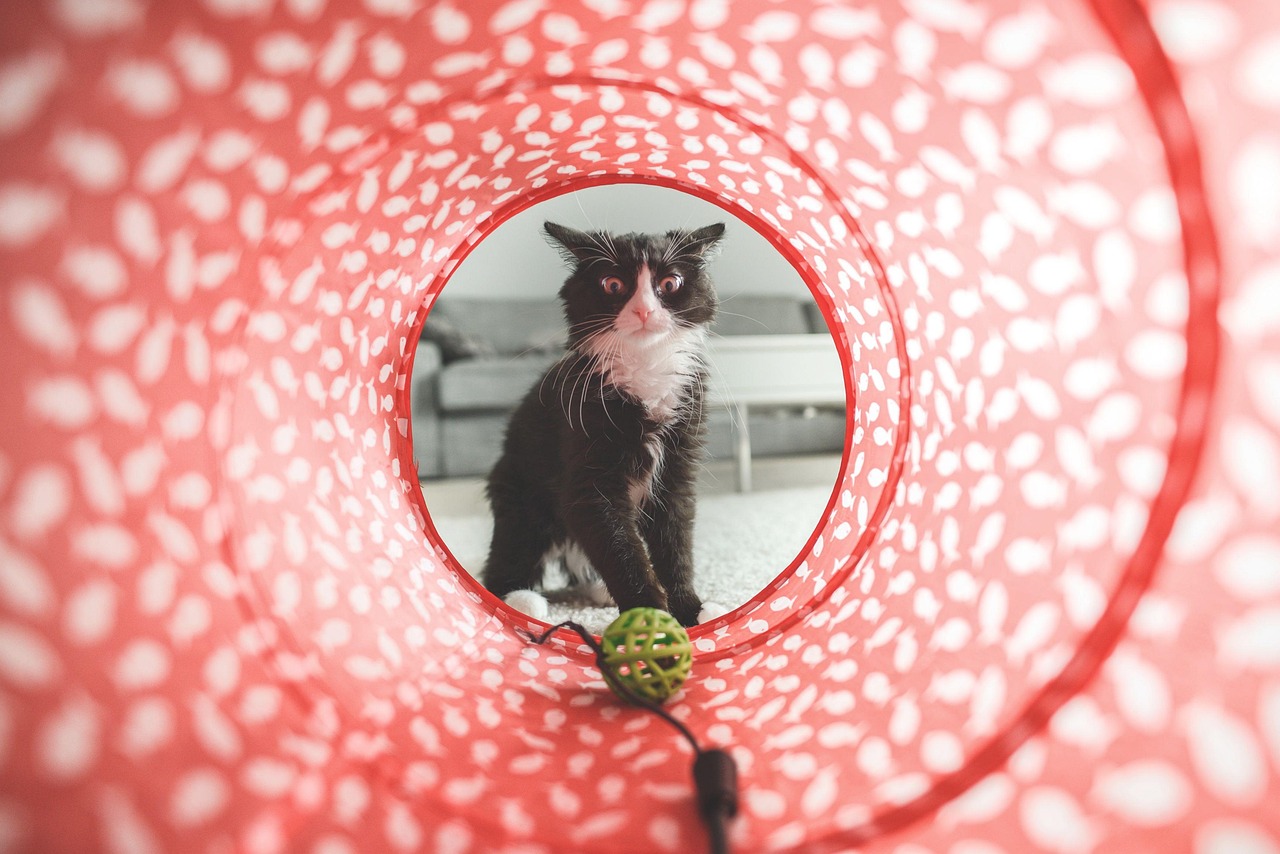
Choosing the right toys is essential in play therapy for cats adjusting to environmental changes. Interactive toys that mimic prey behavior can stimulate a cat’s hunting instincts, drawing them out of hiding. Consider using feather teasers that encourage jumping and pouncing, which not only promote physical activity but also enhance mental stimulation. Balls that can roll and bounce also offer excitement, particularly if they contain noise or light features that make them enticing. Puzzle toys, which dispense treats when solved, can keep a cat engaged while promoting problem-solving skills. Additionally, consider incorporating automated toys that move on their own; these can capture your cat’s attention while providing entertainment when you’re not around. Cardboard boxes can be excellent for exploration, triggering a cat’s natural curiosity. Ensure that any toys are safe and free from small parts that could be swallowed. Rotate toys regularly to maintain interest, offering variety to keep play sessions exciting. Remember that the key is to make play a positive and rewarding experience, helping your cat associate their environment with fun and joy amidst transitions.
During play therapy, it’s essential to focus on the quality of interaction with your cat. Engaging with them through play not only helps them cope but also builds trust. Use a calm and reassuring voice to encourage your cat during sessions. Ensure the play area is free from distractions or dangers that could scare them, providing a safe zone for comfortable interaction. Monitor your cat’s body language; signs of overstimulation like swatting or hissing indicate that it’s time to take a break. Allow your cat to dictate the pace of the game; they should decide when to engage and when to rest. Consistency in play routine can bring a sense of normalcy amidst changes, reinforcing their security. Aim for multiple short sessions rather than infrequent longer bouts; short bursts of activity tend to be less overwhelming. Incorporating pieces from their old environment, like familiar scents or toys, can ease anxiety while participating in play therapy. As they adapt, observe how their behavior shifts, adjusting play styles according to their comfort level and energy.
The Role of Socialization in Play Therapy
Socialization plays a vital role in utilizing play therapy for cats coping with environmental changes. Bringing in familiar friends or other friendly pets for supervised play can significantly boost a cat’s confidence. It allows them to observe positive interactions while also reminding them they are not alone. Cats learn by observing one another, so seeing another cat engage joyfully with toys can encourage your cat to participate actively. However, be cautious of introducing new pets too quickly or without proper introductions; overwhelm could induce more stress rather than offering comfort. Use playtime as a way to create enjoyable experiences with others that maintain a relaxed atmosphere. Controlled environments and gradual introductions can minimize anxiety when adjusting to change. Also, consider hosting playdates that involve passive participation rather than direct engagement to help instill positive associations. As your cat becomes more confident, they’ll learn to embrace their environment better, gaining comfort in the presence of other animals. Interactions with fellow cats can reinforce normal behaviors while soothing fears associated with changes.
Fostering a calming environment is crucial while utilizing play therapy to help cats cope with environmental changes. Alongside play, create a safe haven where your cat has access to a quiet space, away from distractions. Enriching their environment with vertical spaces like cat trees or shelves can give them a sense of security and ownership over their surroundings. By offering multiple hiding spots, they can retreat when feeling stressed. Additionally, using scents such as calming pheromones can promote relaxation. Products infused with calming herbal extracts can also help create a soothing atmosphere. Ensure that the area used for play is inviting, well-lit, and free from clutter. Consider incorporating soft bedding and their favorite toys in this space to encourage relaxation. Gradual exposure and reinstating familiarity in their surroundings will encourage them to explore. The combination of a serene setting with engaging play can significantly enhance your cat’s coping mechanisms. Monitor their behavior consistently. Tracking their progress will inform you if adjustments to the approach are needed, creating a responsive therapy strategy tailored to their needs.
Conclusion: The Benefits of Play Therapy
Utilizing play therapy to support cats dealing with environmental changes can yield numerous benefits. Beyond reducing stress and anxiety, engaging play leads to improved physical health and emotional well-being for cats. Owners can establish stronger bonds with their pets through regular play, finding joy in shared experiences. This interaction becomes a channel through which your cat can feel more secure amidst uncertainty. Cats that are granted freedom to explore and engage often develop enhanced social skills and confidence. Providing this enriching environment equipped with appropriate toys turns therapy into playtime, which is an enjoyable endeavor. As they adapt to new experiences, you’ll observe them returning to their natural behaviors. Encouraging autonomy through interactive play can safeguard against future anxieties, with long-term benefits to their behavior overall. Always remain patient and gentle, realizing that each cat is unique and may have individual needs. Consistent efforts can have a lasting impact. Investing time in play therapy can foster a happy, well-adjusted pet capable of navigating life’s transitions confidently. So, grab those toys and start the journey of dynamic play for flourishing feline companionship.