
How to Detect and Treat Minor Burns from Grooming Equipment
Dog grooming is an essential part of maintaining your furry friend’s hygiene, but it comes with risks. One common hazard is burns from grooming equipment, which can occur during clipping, drying, or even while brushing. Minor burns may initially go unnoticed but can lead to serious discomfort for your dog if not treated properly. Early detection is crucial to prevent further skin damage and alleviate pain. Look for redness, swelling, or a change in texture of the affected area. If you notice these symptoms, it’s essential to take immediate action. Even if the burn seems minor, your dog’s sensitivity warrants a careful approach. The right response can make a significant difference in recovery time. Always keep your grooming area well-lit and organized. This practice helps in identifying accidents more swiftly and allows for quick access to first aid supplies. Create a checklist of grooming items that could potentially cause burns, including clippers, dryers, or heated tools. Regular audits of equipment can ensure that everything is in working order and minimize risks associated with dog grooming.
Before using any grooming tools, ensure that they are in good working condition. Inspect all blades and other heated elements for any signs of wear that may contribute to burns. Also, familiarize yourself with the specific settings on your grooming tools to avoid excessive heat exposure. Grooming equipment should be appropriate for the dog’s breed, age, and skin sensitivity. If you start noticing any signs of undue friction or dragging on your dog’s coat, stop immediately. Reducing the length of grooming sessions can also be beneficial if you suspect the tools might be getting too hot. After identifying a potential burn, the priority should be to cool the affected area gently but quickly. Using cool water helps to alleviate pain and reduces the extent of the burn. However, avoid using ice directly on the skin, as it may cause more damage. Instead, wet a clean cloth with cool water and apply it to the area, ensuring it doesn’t overly wet the surrounding fur. Timing is essential, as the sooner you act, the better the outcome for your dog.
First Aid for Minor Burns
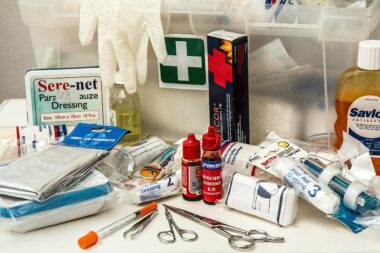
Once you’ve cooled the burn, it’s essential to clean the area meticulously. Use a mild antiseptic solution to gently cleanse the burn. Avoid soaps with heavy scents or chemicals, as they can irritate sensitive skin. After cleaning, pat the area dry with a soft towel. Do not rub, as this may worsen the irritation. Once the area is dry, apply a thin layer of a veterinarian-approved burn ointment to promote healing. Watch for any signs of infection, which include increased swelling, discharge, and persistent redness. If you notice these symptoms, consult your veterinarian. In cases of minor burns, your dog may require additional comfort measures. Providing a soft, quiet space for your dog to rest can significantly help in their recovery process. Make sure to monitor their behavior for any signs of pain or distress, such as excessive licking or whining. Prevent licking by using an Elizabethan collar if necessary. Additionally, keeping the area bandaged may help prevent infection, especially if your dog is prone to scratching or biting the site.
After initial treatment, observing your dog’s behavior becomes crucial. Evaluate whether they seem to be in discomfort or if their appetite has changed. Minor burns can evolve, so it’s necessary to keep a close eye on their recovery. If you notice any adverse reactions to the ointment or if the skin hasn’t improved in a few days, seek professional advice from your vet. They can recommend appropriate treatments and any additional first-aid measures required for your dog’s unique needs. Your responsibility as a pet owner includes being proactive in your dog’s care and grooming. Educating yourself on these issues only strengthens the bond you share with your furry friend. Sharing this knowledge with fellow pet owners can create a safer grooming environment for everyone. You might even consider scheduling periodic wellness checks for your grooming tools, and this can allow for early detection of issues that could lead to burns. Also, don’t forget to educate other caregivers involved in the grooming process, whether they are family members, friends, or hired professionals.
The Importance of Proper Equipment
Your grooming safety extends beyond just applying first aid measures. Investing in quality grooming equipment made specifically for your dog’s breed can drastically reduce risks associated with malfunctions. Look for clippers with adjustable heat settings and ergonomic designs for better handling. Heated dryers should have adjustable temperature controls to provide a comfortable experience for your dog. Consult with a professional about the best tools for your specific grooming needs. Keeping up with recommended maintenance for your equipment is a must. Ensure that tools are cleaned and properly stored after each use. Not only does this prolong the life of the equipment, but it also reduces the chances of accidents occurring due to negligence. Additionally, providing proper training if others are involved in grooming can further minimize risks. Even simple techniques, like how to gauge heat from clippers or blow dryers, can equip individuals with the knowledge to avoid injuries. Having a well-structured plan for handling equipment safely creates a secure environment for both you and your dog during grooming sessions.
In conclusion, proactive dog grooming and minor burn management go hand-in-hand. Understanding the potential risks associated with grooming can make a difference in your dog’s comfort level. Always start by inspecting your tools and familiarizing yourself with their operational aspects. Should a burn occur, take immediate steps to cool the area and apply appropriate first aid. Monitor your dog’s recovery closely, and do not hesitate to reach out to a veterinarian if things worsen. Investing in proper equipment and preventive measures can significantly improve the grooming experience for you and your pet while minimizing chances of injury. Following these guidelines ensures that grooming remains a positive and safe activity. Your dog’s safety and wellbeing should always be your top priority. Be prepared and equipped with the right knowledge and tools for your grooming sessions. Create a reassuring atmosphere that helps your dog feel at ease throughout the entire process. Safety is not just about reacting to accidents but also preventing them in the first place. Always be vigilant during grooming and keep your dog’s comfort in mind as you enhance their health and appearance.
Finally, remember that consistent education about grooming techniques will enhance the grooming experience for everyone involved. Engaging with other pet parents and sharing knowledge can lead to great discussions about best practices. Additionally, participating in community workshops or online seminars can provide further insights into safe grooming strategies. Make use of reputable resources such as veterinary advice, reputable groomers, and webinars to continue learning. These resources can help you build a toolkit of best practices that promote safety and comfort. A community that exchanges knowledge helps improve safety standards for all pets. Use social platforms to share experiences, gather tips, or seek advice. Documenting your grooming adventures can also serve as a reference, helping you to track any issues and remedies applied. Ensure you take photographs of equipment in use and note any responses from your pet. All these added precautions and strategies will lead to better grooming practices. Ultimately, your dog deserves only the best when it comes to grooming and care. With proper knowledge and tools, you can create a safe grooming environment that promotes health and happiness.