
Preventing Matting in Cats: Best Practices for Cat Owners
Preventing matting and tangles in your cat’s fur is crucial for their overall health and well-being. Regular grooming helps to remove loose hair, dirt, and debris, while also preventing painful knots. Cats are often meticulous groomers, but some breeds need additional help. For instance, long-haired cats like Maine Coons and Persians are more prone to matting. Therefore, it’s essential to establish a consistent grooming routine. Cats should be brushed at least once a week, or even daily, depending on the breed. Pay special attention to areas where matting is likely to occur, such as behind the ears and under the legs. Invest in quality grooming tools like slicker brushes and combs designed for your cat’s coat type. Additionally, using a detangling spray can make the grooming process easier. Make sure to praise and reward your cat during sessions to create a positive experience. This will not only help in grooming but also strengthen your bond with your pet. Keep the atmosphere calm, and ensure your cat feels safe throughout the grooming process.
Understanding the Importance of Grooming
Grooming is not just about aesthetics; it plays a fundamental role in maintaining your cat’s health. Cats can develop skin issues, allergies, and infections if their fur is not cared for properly. Matting can create hot spots, leading to discomfort and skin irritation. That’s why it’s essential for cat owners to understand the implications of matting. Regular grooming removes dead hair and reduces shedding, making your home cleaner. Additionally, it promotes circulation, helping moisturize the skin naturally. Keep an eye on any changes in your cat’s behavior during grooming; signs of discomfort may indicate an underlying issue. At the same time, grooming sessions offer an opportunity to inspect your cat’s coat and skin closely. Check for signs of ticks, fleas, or skin irritations as you groom. If you notice anything unusual, consult your veterinarian promptly. By being proactive, you can prevent minor issues from becoming more serious. Furthermore, regular grooming encourages good habits and makes it more manageable for both you and your cat during future grooming sessions.
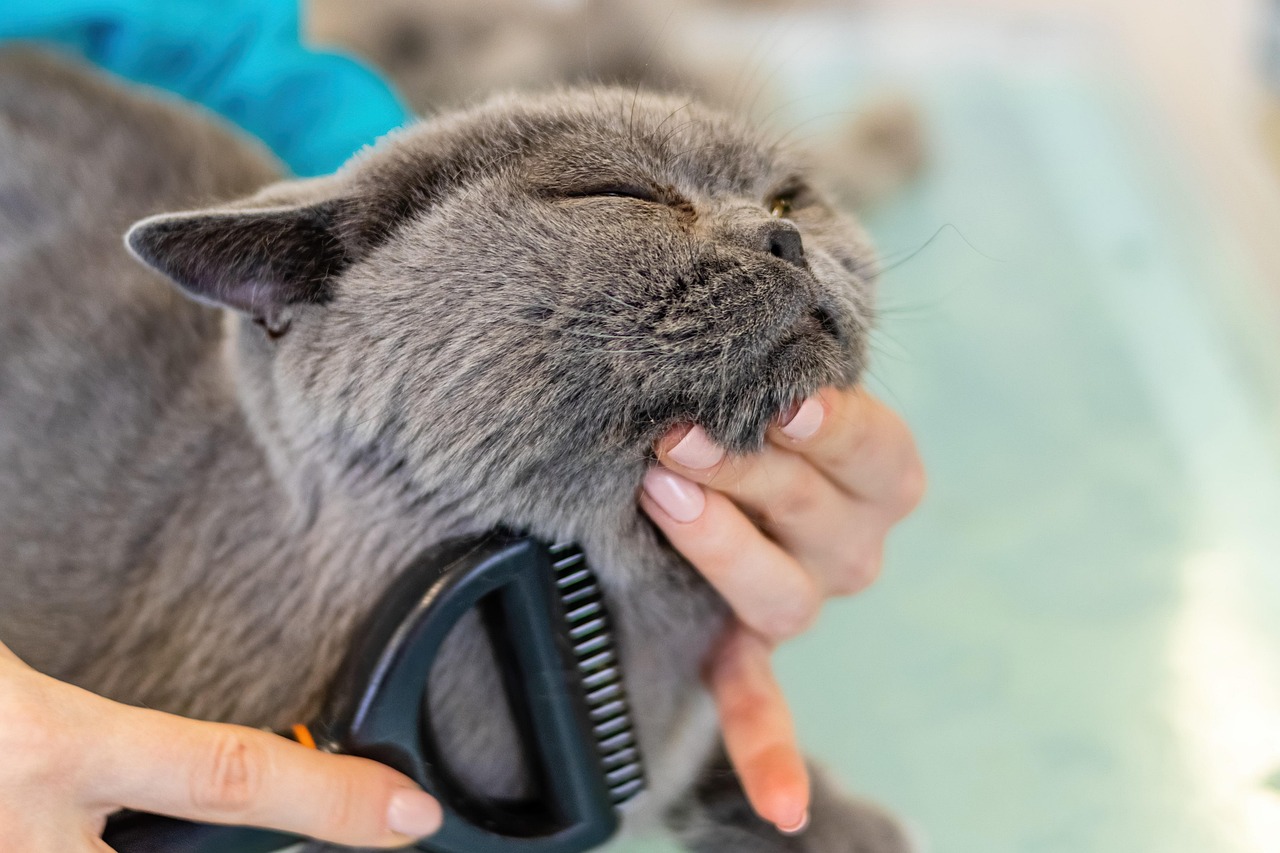
To effectively prevent matting, your choice of grooming tools matters significantly. Selecting the right tools can make the grooming process smoother and more efficient. For long-haired breeds, a slicker brush is essential for reaching deep into the coat and removing tangles. Additionally, a wide-tooth comb can help de-shed and detangle fur without tugging or pulling. For cats with shorter coats, a rubber grooming mitt can be effective and pleasant for the cat. Always ensure that your tools are clean and in good condition to avoid irritating your cat’s skin. Also, consider using a grooming tool that fits comfortably in your hand and is easy to handle. If your cat is anxious about grooming, specialized grooming brushes designed to reduce stress might help significantly. Meanwhile, using a grooming spray can also facilitate the process by adding slip and moisture to the hair. If necessary, enlist a professional groomer for help, especially if you feel overwhelmed. Regular maintenance using appropriate tools can lead to a happy cat and a less frustrating grooming experience.
Techniques for Effective Grooming
When it comes to grooming, technique is just as important as the tools you use. Start by familiarizing your cat with the brushing process incrementally. Allow them to sniff the brushes and let them see the tools before you begin. Once they’re accustomed, start grooming in small, gentle strokes, working against the direction of hair growth. This technique helps lift the tangles and allows you to handle the coat more easily. Be particularly careful around sensitive areas, such as the stomach or tail, and always observe your cat’s comfort level. If your cat shows signs of discomfort, take a break and give them a moment to relax. Use treats as positive reinforcement to make the grooming process enjoyable for them, and never rush through sessions. Gradually increase the duration of each grooming session as they become more accustomed to it. Remember to work on one area at a time, and stop if your cat appears stressed or agitated. Scrutinizing the grooming process helps you catch and resolve any tangles or mats before they become severe.
Although grooming can be a collaborative effort between owner and cat, some cases may need extra support. In severe instances, matting can be so extensive that owners may consider seeking a professional groomer’s assistance. A professional can expertly and safely untangle the hair, and is likely equipped with tools designed for such situations. Moreover, they have experience with cats that might not feel comfortable during grooming. If you do choose to take your cat to a groomer, ensure they are familiar with your cat’s behavior and grooming needs. Ask for recommendations and check reviews for professionals specialized in feline grooming. Sometimes, groomers may also recommend specific products to help manage your cat’s coat at home. Additionally, health care professionals can provide strategies for preventing future mats or tangles. Whether you delegate grooming tasks or perform them yourself, finding the best approach tailored to your cat ensures long-term success. Overall, regular and professional grooming fosters a happier and healthier life for your furry friend.
Seasonal Considerations for Grooming
The need for grooming may vary throughout the year, and it’s essential to adjust your routine according to the seasons. For example, during shedding seasons like spring and fall, cats tend to lose more hair, which can contribute to matting. This is the ideal time to increase the frequency of grooming sessions. Be attentive to your cat’s coat and adjust accordingly – a longer brushing session may be necessary during heavy shedding periods. Additionally, changes in climate can affect your cat’s fur health; hot summer months may lead to excessive matting due to sweat and dirt, while winter can make hair dry and brittle. During colder months, cats require regular grooming to maintain their softness and prevent matting caused by layer accumulation. You may also consider using moisturizing shampoos to enhance coat health during these times. Seasonal grooming not only aids in managing coats but also creates ample opportunities for bonding with your pet. Tailoring your grooming habits to seasonal changes also promotes better hygiene and comfort for your feline friend.
Finally, preventive care is essential for ensuring your cat’s fur remains free from mats and tangles. Incorporate nutritional factors into their diet, as a well-balanced diet can improve overall skin and coat health. Foods rich in omega fatty acids promote a shiny, healthy coat that is less prone to tangling. Additionally, provide plenty of fresh water to keep your cat hydrated. Hydration is profoundly influencing skin elasticity and overall coat condition. Regular veterinary check-ups can also preemptively identify any underlying health issues that might contribute to matting. Always maintain a consistent grooming schedule and be vigilant about your cat’s habits, as they can provide clues to their overall health. Collaboration with your vet on dietary, lifestyle, and grooming practices can lead to improvements in your cat’s fur quality. By prioritizing these aspects, you can ensure that your grooming efforts are successful, thereby preventing future matting and tangles. Ultimately, the goal is to keep your furry friend happy, healthy, and comfortable in their own skin.
Conclusion: The Path to a Healthy Coat
In conclusion, preventing matting in your cat is an enjoyable journey that fosters a healthy relationship between you and your pet. Understanding the necessity of grooming and developing effective techniques are fundamental to achieving this goal. Remember to invest in the right tools, assess seasonal necessities, and maintain a regular grooming routine. Healthful grooming not only helps keep your cat’s coat shiny and clean but also mitigates potential health risks associated with neglected fur. The importance of loving and positive interactions during grooming can’t be overstated; allow your cat to develop trust in the process. During grooming sessions, look out for potential skin issues and always consult your vet regarding nutrition and care. Ultimately, combining preventive measures with consistent effort will lead to a matte-free, healthy coat. You should also explore various grooming options, whether through DIY methods or professional assistance, to meet your cat’s unique needs. So, embrace the time spent grooming your cat and recognize it as an investment in their health and happiness overall. Your feline friend will thank you with purrs and cuddles.