
Bathing Your Kitten: When and How to Do It Safely
Grooming your kitten, particularly bathing them, is essential for maintaining their overall health and well-being. It’s important to understand when to bathe your kitten. Kittens usually do not need frequent baths, as they are quite good at grooming themselves naturally. However, if they become particularly dirty or get into something that may pose a health risk, a bath might be necessary. Always monitor your kitten’s coat and skin condition; if you notice excessive dirt or odors, consider a bath. Ensure you have everything ready before starting the process for a smooth experience. Use a gentle pet shampoo specifically designed for kittens, as their skin can be sensitive. Bathe only when necessary, ideally when your kitten is at least eight weeks old. In some cases, senior or ill kittens may require more frequent cleaning, so consider their individual needs. Additionally, it is helpful to have warm water, a non-slip mat, and towels on hand. This preparedness will keep your kitten relaxed and ensure they feel safe during their bath. Always reward your kitten with praise or treats to associate positive experiences with grooming.
Once you have confirmed that your kitten is ready for a bath, it’s crucial to gather all necessary supplies before you begin. Have your kitten shampoo, a soft cloth, a cup for rinsing, and towels ready to go. Additionally, have a non-slip mat in the sink or tub to help your kitten stay upright. Before placing your kitten in the bath, allow your pet to explore the bathing area and familiarize themselves with their surroundings to reduce anxiety. Fill the sink or tub with just a few inches of lukewarm water, as excessive water can scare your kitten. Gently introduce your kitten into the water, ensuring to support their body for safety. Some kittens may resist or panic during their first bath, so remain calm and speak softly to reassure them. Throughout the process, avoid getting water directly in their ears or eyes, as this can be uncomfortable. After applying shampoo and lathering, rinse thoroughly, ensuring all soap is removed. This careful technique will help maintain their skin’s health and prevent irritation. Make the experience comforting and fun wherever possible.
Post-Bath Drying and Comforting
After bathing your kitten, proper drying is essential to keep them comfortable and healthy. Gently lift your wet kitten from the bath and place them on a warm towel. Avoid using hot air from a blowdryer, as it can be too startling and potentially harm their sensitive skin. Instead, use a soft towel to dry your kitten thoroughly. Pay extra attention to their paws, ears, and face, drying those areas completely. Some kittens may feel cold after a bath, so it’s crucial to ensure they do not become chilled. If your kitten enjoys it, you can wrap them snugly in the towel to retain warmth. Offer a warm environment post-bath, allowing your kitten to cozy up next to you or on a warm blanket. Monitor their behavior, reassuring them with soft voices and gentle strokes. After drying, your kitten may enjoy exploring, so make sure you provide a safe area. Encourage playtime or relaxation with toys to redirect any lingering anxiety from the bath. This integrated approach helps foster a loving relationship and positive association with grooming.
Bathing has many benefits for kittens, but it’s essential to understand potential challenges as well. Kittens, like humans, can have unique personalities; some may embrace water, while others may be fearful. It’s important to keep your kitten’s temperament in mind when bathing. If your kitten has never been bathed before or seems anxious, consider introducing them gradually to water with a moist cloth or sponge instead. This will allow them to adjust to the sensation without fully immersing them. Always take the time to observe their reactions and respect their limits. Patience during grooming will pay off in a cooperative and trusting relationship. For those particularly resistant to baths, professional grooming services may be worth considering. Additionally, regular brushing can minimize the need for baths while keeping their coat clean. Understanding your kitten’s grooming needs will help you make informed decisions about their care routine. Being attentive to their preferences will turn grooming into a rewarding experience for both you and your kitten.
Choosing the Right Grooming Tools
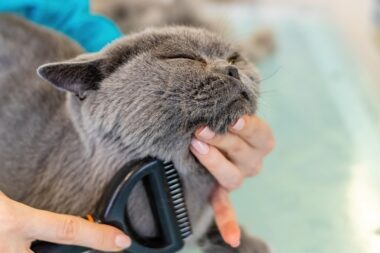
The right tools can play a crucial role in the grooming process, ensuring both your comfort and your kitten’s. Always choose shampoo specifically designed for kittens, as their skin is sensitive. Look for hypoallergenic options that are also mild and tear-free. Additionally, having a quality brush is essential. Different breeds and coat types require various brushes. For long-haired kittens, look for a wide-toothed comb or a slicker brush to detangle their coat. Short-haired kittens may benefit from a rubber grooming mitt that easily removes loose hair without irritating their skin. Before bathing, brush your kitten to remove mats and loose fur, helping to ensure a smooth bathing process. Cat owners should also consider investing in grooming gloves. They perform double duty as both a grooming tool and a bonding experience between you and your kitten. With the right tools, you can remove hair and debris, while fostering trust. Make sure to clean all grooming tools regularly to maintain hygiene and prolong their lifespan. This thoughtful preparation lays the foundation for effective grooming sessions.
Consistency is key when it comes to grooming your kitten. Establishing a regular bath schedule based on your kitten’s individual needs will help them adapt to the process without fear. For some, bathing once every month might suffice, while others may need additional baths. However, avoid overscheduled grooming sessions; prefer quality over quantity. Young kittens do not need extensive grooming, as they can easily be overwhelmed. As your kitten matures, you may find their grooming routine naturally evolves. Be attentive to their ongoing comfort levels, adjusting as necessary. Furthermore, incorporating fun activities during or after baths—like play sessions or treats—can help them associate bathing with pleasant experiences. Maintaining patience and a gentle touch during grooming will help establish trust and confidence. Moreover, if you find your kitten sneezing, itching, or behaving unusually after grooming, consult your veterinarian to rule out allergies. A professional vet can suggest suitable products and practices specific to your kitten’s needs. Regular vet checkups will also ensure your kitten’s skin remains healthy throughout their growth.
Final Thoughts on Kitten Grooming
In conclusion, bathing your kitten is an important part of their grooming routine when conducted safely and effectively. It ensures both cleanliness and hygiene while strengthening your bond. The bathing experience can set the tone for future grooming sessions, highlighting the significance of a positive approach. Each kitten is unique, which is why understanding their preferences and comfort levels is vital. A gradual introduction to baths and consistent grooming practices will reduce anxiety. Always prepare the environment well, and use appropriate products designed for kittens’ delicate skin. Pay attention to their reactions and adjust your tactics to keep them calm and satisfied. Remember that some kittens might require more frequent grooming than others based on their coat and activity level. Building this caring routine will allow your kitten to thrive and help you enjoy a deeper bond. As each grooming session concludes, don’t forget to celebrate with playtime or treats to reinforce positive experiences. With love, patience, and the right techniques, your kitten will grow into a happy, well-groomed adult cat.
In addition to the practical aspects discussed, consider that bonding during grooming strengthens your relationship with your kitten. Each interaction fosters trust and comfort in your home. As you groom, spend quiet moments bonding, allowing your kitten to relax and feel safe. Over time, these moments will create a sense of companionship that transcends ordinary care. Use this opportunity to explore their preferences, whether it’s specific toys or gentle petting styles that they appreciate most. Paying attention to your kitten’s personality is essential. Ultimately, grooming is about more than hygiene; it’s about nurturing your bond and your kitten’s emotional well-being. Always prioritize their comfort and happiness, as this will make grooming an enjoyable experience for both of you. Encourage positive behavior through treats and praise, making the grooming sessions something they look forward to. The gentle connection developed during these times leads to increased trust and affection throughout their lives. Taking the time to understand and care for your kitten will cultivate a loving and caring relationship for years to come.