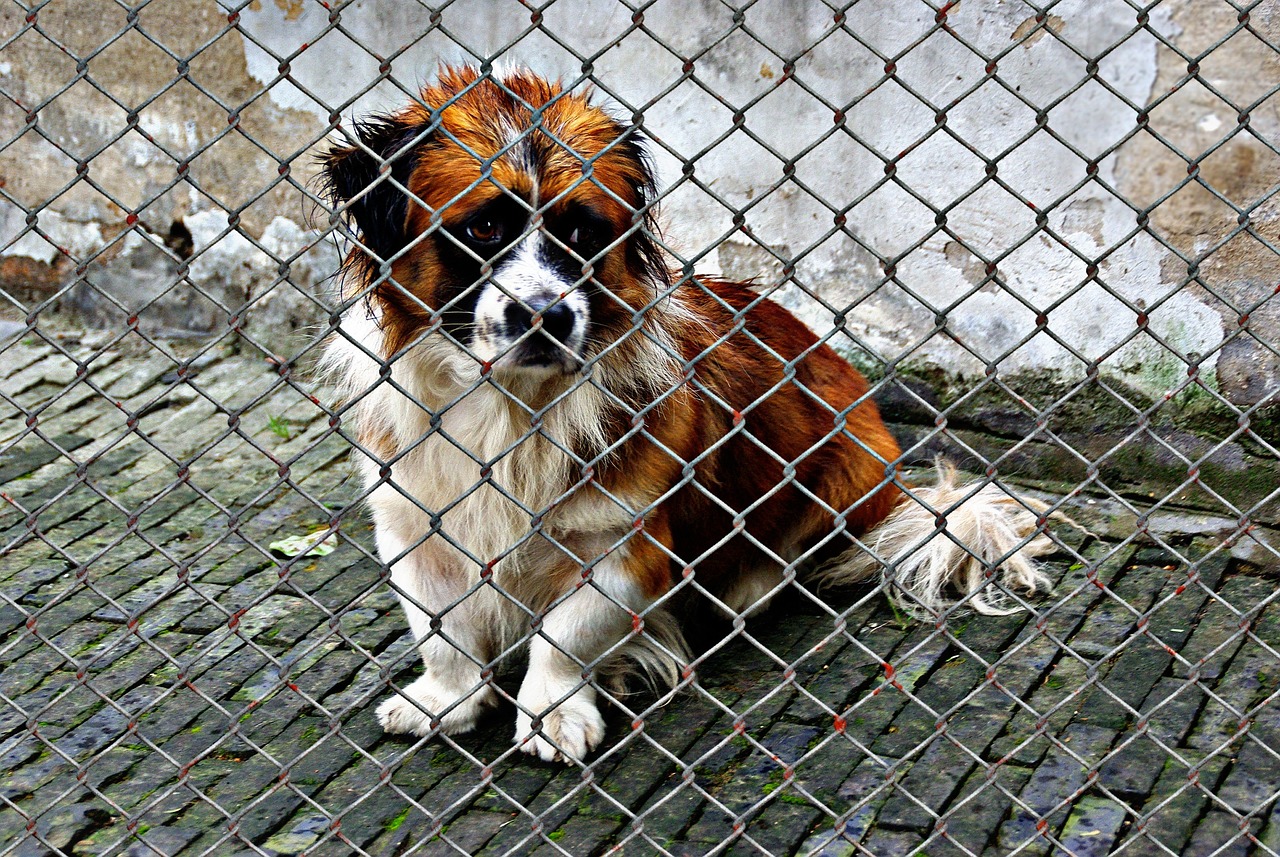

Funding Emergency Preparedness Initiatives in Dog Rescues
Emergency preparedness is essential for dog rescues. Proper funding for these initiatives ensures that animals are cared for during times of crisis. When disasters strike, resources may be limited, but trained staff must respond promptly. Without adequate funding, essential supplies such as food, water, and shelter may not be available. This aspect is even more critical in tornado-prone regions where sudden storms can lead to a surge in rescue calls. Operations must be resilient and equipped to handle unforeseen challenges. Additionally, fostering a community that understands the importance of emergency preparation increases the likelihood of receiving financial support from donors. Community-based fundraising events can generate awareness and reinforce the mission of the dog rescue organization. Furthermore, grants and partnerships with local governments and businesses can significantly enhance financial resources. To drive sustainable funding, organizations might also consider establishing an emergency fund specifically designed for disaster scenarios. Engaging the public through social media and providing educational workshops can inform them about the role they can play in supporting emergency preparedness initiatives available for dog rescues.
Training volunteers and staff in emergency response is vital for the effectiveness of any dog rescue organization. Preparedness initiatives must include regular drills and workshops that focus on disaster response strategies. This empowers individuals to act quickly and efficiently during crises, minimizing the panic surrounding a rescue operation. Additionally, collaboration with local emergency services can provide invaluable insights into best practices. These partnerships can enhance a rescue group’s capabilities and foster a more coordinated response during emergencies. Effectively communicating the rescue’s strategies with the public also builds trust and increases community involvement. Transparency about the organization’s needs during disasters encourages stronger community support and potential funding opportunities. Moreover, an informed community can become first responders, helping to locate lost dogs and assist in rescue efforts. Teaching community members basic first aid for animals can further enhance safety during emergencies. Social responsibility in disaster preparedness initiatives is a dual benefit. Not only does it equip rescue organizations to respond effectively, but it also includes community members in the overall effort, creating a cohesive and supportive network. Ultimately, proper training boosts the confidence of staff and volunteers, leading to improved outcomes for animals in need.
The Role of Community Engagement
Building a strong network of community engagement is increasingly crucial for dog rescues. To successfully secure funding for emergency preparedness initiatives, local dog rescues must actively involve residents in their volunteer work. Outreach programs that involve school children, residents, and local businesses can demonstrate the importance of animal welfare during disasters. Such programs may include educational workshops, awareness campaigns, and fundraising events that engage community members. For instance, hosting dog training classes or pet fairs increases visibility, while also showing the community the needs of the rescue. Additionally, involving local veterinarians in workshops can lead to insights about animal care during emergencies, which bolsters the credibility of the organization. Positive stories shared within the community can inspire action and exhibit the need for preparedness measures. By creating an organic connection between the organization and the public, it fosters a sense of ownership regarding the welfare of animals. This organic engagement naturally leads to increased donations and volunteer support. Ultimately, the commitment of community members directly influences an organization’s ability to constantly maintain readiness for emergencies facing dog rescues.
Partnerships with other organizations are essential to maximizing resources for emergency preparedness in dog rescues. Collaboration can provide new funding streams and access to shared knowledge and expertise in disaster response. By forming coalitions with other rescue groups, shelters, and even national organizations like the ASPCA, local dog rescues can amplify their efforts. Joint ventures for receiving grants or specialized training on preparedness initiatives result in greater outcomes. Furthermore, sharing resources—such as evacuation locations or temporary housing solutions—enables each participating organization to operate more efficiently. Information sharing through workshops with larger organizations helps smaller, local rescues to learn about strategic disaster planning. This collaborative effort strengthens relationships and builds a united front that advocates for all animals at risk. By networking and connecting with others in the rescue field, organizations become part of a larger support system. It also creates opportunities for joint fundraising events, expanding reach and awareness. Holding community events that showcase partnerships encourages local businesses to contribute financially or with supplies. Collaboration reaps tremendous benefits and needs to be a priority for organizations focusing on emergency preparedness initiatives for dog rescues.
Utilizing Social Media for Awareness
Social media plays a pivotal role in promoting emergency preparedness initiatives for dog rescues. Utilizing platforms like Facebook, Instagram, and Twitter enhances visibility and can engage a much broader audience. Posts that highlight emergency plans, fundraisers, and volunteer opportunities can attract donations and vital support from across the community. Visual content, such as videos demonstrating preparedness training or photos during rescue operations, can evoke empathy and increase shares, spreading the message further. Many organizations have experienced a surge in followers and engagement through creative campaigns. Hashtags related to adopting emergency preparedness can encourage community participation and attract attention to pre-existing initiatives. Collaborations with local influencers can lead to increased exposure and inspire followers to contribute. Additionally, social media can serve as a countdown or reminder platform for upcoming fundraising events, ensuring community members remain informed. Success stories can also be shared, demonstrating the tangible benefits of community support and preparedness. Engaging narratives about rescued animals during emergencies humanize the cause, compelling followers to invest emotionally. Ultimately, an active online presence enables dog rescues to advocate effectively for their preparedness initiatives and rally support when time is of the essence.
Effective communication in emergencies is essential; thus, establishing a clear communication plan is necessary for dog rescues. This includes having a dedicated team responsible for relaying information to staff, volunteers, and community members. A well-defined communication strategy should consider the potential for power outages and aim to utilize multiple platforms for updates. For example, establishing phone trees and utilizing text messaging services can ensure that crucial information is disseminated even during technological disruptions. Having clear protocols for communicating rescue plans promotes confidence among volunteers and staff, knowing they can rely on timely and accurate instructions. Moreover, fostering open communication with local authorities ensures proper coordination and enhances response readiness. Regular updates and transparency regarding the organization’s status during emergencies will also help manage public expectations and reduce misinformation. Post-emergency, gathering feedback on communication effectiveness can pinpoint areas for improvement. Conducting community surveys following an event can provide insight into how information was received. This feedback can be utilized for ongoing training and prepared for future emergencies. An organization’s ability to adapt to changing circumstances through effective communication is vital for its overall success during crises faced by dog rescues.
Grants and Fundraising Opportunities
Securing grants and identifying fundraising opportunities are critical steps for dog rescues focused on emergency preparedness initiatives. Various organizations and foundations prioritize animal welfare, providing grants specifically for disaster response training and resources. Researching available opportunities can help local rescues develop proposals that align their goals with funders’ priorities. Writing compelling grant applications can increase the likelihood of obtaining financial assistance. Local businesses can also play a supportive role by sponsoring community events or organizing matching fund campaigns. Engaging the community in various fundraising activities such as dog walks or adoption fairs creates opportunities for small donations that add up. Transparency about how funds will be utilized for preparedness initiatives strengthens trust and encourages community members to contribute generously. Creating a dedicated funding campaign focused on emergency preparedness can motivate individuals to share your mission. Ensuring that supporters feel invested in the organization fosters a broader network of engagement. Crowdfunding platforms provide an avenue for reaching a wider audience, allowing supporters to share the campaign across their social networks. Ultimately, the ability to acquire necessary funding through grants and community engagement is integral to enhancing emergency preparedness initiatives in dog rescues.
In conclusion, the importance of funding emergency preparedness initiatives cannot be overstated; it is essential for dog rescues to be ready for any situation. Community engagement, proper training, collaboration with other organizations, effective communication, and grant acquisition are key strategies to consider. Each of these components work together to create a comprehensive plan that benefits not only the rescue organization but also the animals in its care. By promoting awareness and outreach efforts, rescuers can mobilize support, ensuring that they are prepared for anything that comes their way. Through their efforts, these organizations will not only save the lives of many dogs but also serve as a vital component of their communities. Strengthening the bond between rescues and their communities is the key to fostering a supportive network, ultimately leading to successful emergency responses. Animal welfare is a shared responsibility, and by involving citizens in preparedness initiatives, organizations can cultivate a culture of care and compassion towards animals. As they continue to explore ways to encourage funding and support, dog rescues will be better equipped to handle the challenges that arise amidst emergencies, ensuring a safer environment for both animals and people alike.