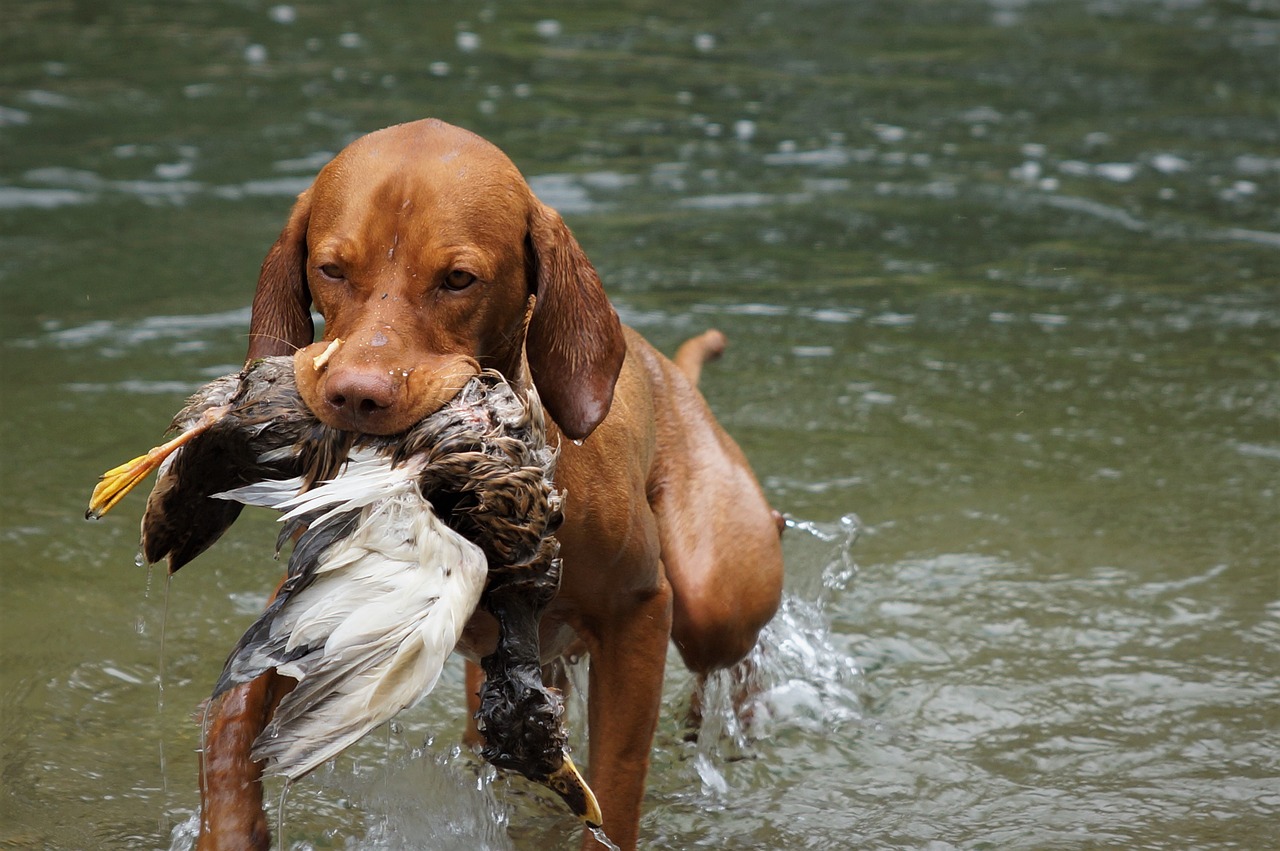

Using Clicker Training as a Positive Reinforcement Method
Clicker training is widely recognized as a highly effective form of positive reinforcement training for dogs. It involves the use of a small handheld device that makes a distinct clicking sound when pressed. This sound signals to the dog that it has performed a desired behavior correctly, creating a clear link between the action and the reward. Positive reinforcement training encourages dogs to repeat desirable behaviors by associating them with pleasurable outcomes, such as treats, praise, or playtime. The clicker serves as a bridge between the behavior and the reward, making the process precise and easy for both the trainer and the dog. Training sessions should be kept short and engaging to maintain the dog’s focus, ideally lasting no longer than 5 to 10 minutes at a time. By using this method, trainers can help dogs learn new commands, tricks, and even modify problematic behaviors. Clicker training fosters better communication between the dog and its owner, leading to a more trusting and harmonious relationship. This article will discuss the benefits, techniques, and tips for effective clicker training.
The Basics of Clicker Training
The fundamental premise of clicker training rests on the principles of operant conditioning. This approach involves reinforcing specific behaviors that are desirable while ignoring those that are not. The click sound acts as a marker that indicates correct behavior, followed by a tangible reward. To initiate the process, trainers can start by teaching their dog to associate the click sound with positive experiences. This may include providing a treat immediately after the click. Over time, the dog learns to expect a reward following the sound. Consistency is key in clicker training; every time the dog performs the desired behavior, the click and subsequent reward must occur. Repetition and patience are essential components of successful training sessions. It may take time for a dog to fully grasp the concept, so it is crucial to stay positive and encourage progress. Clicker training can be tailored for various behaviors, whether teaching a simple command like “sit” or solving complex issues, such as excessive barking or jumping. Engaging the dog throughout this process is vital for successful outcomes.
One of the significant advantages of clicker training is the speed at which dogs learn new behaviors. Unlike traditional methods that rely on physical punishment or verbal reprimands, clicker training fosters a positive association with learning. This constructive approach increases motivation and willingness to participate in training sessions. Dogs that are engaged and excited tend to retain what they have learned more effectively. Additionally, the precision of the click mark helps in breaking down complex commands into manageable steps. For example, if teaching a dog to roll over, the trainer can click for each incremental position the dog achieves. This segmentation not only clarifies expectations for the dog but also builds confidence as it masters each step. Furthermore, clicker training enhances the bond between the dog and owner as they work collaboratively towards goals. This strengthened relationship reduces behavioral issues and creates a more enjoyable living environment. Owners may find that their dogs become more obedient and responsive, resulting in a rewarding training experience for everyone involved.
Tips for Successful Clicker Training
When engaging in clicker training, it is crucial to utilize a high-value reward suitable for the dog’s preferences. This could be a small piece of chicken or a favorite toy, something that motivates them effectively. During the training process, the timing of the click is essential. The click should occur immediately as the desired behavior is demonstrated to create a direct association. Delayed clicks can confuse the dog, diminishing the training’s effectiveness. Moreover, always ensure that training sessions are kept upbeat and cheerful. A positive tone encourages the dog to remain eager and engaged. Avoid using the clicker for punishment; it should only highlight correct behaviors. Also, minimize distractions in the area where training occurs, thereby improving focus. Gradually increase the difficulty of the tasks as the dog becomes more proficient. This method, known as shaping, allows for growth while maintaining motivation. Positive reinforcement should be combined with verbal praise to further enhance the training experience. The goal is for both the dog and owner to enjoy learning together, forming a lasting bond through engaging and interactive sessions.
Tracking progress during clicker training can be beneficial for reinforcing learning and gauging effectiveness. Keep a log of each session noting successes and challenges encountered, which may help in adjusting strategies accordingly. Observing how your dog responds can reveal areas that need additional focus or alternative techniques. Regular reflection enables the owner to pinpoint which methods are most effective for their specific dog and facilitates improvements in training sessions. Another important aspect is the dog’s emotional state during training — if it seems stressed or overwhelmed, it may be necessary to take a step back. Patience and understanding are vital during the learning process, as forcing a dog can lead to negative associations. Always celebrate milestones, no matter how small, as this encouragement motivates the dog to keep learning and trying. Engaging family members in the training process can also create consistency in commands and expectations. Establishing clear rules and communication among every participant ensures better outcomes. Over time, you may discover the unique quirks of your dog’s personality that make training even more enjoyable.
Addressing Common Challenges
Despite its many benefits, clicker training can come with its challenges. Some dogs may initially resist the process or exhibit confusion about what is expected of them. If your dog seems disinterested in the clicker or rewards, evaluate the value of the treats being offered. Experimenting with different rewards can often spark more enthusiasm. Additionally, some dogs may get too excited, making it difficult for them to focus. In such instances, it’s helpful to start with simpler commands to rebuild focus and confidence. Working in a more controlled environment may also assist. In cases of stubborn behaviors, persistent encouragement paired with practice can yield remarkable results. Consistency from all family members is paramount in ensuring training remains effective. Once a behavioral change is achieved, continue reinforcing the good behavior to prevent regression. Taking breaks is also essential in keeping both the dog and the trainer refreshed. Be attuned to when your dog shows signs of fatigue or frustration; appreciating moments of success is key to building a positive learning environment.
Clicker training can be an exhilarating journey for both dogs and their owners. This method strengthens relationships and deepens understanding of one another. By fostering a positive reinforcement atmosphere, dogs become more eager to learn and behave appropriately. Whether you are starting with a puppy or teaching an older dog new tricks, clicker training can significantly impact behavior and obedience levels. As they learn more, handlers often notice improvements in their dogs’ overall demeanor, leading to happier, more well-adjusted pets. We encourage dog owners to remain enthusiastic, patient, and flexible throughout the learning experience. Engaging in regular training sessions not only allows dogs to master their skills but promotes a lifestyle of learning that lasts a lifetime. Always remember that every dog learns at its own pace; adjustments may be necessary to suit individual needs. With the right tools, a clicker, and a commitment to positive reinforcement, anyone can harness the power of clicker training. Ultimately, your dog will showcase more desirable behaviors, providing immense satisfaction and joy for both parties involved.