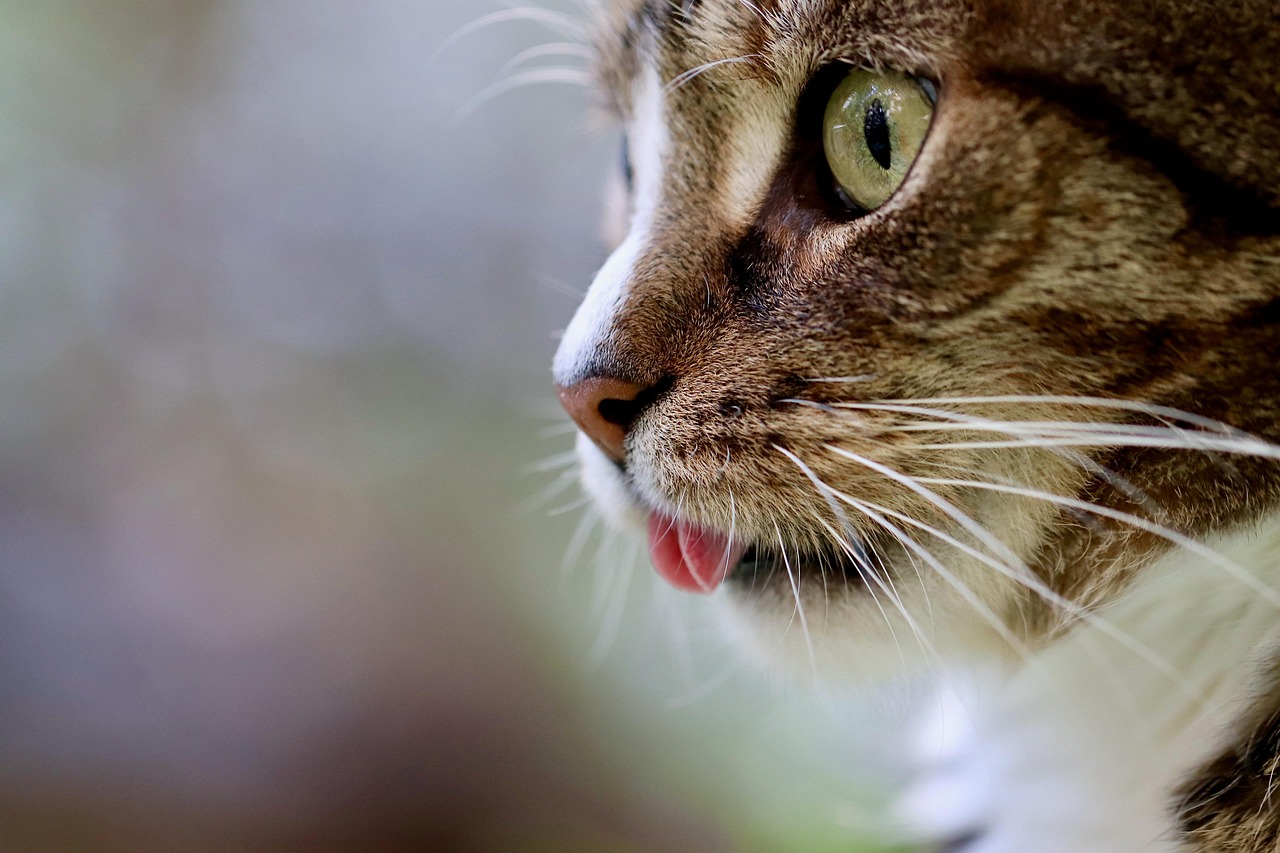

How Mobile Apps Can Help Reduce Cat Anxiety through Training
Cat anxiety can be a significant issue for both cats and their owners. Mobile applications are becoming increasingly popular as a tool to manage this anxiety effectively. By offering games and training programs, these apps can engage cats in healthy ways. With simple interfaces, they enable owners to actively participate in their cats’ training routines. By utilizing engaging visuals and sounds, apps can capture the attention of cats, making training fun. Furthermore, many apps allow for tracking progress over time. It helps cat owners see how their pets are responding to training techniques. This visibility ensures that owners can fine-tune the approach. Some applications incorporate positive reinforcement tactics. These tactics reward the cat for successful tasks or learning behaviors. Consequently, it strengthens the bond between the pet and the owner. Additionally, having set training periods can help to create a routine that reduces anxiety in cats. With regular interaction through a mobile app, cats can feel more secure in their environment. It ultimately contributes to their overall emotional well-being, making anxiety management simpler for everyone involved.
Benefits of Using Mobile Apps for Cat Training
Investing in mobile apps designed for cat training can offer numerous benefits. First, these apps can facilitate consistent training sessions anytime and anywhere. This flexibility allows owners to practice techniques whenever they have a few minutes to spare. Moreover, many apps provide a structured approach to training. Owners can follow guided steps tailored to their cat’s needs and anxiety levels. Because consistency and routine are crucial for reducing anxiety in cats, these features are invaluable. Additionally, several applications include video tutorials and tips, helping owners learn effective techniques. This resource can save time and alleviate frustration during the training process. It also fosters a better understanding of cat behavior. Another key benefit is the social aspect of training. Many apps allow users to connect with other cat owners. By sharing experiences and achievements, owners can motivate each other. This community aspect can offer support and encouragement for those training anxious cats. Overall, using these apps can significantly enhance the training experience, leading to happier, more confident felines.
Mobile apps can create an interactive platform for feline training sessions. This interactivity keeps cats engaged and curious about their learning pathways. Through built-in games and challenges, cats can learn at their own pace while having fun. Creating a playful environment can help reduce anxiety levels in anxious cats. Moreover, owners can use the app to monitor their cats’ physical activity. Understanding what motivates your cat can enable optimal training sessions that align with each pet’s preferences. Combining playtime with learning is essential for fostering a positive experience. For example, an app may have exercises designed to reduce stress during thunderstorms. These exercises often involve music or specific soundscapes that cats find soothing. Regular reinforcement can eventually lead to improved behavior during stressful situations. Owners can use tracking features to record their cat’s responses to various stimuli. The insights gained from the app can lead to personalized strategies tailored to individual cats. Over time, cats may respond better to particularly stressful situations. Hence, the combination of training games, soothing tracks, and other resources in these apps promotes lower anxiety for cats.
Setting Goals and Tracking Progress
Goal setting can be a crucial aspect of using mobile apps for training cats. By establishing clear objectives, owners can make training more focused and effective. Many apps include features that allow owners to set milestones. These milestones can range from basic commands to more complex tasks. As the cat progresses, the app can provide feedback on their performance. This feedback loop helps in recognizing areas that may require additional attention. While navigating through the app’s features, owners often encounter training lists. These lists provide a roadmap for achieving specific goals. Each completed task can empower both the owner and the cat. Additionally, rewards can be integrated into training schedules through app notifications. For instance, an app might remind owners to give their cats treats after successfully completing a training session. This positive reinforcement encourages cats to further engage in training activities. The tracking mechanism of mobile apps ensures that owners remain committed to achieving their goals. Consequently, regular updates on progress can build motivation and dedication toward the training journey as a shared experience.
Another valuable aspect of mobile apps is their ability to tailor training activities to individual needs. Each cat is unique, thus requiring adjustments in strategies to ensure effective training. Many apps provide personality assessments for cats, helping owners choose suitable techniques. The assessments guide owners in selecting games that align with their cats’ interests. Personalizing training activities can yield remarkable improvements in response rates and retention. Cats that feel their unique needs are being acknowledged are more likely to learn. Moreover, such personalization often leads to reduced anxiety as cats feel understood. Various exercises can target specific anxiety triggers, utilizing features like calming sounds or visual aids. This customized approach allows for significant strides in behavior modification. For instance, some cats may benefit from gentle exercises aimed at companionship, fostering closeness with their owners. Training tailored to their needs creates a supportive atmosphere. Additionally, the fun aspect of engaging with apps can alleviate stressors, especially when introduced gradually. Utilizing the mobile app intelligently can enhance the training process. It results in a unique experience that comforts cats during challenging times, making it an excellent method for anxious pets.
Community Support and Shared Experiences
Online communities created through mobile apps can provide invaluable support and shared experiences. Many apps have forums or social media features that encourage interaction. Engaging with other cat owners can alleviate feelings of isolation often indexed with cat training challenges. When owners share success stories or advice, it can offer encouragement to others navigating similar issues. These networks provide a partnership where solutions for anxious cats are cultivated collaboratively. Owners discovering that they are not alone in their struggles can boost their confidence during training. Additionally, sharing tips about specific activities that worked can lead to innovative strategies. These recommendations often evolve into broader learning opportunities for the entire community. Furthermore, social features can include opportunities for events or challenges that encourage daily practice. Celebrating each other’s achievements, no matter how small, can generate positive momentum. Owners may feel excited to show their improvements while helping others. This continuous sharing fosters a community spirit that underpins everyone’s training goals. Such an atmosphere often leads to happy, well-trained, and less anxious cats.
In conclusion, mobile apps have revolutionized cat training by introducing innovative methods to reduce feline anxiety. The interactive nature of these applications engages cats, making the process enjoyable for both cat and owner. With support from these platforms, owners can access tools that track progress and tailor techniques. Ultimately, this culminates in a more educated approach to training. By providing resources for analyzing behavior and personalized training paths, apps facilitate effective strategies. Additionally, the mental stimulation from gameplay reduces anxiety while fostering closeness between cats and their owners. Consistent reinforcement and structured schedules provided by apps can transform anxiety into confidence for many felines. With a blend of entertainment and education, mobile apps offer solutions to age-old pet training challenges. Therefore, using mobile applications as tools for training anxious cats is a highly effective strategy. The importance of addressing feline emotional health cannot be overstated. It opens the door to enhanced quality of life for countless pets. As technology continues to advance, it will surely play an essential role in caring for our beloved companions through innovation.