
The Importance of Smoke Detectors in Cat-Friendly Homes
Cats are beloved family members, and ensuring their safety is paramount, particularly in the event of a fire. Smoke detectors play a crucial role in protecting not just humans but also our feline companions from dangerous situations. Early detection of smoke allows inhabitants to evacuate, minimizing the risk of injury and ensuring that everyone, including pets, gets to safety. An effective smoke detector can save lives, as they can alert inhabitants to smoke even while they sleep. Regular maintenance of smoke detectors is necessary; replacing batteries at least once a year ensures they are functional. Additionally, choosing models designed specifically for homes with pets can further enhance safety. Intelligent detectors might even differentiate between types of smoke, reducing false alarms and ensuring that triggers, such as cooking, don’t lead to panic. Therefore, it’s wise to install smoke detectors in all living areas. Remember to check that the detector is placed high on the ceiling, which is essential as smoke rises. Also, include carbon monoxide detectors close to sleeping areas to provide comprehensive protection against carbon monoxide poisoning.
In addition to traditional smoke detectors, consider other types that may be beneficial. There are interconnected smoke alarms that synchronize, ensuring that when one alarms goes off, all alarms sound. This is vital in larger homes, allowing for quicker evacuation regardless of where the smoke develops. It’s essential to involve the entire family in fire safety conversations, including practicing evacuation routes. This can help prepare both humans and pets, ensuring that cats are accounted for during emergencies. When drafting an emergency plan, designate a meeting place outside where everyone convenes post-evacuation. Additionally, ensure that your cats are easily retrievable. Keeping carriers in accessible locations allows for a quick grab during an emergency. Color-coded collars or tags can aid in identifying your cat in stressful situations, providing reassurance during chaos. Familiarization with the carrier also reduces stress for the cat, making them more amenable to being transported. Training and socializing the cat can help reduce anxiety during evacuations. Accustomed pets behave better in unexpected situations, so take time to prepare all aspects related to their safety in case of a fire.
Choosing the Right Smoke Detectors
Choosing the right smoke detectors is essential for an effective safety strategy. Opt for detectors that utilize both photoelectric and ionization sensors, as they cover a broader spectrum of fire types. Photoelectric alarms are quicker to respond to smoldering fires, while ionization alarms detect flaming fires more swiftly. This dual approach increases overall safety for both cats and humans. Additionally, models with built-in voice alerts provide clear instructions during emergencies, giving pets a better chance to remain calm. Installing smart detectors, which connect to smartphones, enables real-time notifications and monitoring, allowing you to keep track of safety while you’re away from home. Some devices can even announce which room detected smoke, helping you respond more effectively in an emergency. Regularly testing your smoke detectors is just as important as installation to guarantee strong function. Many models provide a simple test feature—a quick press of a button ensures that your system is operational. Accountability towards checking these devices fosters a culture of safety for everyone in the household, cats included. Each of these features contributes significant protection, creating a secure living space for your feline friends.
Moreover, educating yourself on the limitations of smoke detectors can lead to better firefighting strategies. Understand that smoke detectors are not a substitute for fire extinguishers, which are also vital in managing small blazes before they escalate. Investing in fire extinguishers that are easy to operate and located within reach of your cat’s favorite areas can provide peace of mind. Regular training on extinguisher use is encouraged for all household members. Additionally, teaching older children how to use a fire extinguisher prepares them for emergencies. Make sure they know to pull the pin, aim low, squeeze the handle, and sweep side to side to properly extinguish flames. Furthermore, be cautious of flammable materials around your cats, such as paper products and oily rags. Establish a fire-safe zone within your home, free from hazards, significantly reducing fire risks. Take steps to limit where your cats can roam, particularly in areas with potential danger, such as kitchens. Providing a pet-safe environment around stoves, candles, and heaters is essential. Establishing fire prevention practices with foam or fabric softener ensures that your home is prepared for unexpected events.
Creating a Fire Escape Plan
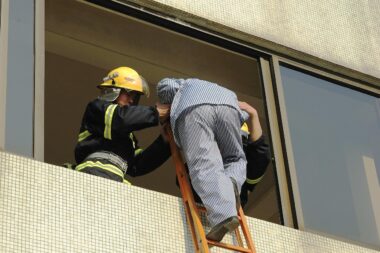
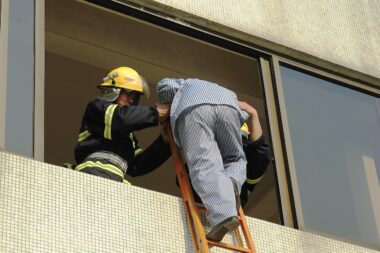
Creating a comprehensive fire escape plan contributes greatly to ensuring the safety of your household, including your pet. Developing this plan involves training everyone in your home and ensuring that they understand their role during a fire event. First, identify all exit routes in your home, ensuring that they remain clear of obstructions. Conduct walkthroughs to familiarize everyone, including your cats, with these escape routes. Practice evacuating regularly, emphasizing the importance of getting out first before attempting to retrieve pets. If you have multiple floors, consider installing escape ladders to quickly exit upper levels. Additionally, ensure that all escape routes have proper lighting. Inform guests of your safety plan so that they can also assist in case of emergencies. Furthermore, allocate a dedicated area for your cats during these drills to familiarize them with being transported in carriers. Reinforce positive associations with carriers before panic ensues. Regularly update your plan based on changes in your home or household dynamics, such as adopting a new cat or moving to a different house. Stay prepared and always prioritize the safety and well-being of all family members when executing your plan.
Monitoring your cat’s behavior can provide essential information regarding their comfort and security levels during fire emergencies. Cats can sense changes in environment and may react differently depending on their temperament. Monitoring their responses can further adapt your strategies for different situations. For instance, cats tend to hide when frightened, so preparing them during emergency drills may encourage familiarity with escape routes. You should introduce them to their carriers well before emergencies arise, ensuring they feel secure inside it. Rewarding your cat with treats when they enter the carrier can create positive associations. Additionally, maintaining a calm demeanor during emergency situations can also help soothe their nerves and lessens fear. Likewise, retaining a dismissal approach toward unexpected loud alarms, despite their distress, showcases confident behavior. Remember to keep a collar with visible ID on them as added safety measures during emergencies. Consider utilizing reflective collars that enhance visibility if your cat becomes lost. Investing additional time in understanding their personalities provides insights into how they might react. Being prepared means being aware of behavioral cues, which can genuinely improve outcomes during emergencies.
Conclusion: The Ultimate Safety for Cats
In conclusion, ensuring the safety of your cats within your home involves multiple strategies, with smoke detectors and fire preparedness being paramount. By investing in reliable and functional smoke detection systems, you significantly improve outcomes in emergencies. Regularly testing and replacing batteries across all detectors enhances functionality, ensuring they consistently perform during critical times. Moreover, understanding how to create an effective fire escape plan guarantees your family and pets react swiftly in emergencies. Partnering fire safety strategies with education fosters a proactive environment where everyone, including your cat, knows the necessary steps to follow. Lastly, the involvement of family members in the planning process ensures a robust understanding of individual responsibilities. Despite the challenging nature of preparing for emergencies, it is vital for fostering comfort within your home. Continuous vigilance regarding fire hazards, as well as investing in ongoing education about managing emergencies, strengthens reliability across households. Therefore, fostering safe environments is an ongoing process that successfully protects your furry family members. Stress the importance of being prepared, as being proactive means embracing the responsibility of keeping pets safe from potential fire-related dangers.
By acknowledging these precautions and implementing them, you grant yourself and your cats a heightened sense of security in your residence. A strong commitment to fire safety creates a wonderful atmosphere for all pets and owners, ensuring that you and your cats can confidently enjoy a safe home. It’s equally essential to revisit safety protocols annually, especially as routines and living situations change over time. This consistent review guarantees that safety procedures remain relevant and effective. Regular meetings to discuss updates among all household members promote accountability and transparency about safety concerns. Collaborate to analyze potential weaknesses and devise necessary strategies to address them. Remember, preparing for emergencies is a bundle of actions that lead to fostering a supportive environment for cats and humans alike. This endeavor not only improves immediate reactions but also instills comfort and routine familiarity. By integrating safety measures into regular discussions, you build robust practices that ultimately strengthen the bond between yourself and your feline companions. Thus, ensuring that your home evolves alongside your preventive safety strategies leads to long-term well-being for both you and your cats.