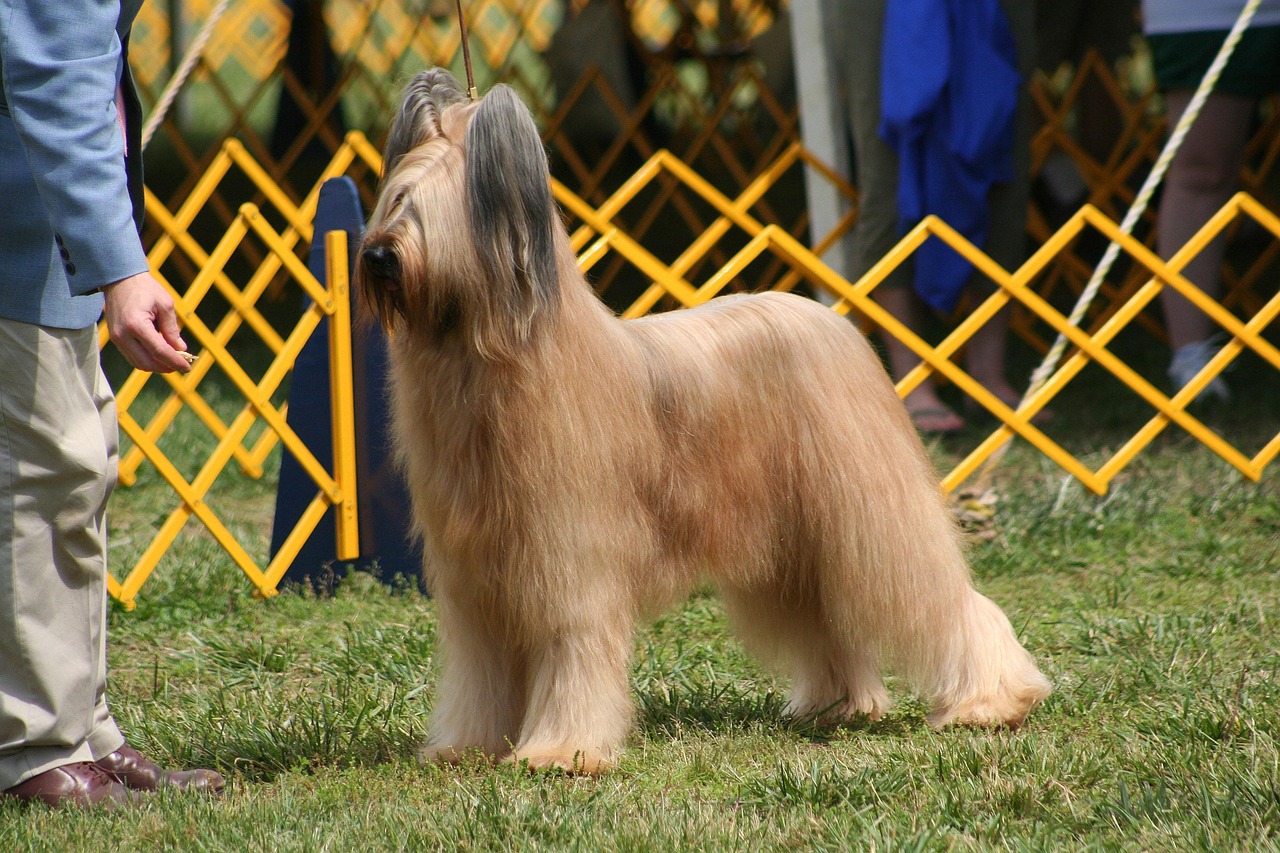

Cultural Differences in Dog Show Travel Around the World
Traveling to dog shows across different cultures offers enthusiasts a unique chance to observe various customs and practices related to canine presentation. Every country has specific standards and traditions that influence how dog shows are organized, judged, and celebrated. For instance, in the United States, dog shows often emphasize conformation and grooming skills, fostering an environment where breeds are showcased for their physical attributes. Conversely, European dog shows may prioritize performance and temperament, delving deeper into the functionality of different breeds. In Japan, dog shows exhibit a blend of traditional aesthetics with modern training techniques, showing how culture intertwines with canines. An essential aspect of attending a dog show internationally is understanding these cultural nuances. Attendees can learn about local breeds, grooming standards, and competitive events. Many dog lovers travel to meet others who share their passion, exchange training techniques, and sometimes even experience local cuisine. Each event may feature unique activities, from breed parades to specialty competitions, giving travelers a rich tapestry of dog-related traditions worth exploring.
Prepping for International Dog Shows
Before embarking on an international dog show journey, it is crucial to prepare adequately. Each country’s regulations regarding dog imports, health certificates, and vaccinations may vary significantly. Research should begin well in advance to ensure that the dog meets all health requirements necessary for entry. Many nations have stringent policies governing the types of imported breeds, often restricting certain ones considered aggressive or prone to health issues. Additionally, familiarize yourself with the dog show rules of the hosting country, including how judges evaluate breeds. Knowing competition standards can give travelers an advantage in preparation and presentation. It’s also advisable to consider local transportation options when traveling with a dog, as accommodations can differ from one location to another. Many countries offer pet-friendly hotels, while others may have restrictions. Networking with locals through online forums or breed clubs can provide insight into navigating show environments. Cultivating friendships within those communities can enhance the travel experience and promote cultural exchange while at the event, leading to lasting bonds with fellow dog enthusiasts.
Traveling to different continents exposes dog show participants to a variety of judging styles and philosophies. In countries like the United Kingdom, dog shows showcase the importance of historical breed standards, deriving evaluations from a long lineage of traditions. Judges often require extensive knowledge about each breed’s history, including characteristics specific to that breed’s type. Conversely, in more relaxed competitions in regions like South America, the approach to judging can be more subjective. Cultural aspects influence how judges interpret the standards, leading to unique criteria across the landscape. This variance is particularly evident in the assessment of movement and presentation during shows, where different cultures may emphasize different aspects of performance. Social etiquette surrounding competition is equally important, with practices such as greeting judges, respecting fellow competitors, and understanding cultural norms enhancing the experience. Engaging actively in local traditions can also provide deeper insights and allow dog owners to communicate more effectively. Mastering these subtleties can transform the competition into an enriching experience that contributes to the joy of being part of the international dog show community.
The Role of Local Breeds and Heritage
While attending international dog shows, the charm of local dog breeds and their history adds dimension to the experience. Many countries proudly feature their indigenous breeds, often showcasing the significant cultural heritage associated with them. For instance, the Basenji is noted for being the national dog of the Congo, embodying the spirit of local hunters. These breeds often represent unique adaptation and history, serving specific functions within their communities. Engaging with local breeders and enthusiasts can lead to fascinating stories about each breed’s characteristics and their original purposes. Additionally, participating in breed-specific events at dog shows can provide insight into training techniques and handling unique to those breeds. International shows commonly feature cultural presentations surrounding these local breeds, including traditional clothing, music, and storytelling. Understanding this context helps dog show enthusiasts appreciate the depth of these breeds beyond conformation points. Thus, gaining knowledge about and interacting with local breeds fosters respect and understanding while promoting positive cross-cultural exchanges among dog lovers from around the world.
A critical element of dog show travel is the cuisine and hospitality associated with each location. Every destination offers its own culinary delights, famously influencing the overall experience for attendees. As dog lovers share the stage with local culture, sampling traditional dishes becomes an adventure. From American-style barbecue during the summer shows to French artisan cheeses at dog events, the cultural cuisine enhances both social interactions and bonding among participants. Each culinary experience can introduce attendees to diverse ways people come together, building friendships through shared tastes and flavors. Food often symbolizes hospitality, inviting visitors to engage with locals spiritually and socially. Moreover, organizing group dinners or attending food festivals during a dog show’s calendar can create memorable experiences. Participating in these communal meals can also open doors for discussions about canines and training strategies, deepening each attendee’s understanding. To document the culinary experiences, enthusiasts might create blogs or social media posts, sharing insights about the food’s cultural significance. Culinary adventures at dog shows thus become vital dimensions, transforming them into well-rounded events.
Cultural Etiquette: Do’s and Don’ts
Understanding cultural etiquette is essential when traveling to international dog shows. Different nations present unique customs that can significantly impact how participants and spectators interact. For example, in certain cultures, direct eye contact may be considered impolite, whereas, in others, it may demonstrate confidence or respect. Greeting methods can also vary; some countries emphasize a firm handshake, while others prefer a polite bow or gesture rather than physical touch. Dress codes may differ widely, ranging from formal wear common in European shows to more casual attire in casual settings like Australia. Understanding the importance of respecting local customs is key to forging connections with fellow attendees and locals alike. Proper food etiquette, like waiting for the host to begin a meal, can also influence interpersonal relationships. Being aware of these subtleties can reduce cultural misunderstandings and make interactions more meaningful. In addition, approaching judges and fellow competitors with politeness showcases respect for the cultural context. A willingness to learn and adapt to local customs enriches the experience and demonstrates positive cultural exchange between dog lovers.
The experience of participating in dog shows around the world can foster lifelong connections that transcend borders. This unique community of dog enthusiasts brings together individuals with common passions for canines. Sharing knowledge about training, grooming, health care, and local customs fosters positive relationships. Networking at these events often leads to friendships that can last beyond the dog show circuits, creating valuable connections in various countries. Many enthusiasts create global friendships simply through their presence at dog shows, bouncing ideas and sharing resources regardless of distance. Stories shared and exchanging ideas about dog care build a sense of camaraderie that enriches the dog show experience. Social media platforms frequently provide avenues for continued interaction, where dog owners showcase their beloved pets and celebrate achievements. Participating in international dog shows ultimately aids in promoting breed welfare and responsible ownership practices as connections lead to shared goals. Enthusiasts can advocate for dogs and general welfare alongside their friends worldwide. The overall message revolves around unity through the love of dogs, fostering a global community dedicated to well-being and respect for the incredible species that bring us together.
Dog shows provide wonderful opportunities for discussing cultural lessons learned through travel, networking, and fostering meaningful relationships. Ultimately, every journey to these events enriches understanding of cultural differences, cultural heritage, and shared passions. The act of traveling for dog shows is not just a competition but a journey of personal growth, allowing participants to navigate diverse environments while continuing to strengthen their love for canines. Each dog show encountered becomes a memorable experience that further opens one’s perspective on dog care and appreciation of various breeds. Traveling around the globe showcases how communities come together, united by their love for dogs while embracing distinct cultural elements. Understanding the world’s dog culture through travel becomes an integral aspect of being part of this expansive dog-loving community, where every interaction holds the promise of a new insight gained. In conclusion, embarking on dog show travels cultivates rich experiences that go well beyond mere participation; it contributes meaningfully to the larger community’s collective growth, understanding, and appreciation for dogs worldwide.