
Understanding Ethical Photography Practices with Cats
Cat photography can be a delightful yet challenging endeavor. When pets are involved, it’s essential to understand the ethical considerations that arise. Firstly, one must recognize the emotional and physical well-being of the cat being photographed. This includes ensuring that the environment is comfortable and evoke minimal stress. Use positive reinforcement methods, like treats or toys, to encourage the cat’s best behavior. Transparency with the cat owner regarding how images will be used is another crucial part of ethical photography. Make sure they grant permission to capture and share their pet’s likeness. Include specific uses, like online sharing or printed materials, in the agreement to enhance trust. Moreover, it’s vital to be aware of the composition and the location when photographing. Choose locations that are safe and familiar to your furry subject to minimize anxiety and distraction. An ethical photographer respects the cat’s space while capturing candid moments. Prioritize their comfort above all decisions, as this leads to better images that are natural and true to the cat’s personality. With these considerations in mind, cat photography can be enjoyed responsibly and pleasingly for everyone involved.
In addition to understanding the well-being aspects, ethical photography also comprises a respect for the surroundings and community. Consider involving natural elements within the cat’s environment, such as plants or toys they love. This adds authenticity to your images and respects the context of the cat’s lifestyle. When photographing outside, be mindful of any potential hazards your feline friend may encounter, such as loud noises or aggressive animals. Preparation is key; always have a plan for how to keep the cat safe while capturing stunning images. Additionally, familiarize yourself with the photography rights in your area, especially when photographing in public spaces. Understand the limitations of photographing pets in shared areas to avoid conflicts. Furthermore, if your photography work gets published, you must credit any spaces featured when necessary. Including all these details in your workflow ensures a comprehensive approach to ethical practices. Make effort to educate yourself continually about the responsibilities involved in animal photography. This dedication not just enhances your craft, but also contributes to the broader conversation surrounding responsible photography and animal rights in our society.
The Importance of Consent in Photography
Consent in cat photography cannot be overstated. It’s essential to express accountability to both the pet owner and the cat during a photo shoot. Always obtain explicit consent from the owner whenever you’re capturing images for any purpose. This includes personal portfolios, social media posts, or commercial projects. Explain how their cat’s images will be used, and ensure they feel comfortable with the decisions made regarding their beloved pet. This consent promotes a trusting relationship and showcases respect towards both the humans and animals involved. Moreover, it influences our perception of animals in media. Responsible sharing of images can lead to broader acceptance of ethical photography practices. Users on social media should contribute to the conversation surrounding pet photography ethics. Sharing stories about ethical considerations may encourage others to prioritize the wellbeing of cats during photo shoots. As photographers, we ought to use our platforms for good. Encouraging other pet owners and photographers to be aware of ethical implications can foster a community that values the welfare of animals in their work.
Moreover, managing the interaction between the photographer and the cat is vital for successful execution. Before initiating the photoshoot, build rapport with the feline subject. Create a calm atmosphere through familiar scents, soft music, and positive acknowledgment. By ensuring a relaxed setting, cats showcase more natural behaviors that reflect their personality. This directly enhances the overall quality of your photographs. Sometimes, it’s necessary to allow the cat to explore the creative space before commencing the actual session. This familiarization can help reduce anxiety and promote a stress-free environment. Be patient and attentive to their mood; if a cat shows signs of discomfort, never hesitate to pause or readjust your approach. It’s essential to accept that not all cats are natural models and some may require additional time to adapt. Understanding this promotes an environment in which the cat’s welfare is the top priority. Consequently, exceptional and genuine photographs are more likely to emerge from sessions where the cat feels safe and respected.
Capturing Genuine Moments
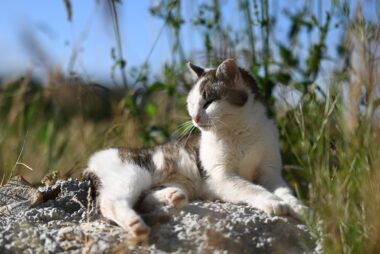
One of the most rewarding aspects of cat photography is the ability to capture genuine moments. These are the instances that truly reflect the cat’s character, allowing viewers to connect emotionally with the image. To achieve this, it’s crucial to minimize the presence of distractions. Keep the setting quiet and focused, guiding the scene toward the subject while avoiding any interruptions. Having a good understanding of the cat’s habits makes it easier to anticipate these genuine moments. Whether it’s their playful antics, cuddly behavior, or quiet observation, capturing true emotions results in stunning photographs. Remember to utilize natural lighting whenever possible; this makes your images more vivid and appealing. This enhances color representation while keeping distractions to a minimum. Consider using simple backdrops that do not take attention away from the feline subject. Aim to respect the cat’s individuality by allowing them to express their essence freely. Successful cat photography showcases not just the beautiful cat, but the moments that define their life and personality. This approach fosters a stronger connection between the pet and viewer.
It is also essential to educate yourself about the cultural and social implications related to cat photography. In certain cultures, displaying images of pets can have varying acceptance levels. Understanding these diverse perspectives enables you to make informed decisions about sharing photographs. Additionally, linking your work to charity initiatives aimed at stray cats can amplify your ethical commitment. Consider collaborating with local animal shelters or nonprofits, using your photography skills to help them gain visibility. Showcasing the beauty of cats in need can lead to increased adoption rates and awareness about the importance of feline welfare. Be transparent about these partnerships in your photographic projects to promote trust and authenticity. Not only does this align with ethical considerations, but it demonstrates a commitment to community welfare that extends beyond mere photography. A deeper understanding of the ethical landscape allows you to build a responsible practice that respects both art and animal welfare. This educational aspect will elevate your work, turning it into a tool for greater positive impact, ultimately promoting more ethical practices in the pet photography community.
Creating an Ethical Photography Portfolio
Finally, creating an ethical photography portfolio requires diligent thought and planning. Start by curating a selection of images that best represents your values and commitment to ethical practices. Provide written descriptions for each photo, including details about how you respected the animal’s welfare during the shoot. This not only showcases your ability but also reinforces your ethical stance in the photography realm. Include stories about your interactions with the cats to provide a personal touch, explaining how their unique personalities influenced your shooting style. Additionally, consider developing a website or utilizing social media platforms to highlight your portfolio. Share your ethical photography approach through blog posts or social media updates to further educate others in the community. Engage with fellow photographers, discussing ethical challenges encountered along the way and encouraging open dialogues about best practices. By demonstrating clear ethical standards in your portfolio, you invite clients and audiences to appreciate photography as an art while maintaining responsibility towards the subjects depicted. Such dedication promises to inspire aspiring photographers in the field.
Ultimately, the future of cat photography depends on professionals within the industry actively addressing ethical concerns. As artists, this responsibility extends beyond creating appealing content for viewers; it encompasses fostering a culture of respect towards animals. Prioritizing the welfare of pets while capturing their images leads to not just better photographs but a more profound message regarding empathy and stewardship across all pet-related conversations. By developing an ethical approach, photographers can leave a lasting positive impact on the communities around them and help cultivate awareness on developing responsible practices. Each photograph taken without regard for ethics risks reinforcing negative stereotypes and potentially harmful practices. It’s important that we elevate the conversation surrounding cat photography and emphasize the necessity for ethical frameworks. By engaging in this crucial dialogue, we can collectively shape the future of an art form that celebrates the unique bond between humans and felines responsibly. This not only builds trust with clients but also promotes the delicate balance of creativity and compassion in the world of pets. As photographers, the goal should be to use our voices wisely, advocating for an advocacy of ethical standards that underscore the significance of our responsibilities.