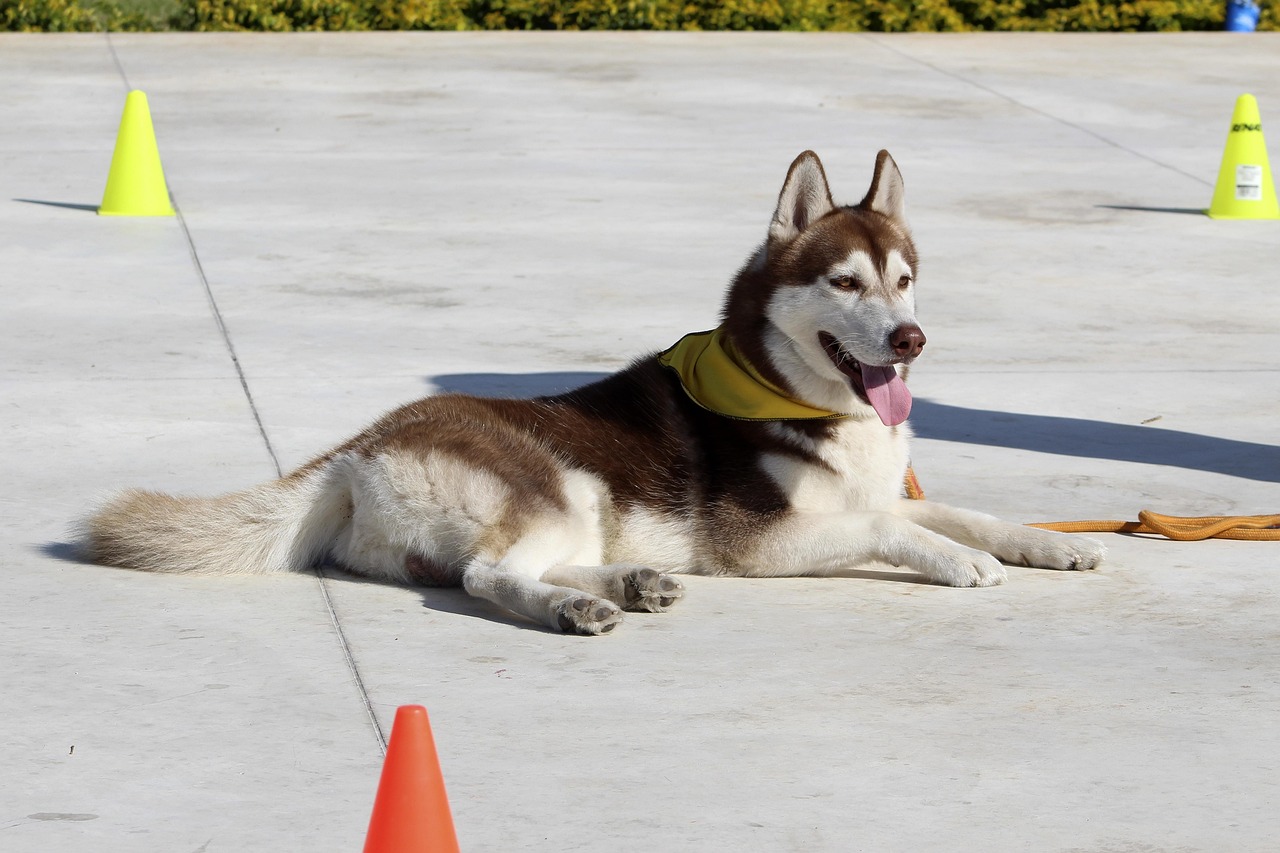

Stay Put Command: Building Patience and Discipline in Your Dog
The “Stay Put” command is essential for dog training, promoting patience and discipline in your canine friend. This command allows you to control your dog in various situations, enhancing safety and obedience. Teaching the “stay” command begins with establishing a strong bond between you and your dog. It’s important to ensure that your dog understands that you are a source of authority and trust. Start training in a quiet environment, free from distractions, to help your dog focus on the task at hand. Gradually increase distractions as your dog learns. It’s crucial to use positive reinforcement when your dog successfully follows the command. This can include verbal praise, treats, or playtime. Make training sessions brief but frequent, as dogs learn better through repeated, positive experiences. Keep a consistent tone and body language when giving commands. Over time, this will build your dog’s understanding and responsiveness. Remember, patience is key during this process. Don’t rush your dog; allow ample time for it to learn this vital command.
Consistency is another critical aspect of teaching the “stay” command effectively. Dogs thrive on routine, and being consistent with your commands will help solidify their understanding. Always use the same word and tone when giving this command. If you’re inconsistent, your dog may become confused about what you expect from it. When issuing the command, start with a clear and firm “stay” followed by a hand signal, like an open palm, to help reinforce the action you want from your dog. This visual cue can be especially beneficial for dogs that are more responsive to visual than verbal signals. Over time, gradually increase the duration your dog must remain in place before receiving praise or a reward. Begin with just a few seconds, then slowly add more time as your dog’s patience grows. If your dog breaks the stay, calmly redirect it back to the original position without punishment. Instead, simply repeat the command. This reinforces that staying is expected behavior. With persistence, your dog will learn to remain stationary even in distracting environments.
Gradual Increase in Challenges
As your dog becomes more capable of holding the “stay” position, it’s essential to gradually introduce complexity into your training. This could involve changing your position within the room, walking around your dog, or even having friends or family members distract your pet. Start with minor distractions and increase the level as your dog improves. For instance, you might first have a family member walk around the room before increasing to using toys or sounds. Each time your dog successfully maintains its position, be sure to reward it with plenty of praise or treats. This will reinforce the notion that remaining in place is beneficial and that your dog is doing an excellent job. During this phase of training, it’s crucial to remain patient and understanding; every dog learns at its own pace. Some dogs may take longer to adapt to increasing challenges than others. Consistency and a positive attitude can help your dog overcome difficulties during the training process. Ultimately, this gradual increase solidifies your dog’s understanding of the command under various conditions.
The “stay” command is not just about remaining in one place; it teaches dogs more than just physical restraint. It’s a lesson in impulse control and patience. When your dog learns to remain where it is despite the presence of temptations or distractions, its overall discipline—including social manners—improves. You’ll notice that the more your dog practices the “stay” command, the more control it gains over its impulses. This benefit extends beyond just the home environment; your dog will be better behaved in public parks or during walk sessions. For instance, when at a busy area, having a reliable “stay” command can prevent your dog from zigzagging throughout the crowd or jumping on strangers. Furthermore, by practicing this command, your dog will gain confidence through repetition, fostering a sense of security in its own abilities. Training effectively leads to improved relationships—both with your dog and the people you encounter. It’s vital that every step of this learning journey be enjoyable for your dog; thereby, creating fun moments during training will foster an increased willingness to learn.
Implementing the Command in Real Life Situations
To emphasize the value of the “stay” command, consider incorporating it into your daily routine. This could involve using the command before feeding your dog, preventing it from jumping up excitedly during mealtime. Have your dog assume the “stay” position while you place its food bowl down. Only release your dog from the command once everything is ready. This real-life application reinforces the importance of staying put while simultaneously creating a sense of order during mealtime. Furthermore, utilizing this command at the door when guests arrive will teach your dog that it must remain calm in the face of excitement. Establishing a properly executed “stay” command will contribute to a more peaceful environment in your home and lessen misunderstandings between your dog and visitors. Social situations allow the command to shine, demonstrating your dog’s ability to remain composed when faced with external stimuli. Always remember that consistency in real-life application further reinforces the command. This strategy will assure your dog behaves appropriately in various settings, making outings more enjoyable for everyone.
Engagement during training sessions plays a crucial role in successful command retention. While training, it’s essential to keep your dog interested and engaged. Use a variety of treats or toys to make the training sessions entertaining and energetic. This way, your dog associates the “stay” command with positive experiences. Not only this, but also varying locations for practice can enhance your dog’s adaptability. Practice in your yard, at the park, or even while on a walk. This variation helps reinforce learning in different contexts, making the command more reliable regardless of location. Always ensure that the environment supports the training objectives. If you’re in a new place with many distractions, consider starting with shorter duration training sessions until your dog grows accustomed to its surroundings. Always end your sessions on a positive note, even if progress seems slow. A happy, successful training experience encourages your dog to look forward to future practice. This approach builds confidence and a sense of accomplishment, ultimately fostering better compliance and understanding of commands in the long term.
Conclusion: The Rewarding Journey of Training
Ultimately, training your dog to properly follow the “stay” command is a rewarding journey that enhances not only discipline and patience but strengthens your relationship, too. As you work through the process, you will likely discover many challenges unique to your dog’s individual personality. Remember that each dog learns differently, so avoiding comparisons is vital for your personal training success. Consistent practice, positive reinforcement, and engaging methods will yield the best results. You must foster an enjoyable learning environment, which helps retain information better. Celebrate progress, no matter how minor; these wins will prove to be essential milestones on your dog’s training journey. As your dog masters the “stay” command, they gain essential behavioral skills, providing safety and enhancing their time spent with you in various environments. In return, your bond strengthens as you navigate this journey together. Never underestimate the value of patience, consistency, and love, which are all key components of successful training. Over time, with commitment and dedication, your dog will thrive under your guidance, showcasing their skills with great joy.
As your dog excels in the “stay” command, consider expanding on this training by introducing new commands that build upon the foundation you’ve created. Commands such as “wait” or “leave it” can be incredibly beneficial in real-life scenarios. These commands allow you to communicate nuanced instructions and keep your dog safe in various situations. For example, when at a busy intersection, a solid “wait” command can prevent your dog from dashing into traffic. Combining these commands with the “stay” will reinforce your dog’s obedience and sharpen its focus. Layering new commands upon established ones cultivates a deeper understanding of expectations and further enhances discipline. Remember that reinforcement is key—always reward successful command execution to solidify learning. This demonstrates to your dog that listening results in positive outcomes. Training doesn’t end with the “stay” command; it evolves as both you and your dog grow together. The variety of useful commands can keep training sessions stimulating while challenging your dog’s mental abilities. Never hesitate to make training fun; varied activities will create lasting positive associations, promoting enthusiasm in your dog for learning even more.