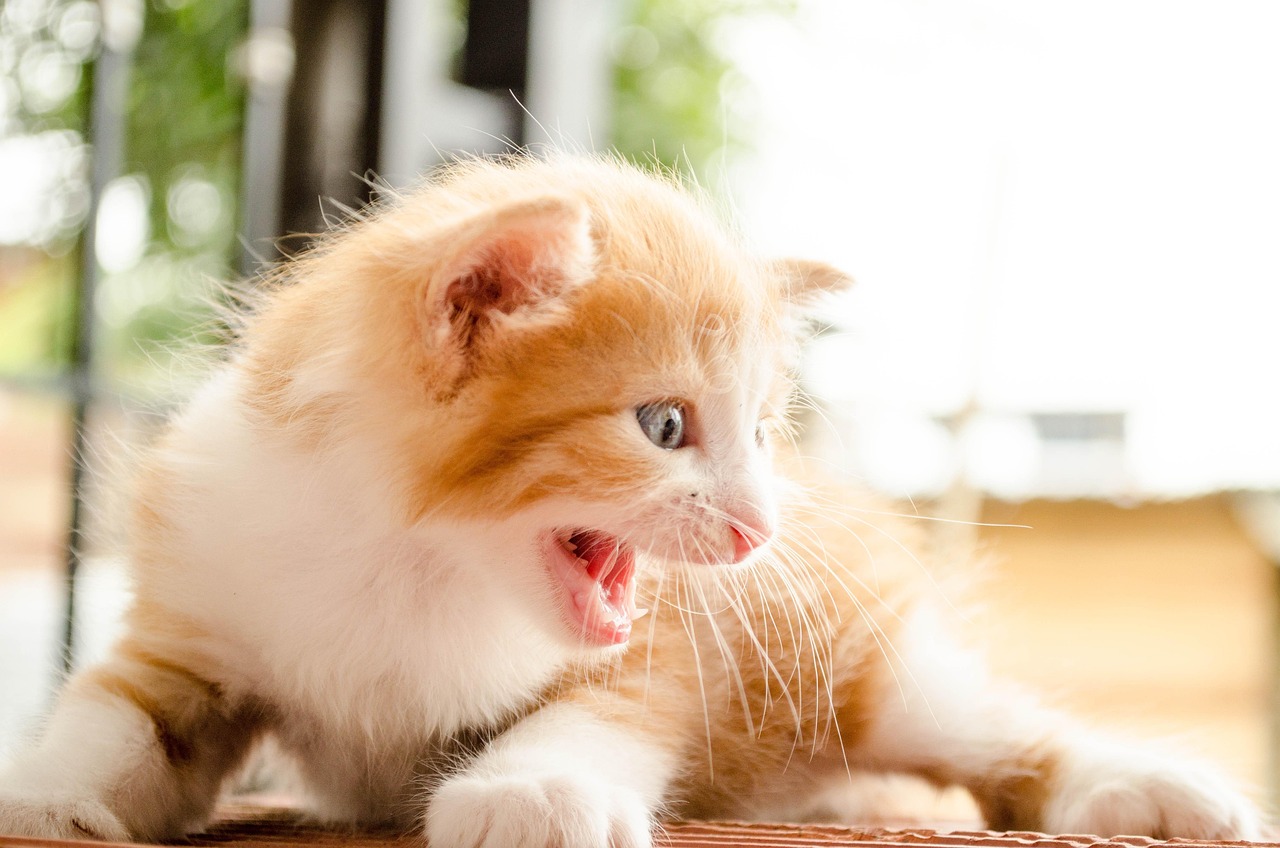

How Diet and Health Affect Aggressive Play in Cats
The relationship between a cat’s diet, overall health, and its behavior, particularly aggressive play, is a significant area of study for pet owners and veterinary professionals. Cats are natural hunters, often displaying playful aggression as they engage in mock battles with their toys or companions. However, certain dietary deficiencies can exacerbate these tendencies. A diet lacking in essential nutrients can lead to increased irritability and aggression in cats. For instance, diets low in omega-3 fatty acids have been linked to altered mood and behavior. Ensuring that your feline friend receives a balanced diet rich in vitamins and minerals such as vitamin E, B vitamins, and taurine can promote calm behavior. It’s important to provide high-quality, nutrient-dense food to maintain a stable temperament. Regular veterinary check-ups are essential, as underlying health issues can trigger aggressive behaviors. Cats suffering from pain or discomfort may exhibit heightened aggressive play as a response. Therefore, a thorough examination and proper dietary management are crucial for tempering aggressive tendencies. Paying attention to your cat’s nutrition can lead to happier, more balanced playtime, fostering healthy social interactions.
Aggressive play can be understood as a natural behavior in cats, yet it can become problematic if it leads to excessive aggression toward humans or other pets. This behavior is often a product of the cat’s instinctual hunting behavior. However, if your cat’s play becomes too aggressive, it can be an indicator of stress, anxiety, or frustration. Environmental factors play an essential role in shaping behavior. For example, a cat that is consistently confined to a small space may exhibit more aggressive play as a means of releasing pent-up energy. Allowing ample space for exploration, adequate stimuli such as scratching posts, and interactive toys can mitigate these issues. Additionally, socialization from a young age can help in developing good play manners. Cats that lack interaction with other felines may not learn appropriate play behaviors. Introducing playtime routines, providing steady companionship, and utilizing engaging toys can support healthier play behavior. Observe your cat’s body language closely, as signs of overstimulation might appear during play. If aggressive behavior persists or worsens, it is advisable to consult a veterinarian for an assessment to rule out any health concerns.
Nutritional Contributions to Behavior
The nutrition a cat receives influences not only its physical health but also its behavior patterns. A well-balanced diet serves as a foundation for emotional stability and proper behavioral responses. Certain nutrients play a pivotal role in neurotransmitter function and mood regulation. For example, an adequate intake of tryptophan promotes the production of serotonin, a neurotransmitter that contributes to feelings of well-being and calmness. Conversely, a deficiency in essential amino acids can lead to irritability and aggressive tendencies. Vitamins and minerals, specifically, play critical roles in maintaining brain health and mood regulation. A diet enriched with high-quality animal proteins, along with vegetables and whole grains, helps ensure that your cat’s nutritional needs are met effectively. Supplements such as omega-3 fatty acids can provide additional support for behavioral health. Moreover, the type of food—dry versus wet—can also influence hydration levels and overall well-being, indirectly affecting behavior. Consistent feeding schedules also encourage stability in routine, which can further diminish behavior problems. To ensure optimal health and behavior, collaborating with your veterinarian to tailor your cat’s diet to its unique needs is essential.
Understanding the nuances of your cat’s play behavior is essential for fostering a harmonious home environment. Aggressive play can arise from various factors, including anxiety, boredom, or insufficient social interactions. Cats are naturally playful, yet without appropriate outlets, they may resort to aggressive maneuvers during playtime. One effective way to manage this behavior involves engaging in interactive play sessions that mimic hunting. Using wand toys or laser pointers can help redirect energy and reduce frustration. Setting designated playtimes allows your cat to release excess energy while bonding with you. Additionally, considering the age and breed of your cat can help personalize play strategies. Kittens may require more vigorous playtime routines, while senior cats may prefer gentler activities. Monitor your cat’s reactions during play carefully, as signs of overstimulation can escalate into aggression. If it begins to bite or scratch too fiercely, it’s wise to pause and allow for relaxation. Establishing healthy boundaries during playtime helps your cat learn appropriate behavior. Consider providing alternative outlets such as puzzle toys or treat-dispensing toys to mentally stimulate your feline and minimize aggressive tendencies.
The Importance of Regular Veterinary Care
Regular veterinary care plays a vital role in maintaining a cat’s health and managing any potential aggressive play behaviors. Annual check-ups allow for the early detection of health issues that can result in negative behaviors, including play aggression. Any underlying medical conditions may contribute to irritability or heightened aggression during play. Examples include dental disease, arthritis, or hormonal imbalances, all of which can cause discomfort or pain. Recognizing these connections encourages prompt treatment. Additionally, veterinarians can provide guidance about nutritional needs and recommend appropriate dietary adjustments to enhance your cat’s overall well-being. Vaccination and parasite control are also crucial components of preventive health care that influence behavior. A healthy cat is less likely to exhibit aggressive behaviors related to illness. Furthermore, behavioral assessments during veterinary visits offer insights into your cat’s behavior and potential interventions. If necessary, collaborating with a veterinary behaviorist can lead to tailored strategies for managing aggressive play. Being proactive about your cat’s healthcare not only prevents health issues but also promotes a positive temperament, ensuring lifelong bonds between you and your furry companion.
In conclusion, recognizing the link between diet, health, and aggressive play behavior in cats is essential for any cat owner. By ensuring that your feline companion receives a well-balanced diet and proper medical care, you foster both physical health and emotional well-being. Nutritional choices greatly impact a cat’s temperament, influencing their levels of aggression during play. Addressing any underlying health issues is equally important, as pain and discomfort can manifest in play aggression. Providing ample opportunities for positive interactions through engaging play, interactive toys, and adequate socialization are crucial steps in managing aggressive tendencies. Additionally, monitoring your cat’s response to play and consulting with professionals when needed can help ensure that playtime remains enjoyable and safe. With strategic dietary management and a comprehensive understanding of your cat’s needs, you can create a nurturing environment. This promotes healthier play behavior, reducing the likelihood of aggression towards you or other pets. Remember that each cat is unique, and finding the right balance between diet, health, and behavior takes time and patience. Happy playing!
As pet owners, understanding the complexities of feline behavior can significantly enhance your relationship with your cat. It is essential to recognize how external factors such as diet and health contribute to your cat’s overall behavior, specifically aggressive play. Creating a loving environment that encompasses proper nutrition, regular veterinarian visits, and engaging activities is integral for your cat’s overall well-being. Learning about the intricate relationships between diet, health, and behavior will improve your ability to prevent and respond to aggressive play issues. An informed and observant owner can make beneficial changes that lead to a happier and healthier cat. Additionally, it is vital to remember that your feline companion depends on your understanding to ensure their needs are met. By tailoring their environment, routine, and diet with particular consideration towards their unique personalities, you can empower them to thrive both physically and emotionally. Ultimately, happy and well-adjusted cats contribute positively to many households, creating shared joy and companionship for all. Taking the journey towards understanding your pet’s needs is a rewarding endeavor leading to a fulfilling life together.
In summary, maintaining a close eye on your cat’s behavior and making necessary adjustments in their diet and interaction patterns can lead to significant improvements in aggressive play. Regular communication with a veterinarian, nutritional adjustments, and active engagement in play can minimize this behavior. Knowledge and observation are key elements in cultivating a lasting, positive relationship with your cat. Investing time and effort into understanding what drives their aggressive play behavior, you will be able to develop a tailored approach that meets their needs effectively. The goal is to ensure that both you and your furry friend enjoy harmonious playtime together, nurturing a strong bond built on understanding and love. Providing healthy play opportunities and environments can mitigate aggression significantly, fostering better social interactions with humans and fellow pets. A thorough understanding of your cat’s health and behavior opens doors to meaningful connections that enrich both their lives and yours. As you implement these strategies, remember that patience is vital. Changes may take time, but the reward—having a well-adjusted and happy cat—is truly worth it.