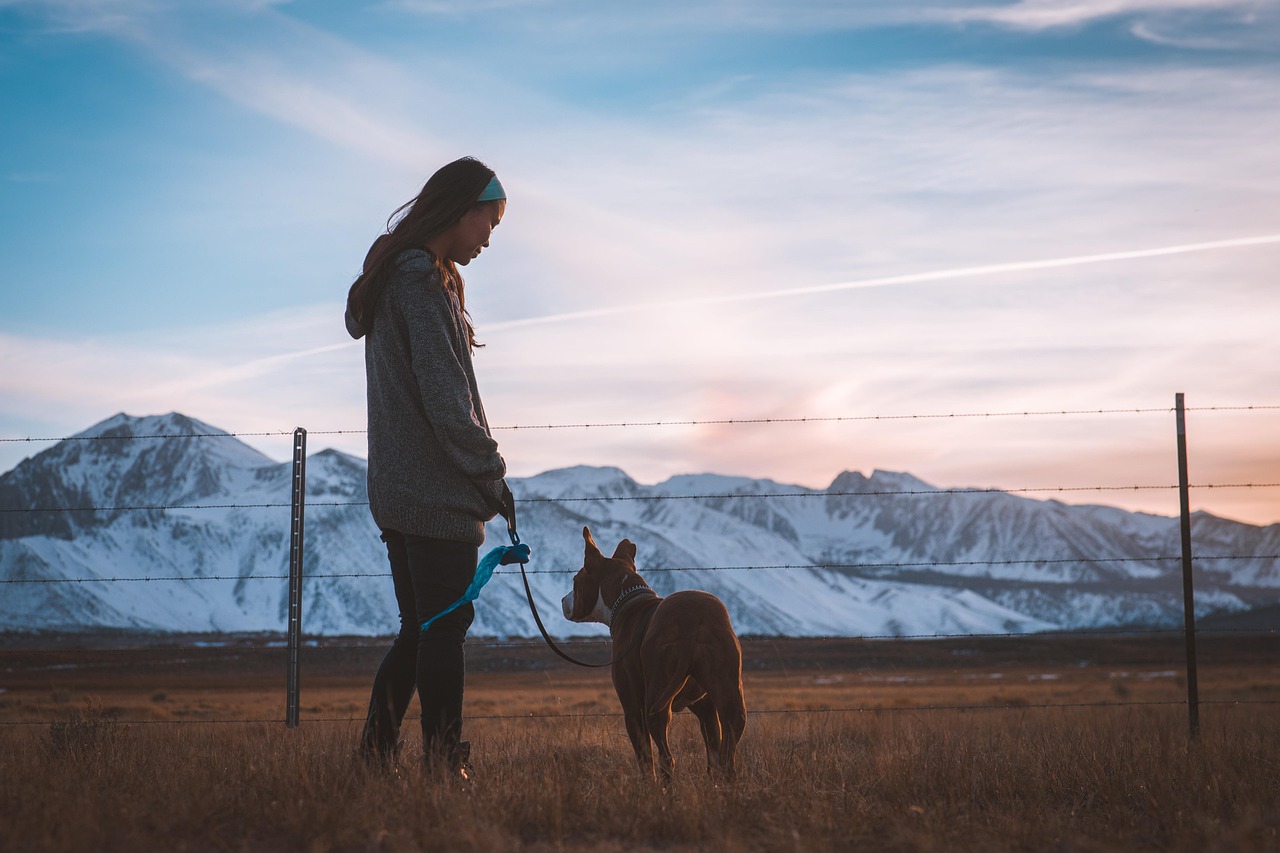

Camping with Dogs in the Mountains: What to Know
Camping in the mountains with your dog can be incredibly rewarding. Not only does it provide a chance for you and your furry companion to bond, but it also allows both of you to connect with nature. Before heading out, ensure you prepare well. Start by selecting dog-friendly campsites. Some campgrounds may have restrictions concerning pets, so consult local regulations ahead of time. Additionally, check the weather forecasts and select a time of year that will be enjoyable for both you and your dog. Remember to pack essential supplies such as food, water, and a comfortable bed for your dog to rest. First aid kits that include dog-specific treatments are also crucial. Making a detailed checklist can help make the experience smoother. With milder weather and less chance of adverse conditions, late spring or early fall is often ideal for camping trips. Always consider your dog’s breed, age, and temperament, as some dogs may find mountainous terrains challenging. Finally, familiarize your dog with camping settings before the trip by taking them on short outings. These preparations will ensure a wonderful adventure together.
Essential Gear for Mountain Camping with Dogs
Choosing the right gear heightens the camping experience for you and your pet. Invest in a durable leash and harness that offers both security and comfort for your dog while hiking. Many prefer using a front-clip harness to prevent pulling. A comfortable backpack for your dog can also be beneficial, allowing them to carry some of their essentials, such as water and food. In addition, don’t forget to pack adequate bedding or a portable dog bed. Your dog deserves a cozy spot to rest after a long day of exploring. A collapsible water bowl is essential for keeping your dog hydrated throughout your adventure. It’s lightweight and easy to pack. Furthermore, include a dog first aid kit that covers potential ailments or injuries. This kit should contain antiseptic wipes, bandages, and any necessary medications. Invest in a dog-friendly sunscreen, too, to protect your pup’s sensitive skin, especially at higher altitudes. Finally, bring extra waste bags for clean-ups, remaining respectful of nature and fellow campers. With these essential items, you’ll ensure a safer and more enjoyable camping trip.
Nutrition and diet are crucial when camping with your dog. Outdoor activities require that your dog maintains energy levels, making it essential to adjust their diet accordingly. Ensure you bring enough food that adheres to your dog’s regular diet. Consider using dog food that is easy to carry and store, like dry kibble. Remember to pack high-quality treat options for rewarding their good behaviors. These can serve as fantastic energy boosters during a long hike. Hydration is equally essential, especially in hotter climates, so always keep fresh water available. Portable water filters or purification tablets help ensure your dog stays well-hydrated, even in remote areas. Additionally, when planning meals for yourself, think about including some dog-friendly options, allowing your dog to share some mealtime fun. Avoid giving your dog unfamiliar foods, as it could upset their stomach during your trip. Always follow your vet’s recommendations regarding food quantities and timings for your specific dog’s needs. This planning helps prevent digestive issues while ensuring your pet remains healthy and energetic on the trail. Keep their menu simple and consistent to promote a healthy camping experience for all.
Safety Protocols While Camping
Prioritizing safety when camping with dogs is vital for an enjoyable trip. Before beginning your adventure, familiarize yourself with dog-friendly trails and potential hazards. Be cautious of wildlife encounters, as various mountain animals can pose threats. Always keep your dog on a leash to minimize potential dangers, especially when near cliffs or fast-moving streams. Make sure your dog is vaccinated and flea and tick protected to avoid unpleasant surprises in the outdoor environment. Check your pet for ticks and any injuries daily; this practice can prevent severe health problems down the road. Bring a GPS tracker for your dog, which can be beneficial for locating them in case they wander off. Consider microchipping your pet before the trip. A visible ID tag should also have your contact information. Training your dog to respond to basic commands, like “come” and “stay,” will help greatly in managing your dog in unpredictable situations. Being proactive about your dog’s safety protects their well-being while enhancing your outdoor experience. Emphasizing prevention reduces risks and ensures that both you and your pet can relax and enjoy the great outdoors.
Adapting your hiking pace and route for your dog’s capability enriches both your experiences while camping. Always choose trails suited to your dog’s fitness level and breed. Dogs with shorter legs may struggle on steep paths, while more athletic breeds might love challenging terrains. Listen to your canine companion; if they seem tired, take breaks and hydrate regularly. Some breeds are more prone to exhaustion in hot weather. In these cases, opt for shaded trails. Consider hiking during cooler parts of the day, like early mornings or late afternoons. As a rule, plan daily distance based on your dog’s limits to avoid over-exertion. Carry a first-aid pack specifically designed for pets in case of scrapes or injuries on the trail. Additionally, keep an eye out for any signs of discomfort in your dog, like excessive panting or reluctance to continue. Stamina varies among dogs, so take your time and create enjoyable experiences. Sticking together while allowing for exploration fosters a sense of teamwork and fun. Always stay aware of your surroundings to keep both you and your faithful companion safe and happy.
Camping Ethics with Dogs
Practicing ethical camping habits while sharing nature with your dog is vital. Follow the Leave No Trace principles to minimize your environmental impact. Dispose of waste properly by keeping poop bags handy and taking trash with you. Do not allow your dog to chase wildlife; this protects both your pet and the creatures. Respect campsite rules regarding dogs, as some areas may require pets to be on a leash or muzzled in public regions. Ensure your dog does not disturb other campers, creating a peaceful environment for all. If your dog tends to bark frequently, consider acclimating them to the camping environment beforehand. Keeping noise levels down helps preserve the natural ambience and fosters respect for fellow campers. Also, keep dogs away from areas where they might harm vegetation or disturb wildlife. Encourage your pet to stay on trails and designated routes. Remember, mountainous environments are delicate ecosystems deserving of protection. Take the time to teach your dog good camping etiquette, reinforcing positive behaviors. This respect for nature will nurture the outdoor environment while enabling a pleasant experience for everyone.
In conclusion, camping in the mountains with your dog can be incredibly fulfilling. By preparing thoroughly, focusing on safety protocols, and prioritizing ethical behavior, you can ensure an enjoyable experience for both of you. Remember to choose appropriate hikes, and pack essential gear and nutrition that fits your dog’s needs. Always pay attention to the local wildlife and environmental factors that may impact your adventures with your pet. Keeping in mind basic camping etiquette raises awareness for everyone participating in the outdoor space. Take careful measures to protect your dog’s well-being throughout your trip with gear, nutrition, and regular assessments during hikes. Creating a habit of checking in on your dog’s health can enhance their camping experience. Furthermore, knowing that you can be vigilant and proactive promotes peace of mind. Emphasizing teamwork and mindful practices will lead to lasting memories shared with your dog. As outdoor adventures forge strong bonds, investing in your dog’s happiness while exploring the beauty of nature is invaluable. By embedding these tips into your camping routine, your expeditions will always be extraordinary.