
Benefits of Massage and Physical Therapy for Senior Dogs
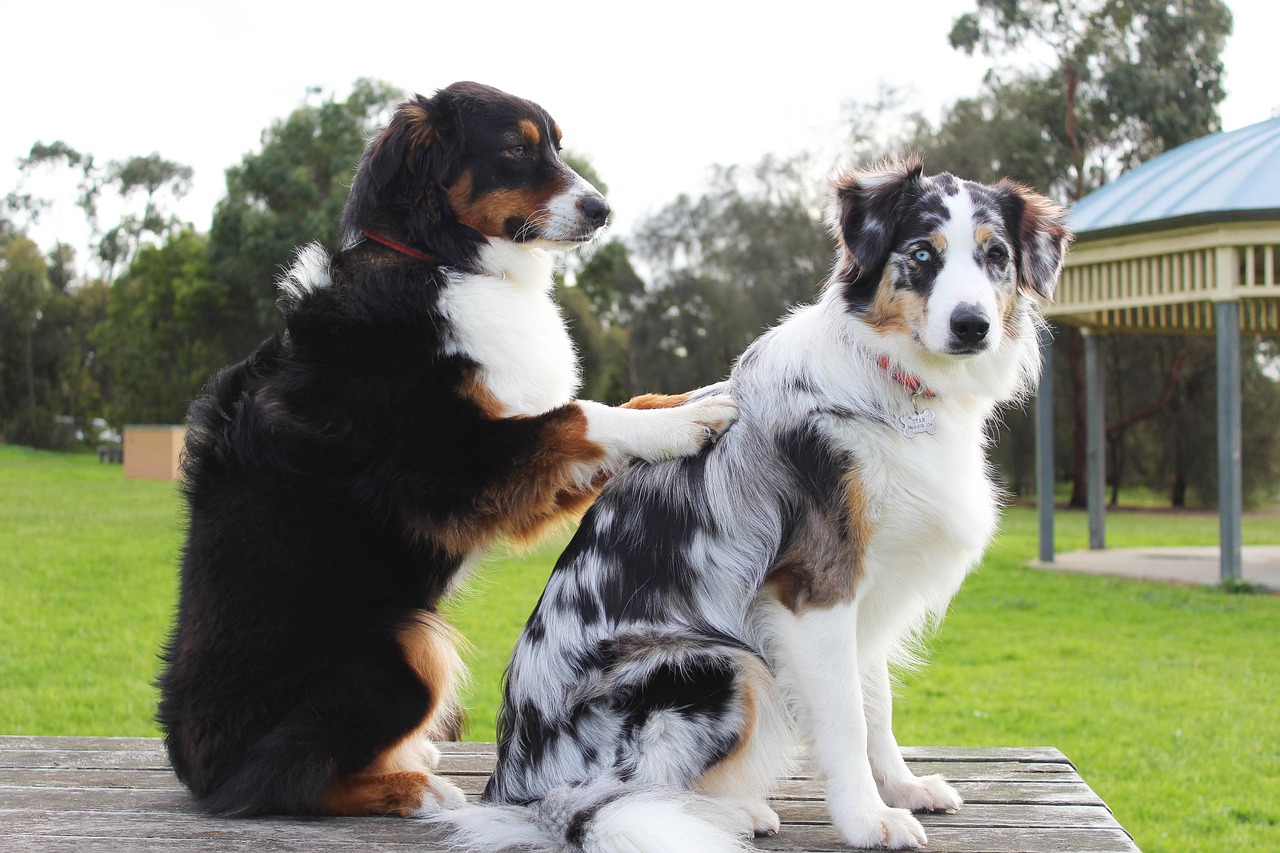
As dogs age, their bodies become less flexible and more prone to injuries. Senior dogs often suffer from arthritis, joint pain, and other ailments, which can significantly affect their quality of life. Regular massage therapy is an excellent way to help your senior dog feel better and improve mobility. This gentle practice can alleviate muscle tension, reduce stiffness, and promote blood circulation. Additionally, massage therapy not only brings physical benefits but also fosters a deeper emotional connection between the dog and their owner. When a dog receives massage, they can feel more relaxed and comfortable, which can help lessen anxiety and stress. This holistic approach can support the dog’s overall health, making daily activities, such as walks and playtime, easier and more enjoyable. Furthermore, it can be tailored to address specific issues that may affect senior dogs, such as degenerative diseases and muscle atrophy. Regular sessions can be part of an integrated care plan, complementing veterinary care and exercise regimes. For owners, learning basic massage techniques can empower them to contribute actively to their pet’s well-being. Consider consulting a professional for guided sessions to maximize the benefits.
Another key element is physical therapy, which encompasses a variety of methods used to relieve pain and improve mobility in senior dogs. Engaging a certified canine rehabilitation therapist can provide tailored exercises that focus on strengthening specific muscle groups, enhancing flexibility, and decreasing pain. Options like underwater treadmills, balance boards, and targeted stretches can work wonders in restoring functional movement. These modalities help preserve muscle tone and joint range of motion and can effectively manage conditions such as hip dysplasia or post-operative recovery. Incorporating physical therapy can be a game-changer for rehabilitation following injury or surgery, enabling dogs to regain their strength and stamina. Moreover, professionals can assess a dog’s unique needs and design exercises catered to their abilities and limitations. The goal is to work towards restoring the dog’s natural gait and improving their overall quality of life. Pet owners must remain vigilant in observing changes in behavior, activity levels, and mobility, as these can signal the need for adjustments in therapy. Pairing physical therapy with consistent, low-impact exercise forms a comprehensive plan that encourages a healthier, active lifestyle for senior dogs while reducing the risk of falls and further injury.
The role of canine massage and physical therapy extends beyond physical improvements, fostering emotional and psychological benefits for senior pets. Dogs, similar to humans, thrive on positive experiences. Massage promotes the release of endorphins, which are natural stress-relievers, leading to a more relaxed demeanor. When dogs are relaxed and in a calm state, they may exhibit reduced aggressive tendencies and be more engaged and responsive. This enhanced emotional well-being also supports a healthier bond between the dog and owner, as supportive touch can communicate love and trust. Additionally, dogs who receive regular massage often show improved behavior and activity levels, indicating a higher quality of life. Implementing these practices not only alleviates physical discomfort but also enriches the daily lived experience for senior dogs, punctuating life’s moments with joy and playfulness. Pet owners might also find solace in observing the positive changes in their furry companions, giving them a sense of satisfaction and happiness. Investing time in massage and therapy can build a shared routine, enhancing companionship and belonging. Training in these practices can also empower owners, allowing them to be proactive advocates for their dogs’ health and happiness.
Choosing the Right Techniques for Your Dog
To maximize the benefits of massage and physical therapy, it’s essential to understand and select appropriate techniques suited for your senior dog’s specific needs. Research can reveal various modalities or methods ranging from passive stretching and range-of-motion exercises to the gentle kneading techniques of massage. Some techniques may focus on pain relief, while others aim to enhance muscle tone or improve flexibility. By consulting with a veterinarian or certified therapist, you can gain insights into the most effective program tailored for your furry friend. Additionally, always keep in mind a dog’s age, pre-existing conditions, and the extent of any mobility impairments before implementing any regime. Not all techniques are suitable for every dog; what works wonders for one may be unsuitable for another. For instance, a dog with severe arthritis may need gentler methods, while a more active senior dog might thrive on more intensive physical training. Engage positively with your dog during these processes, ensuring they feel both physically secure and emotionally supported throughout the journey.
Nutrition also plays a vital role in enhancing the effectiveness of physical therapy and massage. A well-balanced diet designed for older dogs contributes significantly to their overall health and can improve their responsiveness to therapy treatments. Utilizing high-quality, nutrient-rich food, supplements like omega-3 fatty acids, and glucosamine can support joint health and reduce inflammation. Owners should consult their veterinarians for personalized dietary recommendations tailored to their dog’s needs, especially if the dog is suffering from specific health issues. Hydration is equally important; ensuring that your senior dog is well-hydrated will aid in digestion and overall wellness. Implementing dietary changes alongside therapy can create a synergy, amplifying the health benefits achieved through both physical activity and massage. Together, these elements can help in managing pain and discomfort for senior dogs, promoting more vigorous participation in both therapy and shared activities. The dog’s emotional well-being improves significantly when they feel physically supported, simultaneously strengthening the owner-pet relationship at this important stage of life.
Creating a Routine
Establishing a regular routine that encompasses massage and physical therapy can enhance the effectiveness of these interventions. Setting specific times for workouts and therapy sessions encourages consistency, benefiting both the dog and the owner. Dogs thrive on predictability, so a well-structured routine can reduce anxiety and improve overall behavior. Consider integrating these practices into the daily lifestyle rather than viewing them as isolated sessions, as consistency is paramount. Activities such as short walks, gentle fetch, or playful indoor fetch alongside massage sessions can create positive experiences and mental stimulation for senior dogs. Engage them actively by introducing play within these routines; varying exercised methods allows for fun while still being therapeutic. Owners should observe their dog’s reactions and adapt the routine accordingly based on energy levels and enthusiasm. Establishing a bond while maintaining these promotions can solidify trust and encourage more engagement from the senior dog. Balancing physical exercise with therapeutic treatments creates a caring environment that promotes longevity and health, ultimately enriching both the dog’s experience and their relationship with their owner.
In conclusion, the integration of massage and physical therapy into the lives of senior dogs presents numerous benefits that can significantly enhance their quality of life. These holistic approaches not only address physical limitations but foster emotional well-being and enrich the bond between pet and owner. As dogs grow older, it is crucial to recognize their changing needs and adjust various aspects of their care. Through massage therapy, dog owners can help alleviate discomfort while cultivating a nurturing environment that bolsters connection and affection. Physical therapy adds depth to rehabilitation, ensuring that seniors maintain strength and mobility as they age gracefully. Each technique offered through these approaches contributes to a greater overall health strategy aimed at maintaining the active, joyful life every dog deserves. Ultimately, prioritizing both physical and emotional well-being can provide senior dogs with the supportive care they need, allowing them to thrive in their golden years. As committed owners, understanding that these practices not only benefit the dog but also create meaningful moments together is vital for both parties. With love, attention, and care, we can enhance the lives of our pets well beyond their senior years.