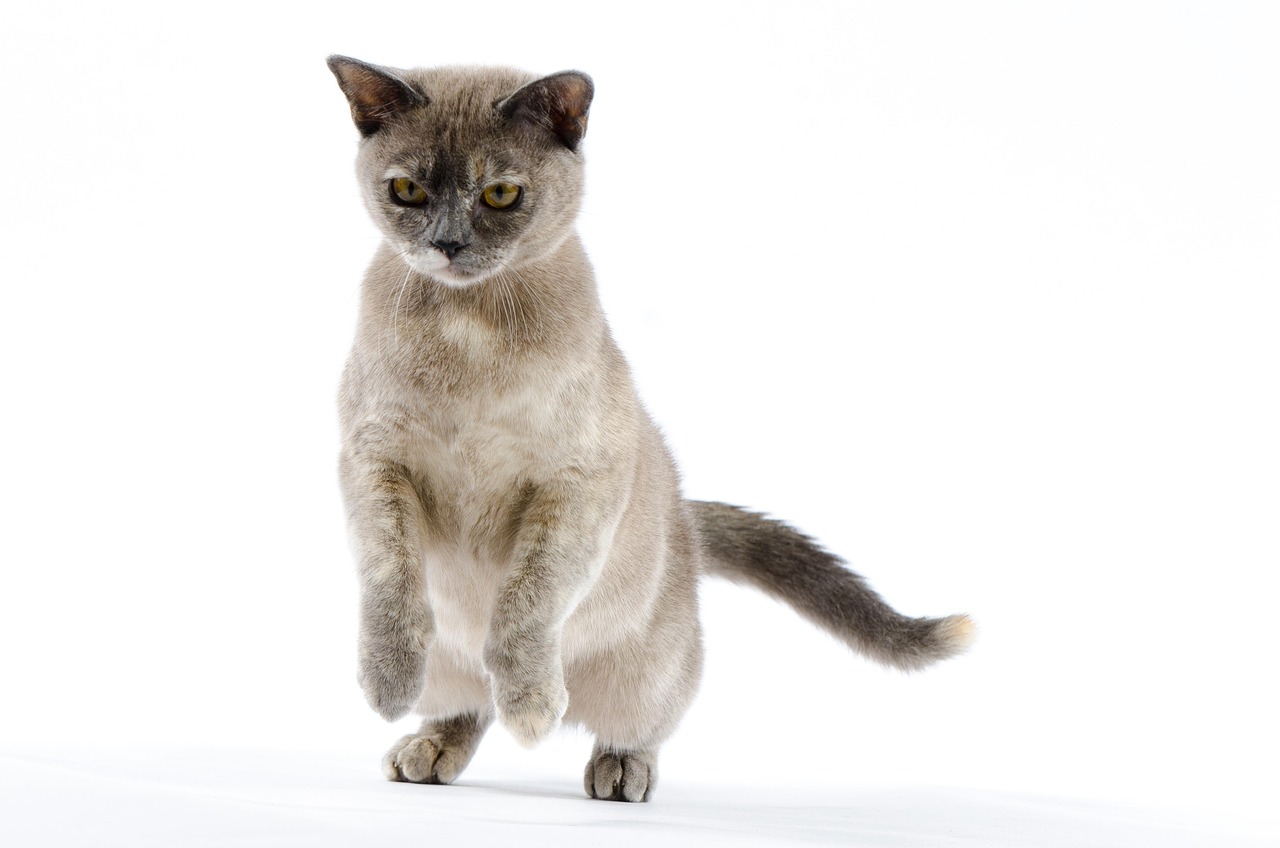

Common Reasons Cats Jump on Kitchen Counters
Cats are known for their curious and adventurous spirits, which is evident in their behavior of jumping on kitchen counters. One of the primary motives is the search for food. Cats are instinctively hunters, and if they smell something delicious, they will jump up to inspect. This behavior, while annoying, is driven by their natural instincts. Furthermore, they may also be responding to stress or boredom. When cats do not have enough stimulation, they may find themselves climbing onto surfaces to entertain themselves. Owners can reduce this behavior by providing more engaging toys or vertical spaces like cat trees. Another reason is their desire for height, as cats feel safer and more in control when they can survey their environment from above. It is vital to understand their motivations and redirect their behavior effectively. Training and positive reinforcement can help modify their actions so they avoid jumping on counters altogether. Keeping food out of reach can also discourage them from approaching those tempting surfaces. Remember, it’s essential to create a cat-friendly environment that caters to their needs without compromising your living space.
Another reason cats may jump on kitchen counters is territorial behavior. Cats have a natural instinct to claim their space, and countertops can be seen as prime real estate in a home. They want to assert their dominance and ensure no other pets or creatures infringe on their territory. When you have multiple pets, this behavior can intensify. Providing exclusive areas for your cats, such as elevated shelves and designated climbing zones, can help alleviate this territorial urge. Visual obstacles or using deterrents, such as double-sided tape or aluminum foil, on surfaces can discourage them from jumping up. Additionally, substrates that intimidate them can be incorporated into the environment. It’s crucial to keep in mind that counter surfing can take on different meanings in various circumstances. For instance, if the cat has had a recent change in their environment, such as moving to a new home or the addition of a new family member, they may seek out higher ground for comfort. Understanding these nuances can significantly assist in addressing their behavior, as environmental adjustments often yield positive outcomes.
Attraction to Heights
Cats are natural climbers, driven by their instincts to explore. The attraction to heights is not merely about accessing food. Cats often jump on counters to enjoy a vantage point that allows them to look out for potential threats, such as other pets or people. By positioning themselves higher up, they can monitor their surroundings more effectively. As a result, creating accessible shelves and perch points that fulfill this climbing need can redirect their inclination toward counters. Establishing a safe climbing area can reduce the occurrence of jumping as they’ll feel secure in their designated spots. Moreover, cats, being intelligent creatures, also learn from their experiences and will often return to areas where they previously found food or other interesting things. Cats understand that kitchen counters often hold items of value, leading to repeated visits. Additionally, placing cat-friendly items on high surfaces—like their toys or scratching posts—can help refocus their climbing behavior into a healthier outlet. Keeping their interests in mind helps cultivate a satisfying environment, mitigating unwanted counter behavior while fulfilling their natural instincts.
Another significant reason behind the jumping on countertops relates to attention-seeking behavior. Cats are social animals, and they crave interaction and companionship with their humans. They may jump on counters during meal preparation, simply hoping to engage with you. If they notice that jumping on counters garners your attention—even negative attention—they may continue this behavior consistently. Therefore, recognizing why cats jump can help prevent these unwanted actions. It’s vital to dedicate specific times to play and interact with them daily so their needs are met, reducing the necessity to seek involvement in kitchen activities. Providing regular morale boosts through positive interaction will help create a more engaging atmosphere for them. The use of feeder toys can also keep their minds active while you prepare meals. This ensures they remain mentally engaged and divert their energy towards something productive instead of jumping on surfaces. Properly training your cat to understand that kitchen counters aren’t the place for them can involve replacing their climbing instincts with alternative activities that provide just as much satisfaction without the hassle.
Curiosity and Intelligence
Cats are inherently curious animals, which explains their habit of jumping onto kitchen counters. Their inquisitiveness drives them to explore every corner of their environment, making counters an enticing target. As natural problem solvers, cats utilize their intelligence to uncover how to reach high places effectively. When allowed to roam freely, their exploration can lead them to countertops, especially if enticing smells or objects leap out at them. For them, these devices are playgrounds rich with opportunities to discover new scents and textures. Providing interactive toys and puzzle feeders can keep them engaged and lessen their need to investigate kitchen surfaces. Ensuring you create a feline-friendly environment where their curiosity is satisfied is essential for their mental health and wellbeing. Not only will it encourage appropriate engagement, but it’ll also help minimize behavior problems like jumping on surfaces. An interesting mix of challenging items, from clawing posts to hide-and-seek toys, can captivate their attention significantly. Once cats feel secure and entertained, they’ll be less inclined to invade your kitchen, making your cooking experiences far more enjoyable.
Additionally, seasonal changes can impact your cat’s inclination to jump on counters. In the summer, they tend to seek cooler spaces, which may include countertops that are near air conditioning vents or windows. Conversely, during winter, they will seek warmth. Cats love sunbathing and often find pleasure in basking in the sunlight filtering through kitchen windows. These natural behaviors motivate them to explore high places where they can enjoy temperature variations. Owners can cater to this by creating designated cozy spots or heated beds near windows that accommodate their cat’s preference for warmth or coolness. A variety of cat-friendly alternatives can help reduce the instinctive urge to perch on kitchen surfaces while remaining comfortable. Moreover, it’s vital to ensure that windows screens are secure, as curious cats may use high spaces to access escape routes outside. Cats’ instincts are survival-based, and understanding their seasonal needs can significantly help manage their behavior constructively. By providing options that satisfy their natural tendencies, you’ll enable them to thrive in a safe, nurturing environment where they feel considered.
Final Thoughts
Lastly, consider the importance of reinforcing positive behavior through training. Redirecting your cat’s jumping tendencies takes time and patience but is achievable through rewarding good behavior. Positive reinforcement techniques, such as treats and praise, can be incredibly effective. Whenever your cat plays or rests in acceptable areas, give them ample encouragement, reinforcing those behaviors instead. Dismiss any jumping incident without reaction, as negative attention may only encourage repeat behavior. Building a strong bond with your feline companion through interaction enhances trust, leading to your cat feeling secure in designated spaces. Integrating distractions should also become part of your routine, helping to transfer their hunting instincts from your countertops to new locations. Consider rotating toys or introducing new ones regularly to keep their interest piqued. Creating an enriching environment is fundamental for your cat’s contentment and behavioral health. Ultimately, understanding your cat’s motivations and addressing them through proper methods will go a long way toward ensuring that your kitchen remains a counter-surfing-free zone, promoting harmony in your home.
In summary, to tackle the problem of cats jumping on kitchen counters, it’s vital to understand their natural instincts, motivations, and behaviors. By providing sufficient stimulation, responding adequately to their needs, and redirecting negative habits, owners can settle into a cat-friendly atmosphere where boundaries are clear. Furthermore, knowing when to intervene, how to train effectively, and offering alternatives will ease the compulsion to jump. Remember also that your furry friends are curious and intelligent beings seeking connection—finding joyful ways to bridge the gap between your needs and theirs is heartening. Adopting patience and consistency is key to establishing a harmonious dwelling. Creating satisfying engaging environments that fulfill their ecological needs emphasizes the importance of fostering positive behavior. In turn, this encourages a loving environment while mitigating any undesirable habits. Keep searching for innovative solutions that work for you and your cat, supporting a happy and healthy lifestyle. After all, a well-engaged cat is a content cat! While jumping on kitchen surfaces might be inherent, addressing it constructively will lead to rewarding dynamics in both your lives.