
Understanding Natural Remedies for Dog Anxiety: A Comprehensive Guide
Dog anxiety is a common issue, affecting many pets across various breeds and ages. As dog owners, it’s vital to understand the factors contributing to your dog’s mental health challenges. Environmental changes, such as moving or new family members, can trigger stress. Also, factors like lack of socialization, traumatic experiences, and genetic predispositions play a significant role. Just as humans can seek comfort through natural remedies, dogs can benefit from similar approaches. Natural remedies can complement behavioral training, fostering a calmer pet. Essential oils, for instance, like lavender and chamomile, are known for their soothing properties. Similarly, various herbal supplements, such as valerian root and passionflower, can provide relief without harsh side effects. Always ensure that any remedy is vet-approved, as some substances can be harmful to dogs. Incorporating regular physical activity and mental stimulation also helps in managing anxiety. The right balance of exercise, reinforced with supportive natural remedies, fosters a more relaxed dog, building resilience against anxiety. Thus, addressing your dog’s anxiety requires a multifaceted approach combining understanding, environment adjustments, and natural solutions.
The Value of Regular Exercise
Regular exercise serves as one of the most effective ways to alleviate anxiety in dogs. Engaging your dog in daily exercise routines can significantly aid in reducing feelings of stress and anxiety, contributing to enhanced mental health. Activities like walking, running, or playing fetch not only provide physical outlets but also stimulate mental engagement. In fact, mental stimulation can come from various activities such as puzzle toys or obedience training, further addressing anxiety concerns. A tired dog, emotionally and physically, is often a relaxed dog. This is particularly true for high-energy breeds, which require ample physical activity to maintain a calm demeanor. Moreover, participating in regular play dates or social interactions with other dogs can improve their adaptability and resilience against anxiety triggers. Creating a structured routine of exercise, alongside therapeutic activities and natural remedies, strengthens the dog-owner bond. Dogs thrive in environments where they feel secure and predictable routines allow them to know what to expect. Finally, don’t forget about the importance of monitoring your pet’s reactions and adjusting training and exercise according to their unique needs.
Additionally, creating a comfortable home environment plays a crucial role in supporting your dog’s mental health. Designating a specific area as their safe space can offer them a retreat when feeling overwhelmed. This zone should include their bed, favorite toys, and perhaps some calming ambient noises. Calming sounds can significantly alleviate stress levels, allowing your dog to find peace amid chaos. Moreover, utilizing soft lighting can also have a calming effect. You may consider using calming music or sound machines designed for pets, which can reduce anxiety during thunderstorms or fireworks. Always be attentive to your dog’s body language, as it can signal emotional discomfort. If you notice signs of stress, provide comfort and assurance without reinforcing anxious behavior. This balance is critical, as overcoddling might unintentionally communicate that their fears are valid. It’s essential to remain calm and composed when addressing your dog’s feelings, projecting a sense of safety. Understanding your dog’s emotions and giving them the tools to cope is paramount. Lastly, maintaining consistency in your interactions with your pet is vital for their overall happiness and mental health.
Herbal Remedies to Consider
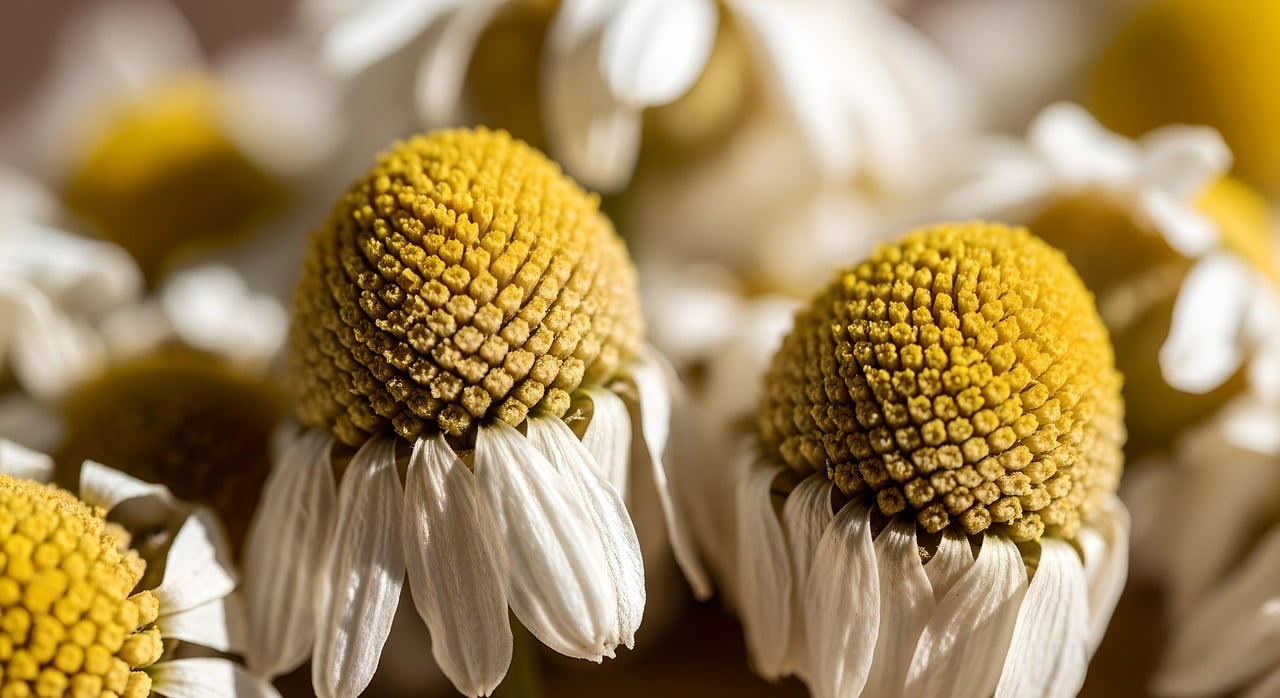
Herbal remedies have gained popularity for managing dog anxiety without relying on medication. Several natural ingredients are known for their calming properties and can be excellent alternatives for anxious pets. For instance, chamomile is renowned for its soothing effects and can be provided through teas or supplements. Similarly, valerian root is another herb that can promote relaxation and reduce anxiety symptoms. Dogs may also benefit from passionflower, which helps calm an overactive mind, and kava kava, known for its ability to reduce stress without sedating. When selecting herbal remedies, ensure they come from reputable sources and consult with your veterinarian for appropriate dosages. Different dog breeds and sizes may require different amounts, so professional guidance is essential. Furthermore, observe your dog when introducing new supplements to monitor their reactions. Occasionally, specific herbs might interact negatively with medications your dog may already be prescribed. Using herbal remedies as part of a broader approach, including behavioral training and exercise, can create a comprehensive strategy for enhancing your dog’s well-being and reducing anxiety.
Aromatherapy can also be beneficial when addressing dog anxiety, with various essential oils providing calming effects. Notable among these is lavender, widely recognized for its relaxing scent. When diffused in the air or applied in diluted forms on your dog’s collar, lavender can help ease feelings of nervousness or stress. Additionally, sweet marjoram is another effective essential oil demonstrating similar calming properties. Before utilizing essential oils, it’s crucial to ensure they are pet-safe, as some oils can be toxic to dogs. Always properly dilute oils to avoid skin sensitivities, and introduce them gradually to prevent overwhelming your pet. Incorporating aromatherapy within a calm environment, alongside regular routines, enhances its effectiveness. Consulting with a holistic veterinarian can further optimize your approach to aromatherapy. Furthermore, combining these scents with other strategies can lead to even better results. Always prioritize your dog’s comfort and security, knowing that every pet reacts differently to various scents. Each dog has unique preferences, and maintaining open communication through observation will help ensure the best outcomes with these natural remedies.
Behavioral Training Techniques
In conjunction with natural remedies, behavioral training techniques provide a solid foundation for improving dog mental health. Training builds a sense of security for dogs, empowering them to respond positively to anxiety-triggering situations. Positive reinforcement methods are particularly effective, rewarding desirable behaviors rather than punishing undesirable ones. Implementing techniques such as desensitization can help dogs gradually adapt to stressors, like loud noises or strangers. By exposing them to the trigger in a controlled environment, you can help them build tolerance and ultimately reduce anxious responses. Pairing training sessions with natural remedies can create a synergistic effect, transforming your dog’s overall experience. Consistency in training routines and incorporating calming products during sessions can further bolster results. Additionally, seeking guidance from a professional dog trainer can ensure you are using techniques correctly and effectively. Having an expert support system can make the training process less daunting for you and beneficial for your dog. Training requires patience and persistence, but the results lead to well-adjusted pets. Enhanced socialization practices coupled with natural treatments will contribute immensely to the improvement of your dog’s anxiety issues.
In conclusion, understanding and addressing dog anxiety holistically involves employing various strategies. Natural remedies offer supportive measures that, when combined with structured routines, exercise, behavioral training, and a comforting environment, can lead to considerable improvements in your pet’s mental health. It is essential to recognize that each dog is unique, and individual strategies may vary based on their specific needs and circumstances. Regular communication with your veterinarian and holistic specialists can tailor the approach to best suit your dog’s requirements. Implementing these methods with care will lead to a more relaxed and mentally healthy pet, ensuring they enjoy a happier life. Furthermore, monitoring progress regularly and adapting strategies will prove vital to maintaining your dog’s mental wellness over time. Remember, patience is key, as improvement might take time and consistent effort. Lastly, demonstrate love and affection throughout the entire process; your dog will feel supported and understood, building their confidence. Ultimately, providing your dog with the best care available fosters a lifelong bond based on trust, understanding, and mutual respect.