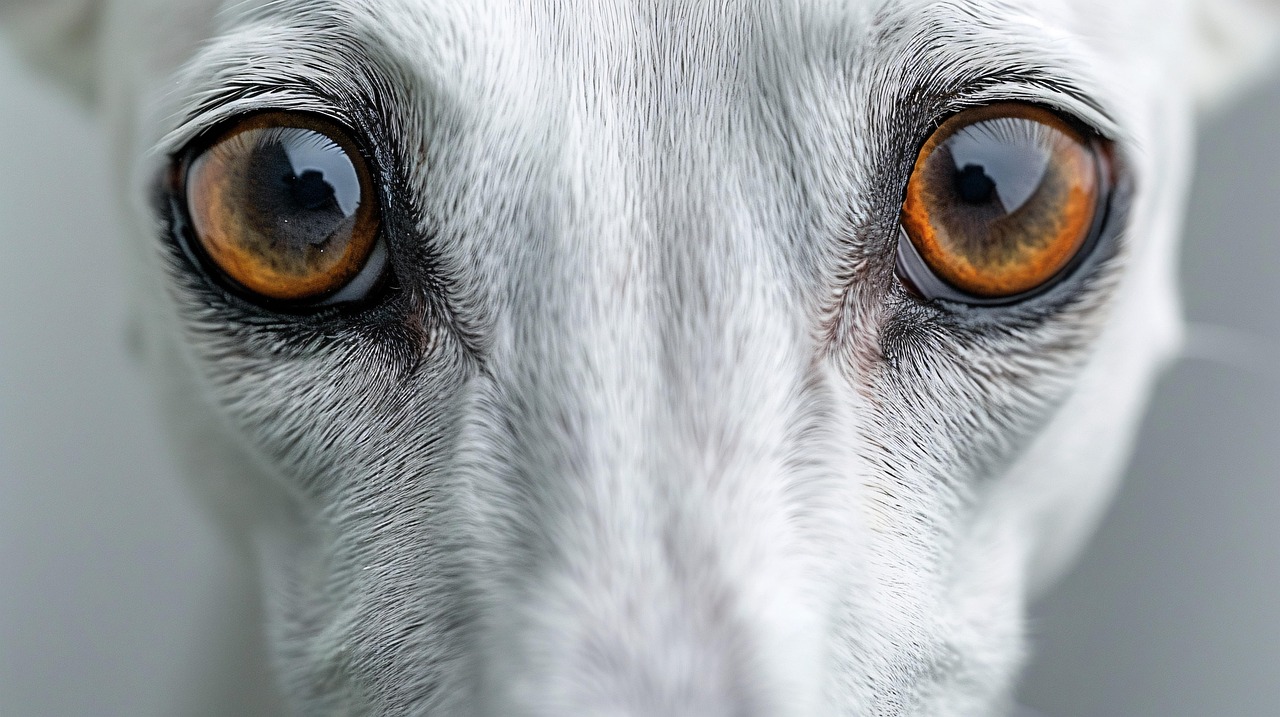

Using Eye Contact to Strengthen the Dog-Owner Bond
One of the most profound ways to establish a connection with your dog is through eye contact. Dogs, much like humans, rely heavily on visual cues. Establishing eye contact can lead to mutual trust and understanding. When you gaze into your dog’s eyes, it can create a feeling of safety, making them more comfortable in your presence. Not only does direct eye contact convey affection, but it also helps to strengthen the bond between you and your dog. It’s essential to maintain a calm demeanor while making eye contact. Aggressive or overly intense stares may frighten your pet, causing more harm than good. Instead, soften your gaze and relax your body language. This will help your dog feel secure, leading to a more robust relationship. However, remember that every dog is unique and might respond differently. Some dogs may need more time to adjust to direct eye contact. Take it slow, gradually building that connection. Thus, eye contact can be an essential tool in dog training, enhancing communication, and creating lasting affection. The time invested in this activity can lead to a happier, more responsive companion.
The Benefits of Eye Contact
Utilizing eye contact as a training tool offers numerous benefits for both dogs and their owners. Firstly, it encourages attentiveness in your dog. When your dog learns to focus on your eyes, they are more likely to pay attention to your commands. This enhanced attentiveness can significantly improve training outcomes, as dogs that engage in eye contact are generally more responsive. Additionally, eye contact helps build a deeper emotional bond. Studies have shown that when dogs and humans look into each other’s eyes, oxytocin levels increase in both parties, fostering attachment. Furthermore, it acts as a calming signal. Dogs that are nervous or stressed can greatly benefit from this form of communication. For instance, maintaining eye contact can help soothe your dog during thunder or fireworks. It’s also beneficial during walks or visits to the vet. This signal can redirect their focus, helping them remain calm. Consistency is key; regularly practicing eye contact can make the interaction even more effective. Thus, making eye contact a regular aspect of your routines can greatly enhance your relationship. This simple act serves as a bridge for better understanding and obedience.
Training your dog to make eye contact is not an overnight task; it requires patience and persistence. Start in a quiet environment where distractions are minimal. Capture your dog’s attention by calling their name or using a clicker. When they look at you, immediately reward them with a treat or praise. This reinforcement encourages your dog to associate eye contact with positive experiences. Gradually increase the length of time you hold their gaze before rewarding them. This practice reinforces the behavior and instills confidence in your dog. If your dog seems hesitant or turns away, avoid pressuring them. Instead, go back to a previous step and allow them to adjust. Once they are comfortable, you can gradually introduce more challenging situations. Practicing in various environments not only strengthens the bond but also builds their confidence. Remember that every small achievement should be celebrated. Celebrate the milestones; each step forward is progress. Integrating these practices during daily activities will make eye contact a natural behavior over time. By reinforcing eye contact during walks and playtime, you’ll create a well-adjusted, responsive, and well-bonded dog.
Eye Contact in Social Interactions
Understanding the role of eye contact in social interactions with other dogs is also essential. Dogs use eye contact as a way to communicate among themselves. When two dogs meet, they often gauge each other’s intentions through their gaze. It is crucial to ensure that your dog engages in appropriate eye contact with other dogs to avoid misunderstandings. Aggressive or overly assertive eye contact can initiate conflicts. Teaching your dog how to use eye contact positively with other dogs helps promote better social skills. During playdates or trips to the dog park, observe how your dog interacts with others. If you notice signs of anxiety or aggression, intervene gently and redirect their focus back to you. You can utilize eye contact to help your dog feel secure instead of overwhelmed. Encourage them to look at you when in the presence of other dogs, helping to build their confidence. Reinforcing positive social interactions with praise when they maintain eye contact can deepen their understanding of social cues. By fostering this behavior, you assist your dog in developing better communication skills with their peers, leading to more enjoyable social experiences.
Eye contact can also significantly enhance your dog’s overall health and well-being. A dog that feels secure is less prone to anxiety and stress. When eye contact becomes a regular part of your routine, your dog learns to interpret your feelings and vice versa. This mutual understanding can lead to fewer behavioral problems, as your dog will be more in tune with your expectations. Furthermore, increased eye contact can enhance your dog’s training sessions. Dogs that feel a connection with their owners during training are often more enthusiastic and willing to learn. Thus, including eye contact in training routines reinforces positive behaviors while establishing a loving connection. The more comfortable your dog is with you, the more likely they will exhibit positive behaviors. Additionally, this practice can also aid in situations that may typically cause fear. Remaining calm and maintaining eye contact when faced with stressful situations can provide a sense of reassurance. As a result, your dog learns that they can rely on you for guidance, which can make them more resilient to stressors in their environment.
Tips to Enhance Eye Contact
To enhance the effectiveness of eye contact, consider several strategies. First, ensure that your dog’s environment is conducive to learning. Limit distractions during the initial training moments to foster focus. Choose a quiet space where both of you can concentrate without interruptions. Secondly, utilize appealing rewards. Dogs respond better to positive reinforcement that excites them, like tasty treats or engaging toys. This encouragement will motivate them to look your way. Thirdly, be patient and consistent. Building this skill takes time, and every dog learns at their own pace. Regular practice sessions will help with retention. Try incorporating eye contact into everyday activities, such as feeding or playtime. Make a habit of encouraging your dog to look at you while they are playing fetch or during walks. By reinforcing the behavior in various contexts, your dog will begin to associate eye contact with enjoyable experiences. Lastly, remember to keep your body language relaxed. Non-verbal communication is key in establishing trust. Ensure your posture is open and inviting, allowing your dog to feel comfortable maintaining that gaze.
Finally, the journey of incorporating eye contact into your relationship with your dog can be immensely rewarding. Both you and your dog will benefit from greater communication and understanding. This simple yet effective tool has the power to transform your interactions, creating a bond rooted in trust and affection. As you enhance your dog’s confidence through consistent eye contact, you’ll witness a shift in their behavior. You may find that they are more eager to engage and respond to commands. The shared moments of connection can elevate your partnership into one defined by collaboration. Not only does eye contact strengthen your bond, but it also contributes to a calmer household. Overall, a dog that feels secure is less likely to exhibit undesirable behaviors. Thus, investing time in this process pays off manifold in the form of a better-behaved and emotionally healthy dog. Embrace the rewarding nature of fostering eye contact as a communication bridge. All pets thrive on connections, and fostering this relationship positively impacts their lives. Make eye contact an integral part of your daily routine, and watch your bond flourish.
Conclusion
In conclusion, using eye contact as a tool not only fortifies the bond between a dog and owner but also enriches the overall experience of pet ownership. Understanding its significance and practicing it diligently can yield incredible results. Enhanced communication leads to a more harmonious relationship and a happier canine companion. If practiced regularly, eye contact will become a natural part of your routine. The investment you make in this simple practice can lead to lasting positive outcomes for both you and your furry friend. You will develop a more intuitive understanding of your dog’s needs, while your dog feels more secure and connected. Furthermore, take note of how your dog responds to this training. As your dog becomes more adept at making eye contact, you will see improvements in their behavior, obedience, and confidence levels. You will also create a pet that is not just well-behaved but emotionally balanced and able to enjoy life fully. Therefore, begin incorporating consistent eye contact into your interactions with your dog today. This will undoubtedly lead to a profound transformation in their behavior and your relationship, ensuring endless affection and loyalty.