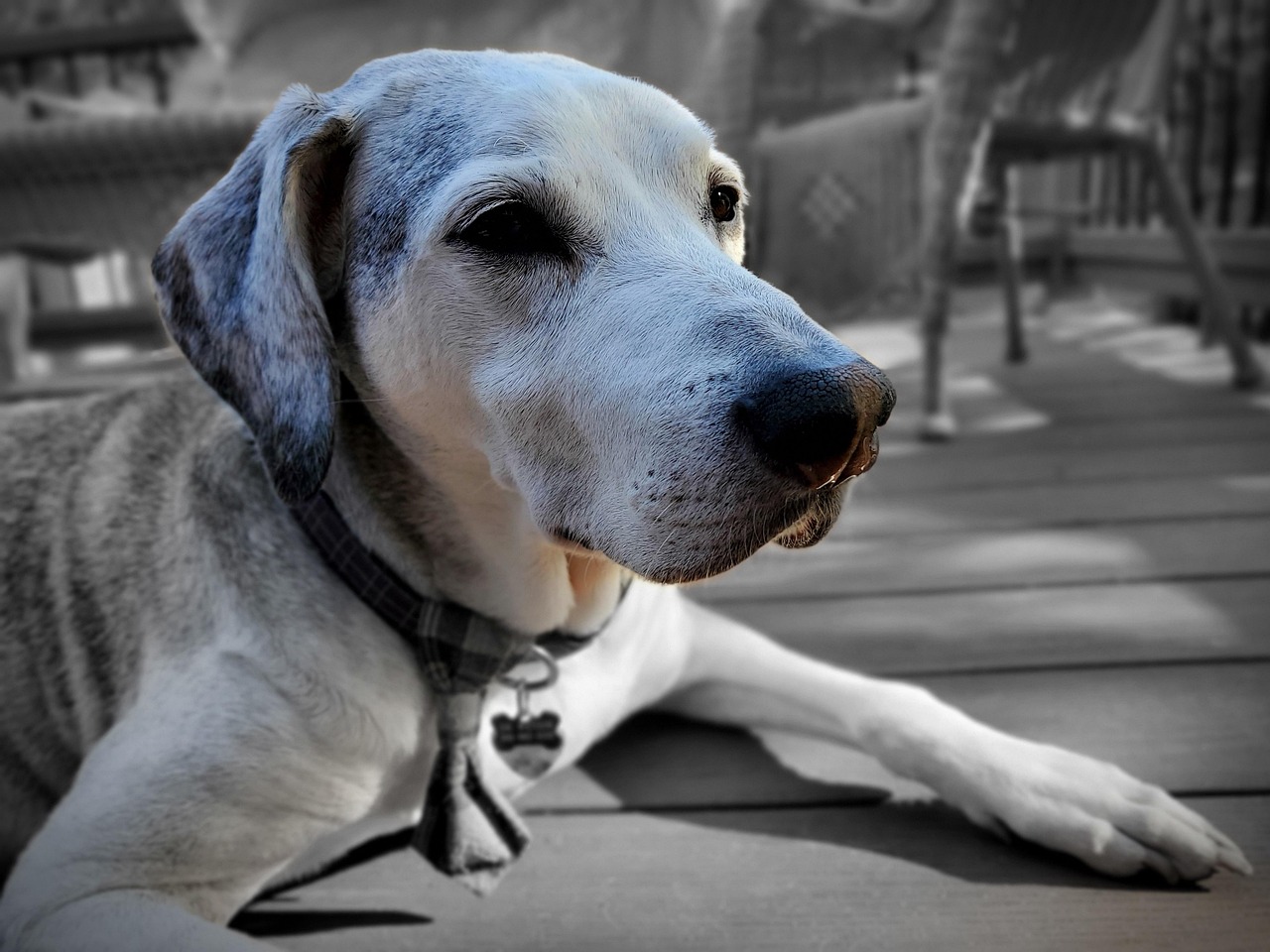

Identifying and Managing Separation Anxiety in Senior Dogs
As dogs age, their behavior often changes significantly due to various physical and mental factors. One critical aspect to consider is separation anxiety, which can manifest in senior dogs prominently. Understanding these changes is essential for pet owners to ensure their furry friends remain happy and healthy. Senior dogs may develop anxiety due to cognitive decline, loss of companions, or altered daily routines. It’s vital to recognize the symptoms of separation anxiety, which may include excessive barking, destruction of furniture, or inappropriate elimination. Owners should observe their pets closely to identify these behaviors and assess how often they occur. When separation anxiety is identified, prompt intervention is necessary. Without appropriate management, the anxiety can worsen, leading to greater stress for both the dog and the owner. Regular exercise and mental stimulation can help alleviate symptoms. Training techniques, such as positive reinforcement and gradual desensitization to alone time, can also be effective. Veterinarians can provide guidance and recommend behavior modification programs tailored to the specific needs of the dog. With the right strategies, pet owners can successfully manage separation anxiety in their senior companions to improve their overall quality of life.
Common signs of separation anxiety in senior dogs can sometimes be subtle or misinterpreted as typical aging behavior. It’s essential for pet owners to differentiate anxiety from regular signs of aging to provide appropriate care. Barking, whining, and howling are vocal signs that may signal distress. Other actions, such as pacing, attempting to escape, or chewing on furniture, could also indicate a dog is anxious when left alone. Some dogs may exhibit changes in appetite or sleep patterns in response to stress. If an older dog suddenly becomes clingy, seeking constant attention when previously independent, this can also signal anxiety. It is also important to monitor changes in bathroom habits, as dogs suffering from severe anxiety may have accidents indoors even when previously house-trained. Keeping a journal can help owners track their dog’s behavior and identify patterns that may point towards anxiety. If these signs are evident, consultation with a veterinarian is recommended. They can rule out potential health issues that may contribute to behavioral changes and provide tailored strategies to manage the pet’s stress levels effectively and compassionately. Early detection is essential for enhancing the well-being of senior dogs experiencing anxiety.
Effective Strategies for Easing Separation Anxiety
Managing separation anxiety in senior dogs requires a multi-faceted approach that incorporates various strategies. First, creating a safe and comforting environment for the dog while owners are away is crucial. Investing in a cozy bed or blanket can provide comfort and familiarity for your pet. Additionally, some dogs benefit from having a special toy that soothes them when they feel anxious. Owners should gradually train their dogs to become comfortable with being alone. Start by leaving the dog alone for short periods and progressively increase the duration as the dog becomes more accustomed. Positive reinforcement, such as treats and praise, can aid in this process. Also, consider using puzzle toys to keep the dog occupied and mentally stimulated while alone. Consulting a professional dog trainer or a behaviorist can enhance your strategy, outdoor walks may help relieve anxiety. Herbal supplements or anti-anxiety medications prescribed by a veterinarian may also help in severe cases. Establishing a routine can provide security, helping senior dogs adjust to changes and possible daily absences from their humans, thus making transitions smoother.
Another vital strategy for mitigating separation anxiety in senior dogs involves enhancing socialization and interaction throughout the day. Engaging and stimulating activities can reduce their anxiety when alone. Regular playtime can strengthen the bond between the owner and the dog while providing the exercise and mental stimulation necessary for older dogs. Strong relationships with other pets can also mitigate anxiety. Having a companion animal may ease feelings of loneliness for senior dogs. Regular visits from friends or family can offer additional social interaction and help condition your dog to feel more secure in the presence of others. Training classes specifically designed for older dogs can also provide valuable skills for coping with loneliness. Many local dog training venues offer group classes where dogs can interact with other pets and people, fostering a sense of community. Owners might also consider hiring a dog walker or pet sitter, providing companionship and exercise when they cannot be home. With careful planning and consistent effort, effective interventions can significantly reduce anxiety levels and enable senior dogs to feel more comfortable and secure when left alone.
Monitoring Health for Behavioral Changes
Health-related issues in senior dogs can significantly impact behavior, often mimicking or exacerbating symptoms of anxiety. Regular veterinary check-ups are vital in detecting potential problems that could contribute to behavioral changes. Pain from conditions like arthritis or cognitive dysfunction syndrome can lead to anxiety or increased sensitivity to being left alone. Keeping a log of your dog’s behaviors can help track changes over time, allowing for timely veterinary visits and targeted interventions. Senior dogs may also be more prone to sensory decline, impacting their comfort levels and response to separation. Adjusting the environment to suit these needs, such as using non-slip mats or providing dim lighting, can help create a safer space for aging pets. Furthermore, cognitive stimulation is crucial; interactive toys that encourage thinking can keep their minds engaged. Diet may also play a role; consult your vet for nutritional supplements that could bolster mental acuity and reduce anxiety. Implementing health checks, observant care habits, and maintaining communication with your veterinarian ensures that emotional and physical health concerns are managed appropriately for holistic care in senior dogs.
Owners should also consider how they react to their dogs’ anxiety as it can impact behavior management. Dogs are highly perceptive and can often sense their owner’s emotions; thus, remaining calm and composed during departures and arrivals is crucial. Avoid dramatic goodbyes and reuniting rituals; instead, minimize the emotional intensity of leave-taking and returning home. Reinforcing positive associations helps; offering treats when leaving or returning fosters a positive experience for your pet. Additionally, altering daily routines can bring consistency to your dog’s life, decreasing anxiety. Creating a predictable schedule regarding feeding, walks, and play can bring assurance to a senior dog’s daily life, making them feel secure. Encourage your dog throughout the day by rewarding good behavior and interactions. Remember that patience is vital; dealing with anxiety in older dogs takes time and may require multiple approaches over several weeks or even months. Be understanding as you both adjust to a routine. Emphasizing this positivity can lead to improved behavior and build a deeper bond between you and your senior dog, enhancing their overall comfort with daily life challenges.
Conclusion on Managing Anxiety in Senior Dogs
Managing separation anxiety in senior dogs is essential for their overall health and happiness. By implementing a combination of strategies such as creating a safe environment, structured socialization, careful monitoring of health, and thoughtful interactions aimed at reducing anxiety can effectively lead to a more relaxed and resilient pet. Recognize the importance of companionship, which is invaluable for older dogs, and explore options for additional interactions when necessary. Establishing routines can also facilitate a smoother transition to alone time, minimizing feelings of distress. Of course, collaboration with a veterinarian can offer insight into therapeutic options, ensuring tailored advice based on individual needs. Finally, maintaining awareness of daily behaviors, changes in health, and environmental influences can empower pet owners to take action. Separation anxiety may be prevalent among older dogs, but solutions are available. With dedicated and informed care by loving pet owners, senior dogs can thrive even while navigating their golden years. Remember to stay patient and compassionate throughout the process, fostering an atmosphere of love and understanding, which helps your furry companion feel secure and cherished despite any anxieties they may face during separation.
Providing consistency and a supportive environment can make a significant difference in the quality of life for senior dogs experiencing anxiety. By creating a plan and actively engaging your pet, you can help them navigate their emotional landscape successfully, improving their overall well-being. Ultimately, managing anxiety effectively is not only beneficial for dogs but also strengthens the bond between the owner and the pet. This heartfelt connection helps create memories that will last, reflecting the beautiful journey of companionship throughout the years. With love, patience, and knowledge, overcoming separation anxiety is achievable, leading to a happier and healthier life for your senior dog.