
First Aid for Low Blood Sugar Episodes in Dogs
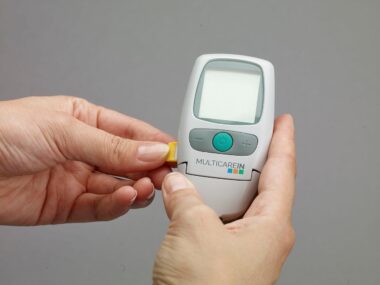
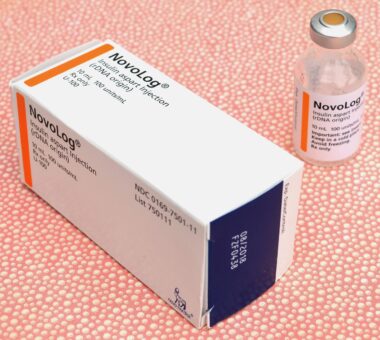
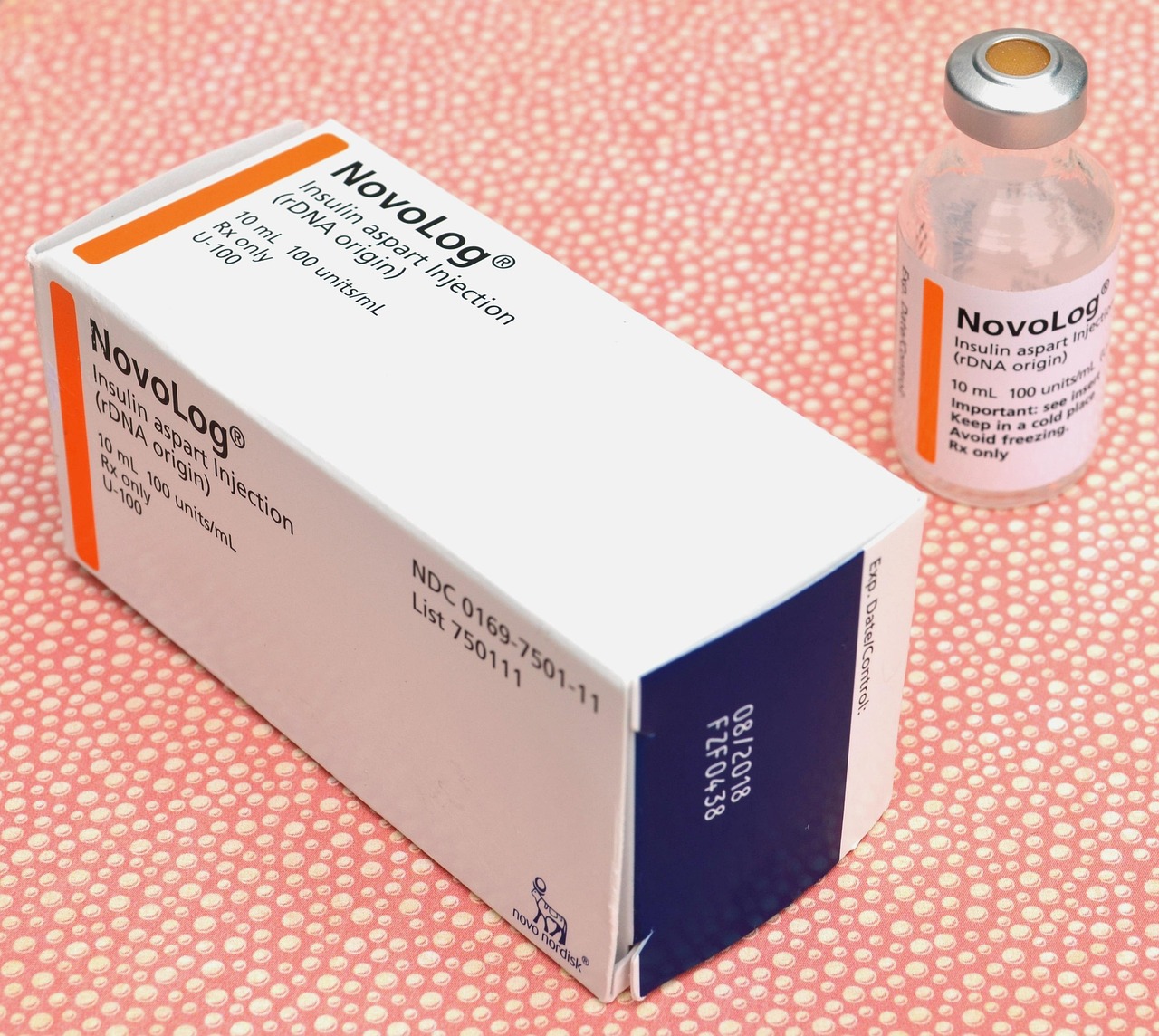
Understanding diabetic emergencies in dogs is essential for pet owners. One of the most critical situations is when a dog experiences low blood sugar, or hypoglycemia. This condition can be life-threatening if not addressed promptly. Symptoms often include weakness, confusion, tremors, or seizures. Always remember that any dog with a diabetes diagnosis can suffer from low blood sugar episodes due to missed meals or excessive insulin administration. Pet owners must recognize these signs early, as quick action can prevent serious consequences. A common method is to check their blood glucose levels if you have a monitoring device at hand. Keeping your dog’s insulin and other medications organized will greatly help you respond faster. As a dedicated pet parent, it’s crucial to have emergency supplies handy. This way, you can ensure your furry friend receives immediate care if needed. Additionally, familiarizing yourself with emergency veterinary contacts can save valuable time during a crisis. Never underestimate the importance of understanding hypoglycemia and how to prevent it effectively. Make low blood sugar awareness part of your dog care routine. With timely recognition and appropriate actions, many low blood sugar incidents can be effectively managed.
When encountering a low blood sugar episode in your dog, act quickly. Begin by ensuring the dog is safe and confined to a secure area. Check for any immediate dangers like stairs or sharp objects that the dog may fall against. Try to keep the dog calm, as stress can worsen their condition. A desirable first step is to administer a source of sugar or carbohydrates. Options may include corn syrup, honey, or even cake icing. Simply rub some on the dog’s gum line, as this action promotes fast absorption. If your dog is unable to swallow, avoid giving them anything orally to prevent choking. Most importantly, stay vigilant for any worsening symptoms such as loss of consciousness. When symptoms appear severe or do not improve within 15 minutes, seek professional veterinary help. Remember that while these home remedies can save a moment, they don’t replace professional care. After stabilizing the dog, consult your veterinarian for further steps. Regular veterinary follow-ups will help in understanding your dog’s diabetes management plan. Overall, knowing how to respond will empower dog owners significantly when facing diabetic emergencies.
Recognizing Symptoms of Low Blood Sugar
Recognizing the signs of low blood sugar in dogs is crucial for effective first aid. Common symptoms include lethargy, trembling, uncoordinated movements, and excessive drooling. If you notice any of these signs, immediate action is paramount. Your dog may also appear confused or irritable, which can lead to unusual behavior. You should be aware that some dogs may even exhibit seizures during severe hypoglycemic episodes. Monitoring your dog’s eating habits and ensuring they receive consistent meals can help minimize risks. Keeping an eye on your furry friend’s energy levels before and after physical activity is also important. Before taking your dog on a run or engaging it in play, be sure they have ample refuel from a meal. If your dog has recently consumed too much exercise or missed doses of insulin, be cautious about potential severe reactions. Engaging with your veterinarian about adjusting the correct diet and proper medication can provide further insights about diabetes management. Early detection is essential to ensure your beloved pet remains healthy and active. When low blood sugar appears, knowing the right steps can save their life.
Upon noticing low blood sugar symptoms, your primary goal is to stabilize the dog. If the situation continues to worsen, take immediate steps toward emergency care. As mentioned, providing sugar is the first action, but timing is everything. Always ensure you have easy access to sugar sources mentioned previously. In some cases, dogs may react positively to a quick availability of glucose. If symptoms haven’t improved within 15 minutes, take your dog to a veterinarian. It’s vital not to wait for symptoms to dissipate. Emergency clinics are better equipped to handle severe cases and may conduct more thorough evaluations. They could perform blood tests and administer intravenous fluids if necessary. Remember that early veterinary attention can make all the difference in recovery outcomes. Instead of delaying actions, prioritize your dog’s health by securing prompt assistance. Also, consider creating a diabetes management plan with the professional that suits your dog’s unique needs. Additionally, encourage support groups for diabetic pets, which can help identify others’ firsthand experience. Debriefing after emergencies with family members can help clarify what was effective and how to preempt future occurrences.
Preventive Measures for Diabetic Dogs
Implementing preventive measures can greatly reduce the risk of low blood sugar episodes in diabetic dogs. Start with regular feeding schedules that keep to consistent meal times, which prevents fluctuations in blood sugar levels. Always ensure that your dog eats a balanced and appropriate diet suggested by your vet. Regular exercise is also crucial; however, it should be tailored to your dog’s specific condition to avoid overexertion. Establish a routine for monitoring their health regularly, including weight and activity levels. When significant changes occur, consult your veterinarian without hesitation. Furthermore, train your dog to recognize signs signaling they may need assistance. This will may further ease difficult situations. Keeping emergency supplies such as glucose or dextrose on hand can facilitate rapid first aid responses when needed. In addition, maintaining regular veterinary appointments can help in adjusting any medications or dietary needs that address your dog’s diabetes effectively. Communication is key—make sure all family members understand emergency protocols associated with low blood sugar events. Through diligent care and education, dog owners can significantly reduce the chances of dangerous diabetic emergencies.
When dealing with diabetic emergencies, it’s vital to communicate effectively with your veterinarian. Regular follow-ups are crucial for monitoring your dog’s progress, including assessing their blood glucose levels frequently. When adjusting medications, ensure to relay any concerns you experience during emergency scenarios clearly. Discussing these aspects can help your vet tailor a management plan that suits your dog’s individual needs. Always make an effort to educate family members on recognizing symptoms and first aid response. Engaging with pet diabetes communities online can provide additional informative resources, and sharing experiences can be enlightening. New methods for managing diabetic pets may become available through peer interactions, providing you with fresh insights. Save valuable time during emergencies by ensuring each family member knows basic first aid protocols thoroughly. In an age where technology allows quick access to information, consider using apps dedicated to chronic illness management for dogs. These can help keep track of your medications and scheduled check-ups. Ultimately, being proactive and well-informed will significantly enhance the care you can provide your dog during emergencies. Understanding diabetes in pets is a shared responsibility and ensures all family members contribute to your dog’s well-being.
Conclusion and Long-term Care
In conclusion, preparing for low blood sugar episodes in diabetic dogs requires knowledge and diligence. Always be aware of the symptoms and the critical response steps necessary. By implementing a detailed care regimen, you can help significantly reduce the risk of emergencies. Vital information should not just be confined to the pet parent but shared among family members. Frequent communication with your vet will enhance your understanding of your dog’s specific needs. Furthermore, keeping an updated care plan will help provide clarity during any crises, which promotes confidence in owners. Have a structured system prioritizing the importance of regular check-ups and dietary needs. Whenever possible, learning about new management techniques can enhance your dog’s quality of life. Engaging in an open conversation with your veterinarian about your concerns can help address challenging scenarios. Keep a close watch on your dog’s behaviors and listen to their needs. With diligent care and proactive measures, many dogs lead healthy lives despite diabetes. Always prioritize your dog’s health; your commitment and love can help navigate through various challenges. In essence, proper management allows your furry friend to thrive despite their condition. Every moment spent together is precious.