
The Role of Protein in Feline Nutrition
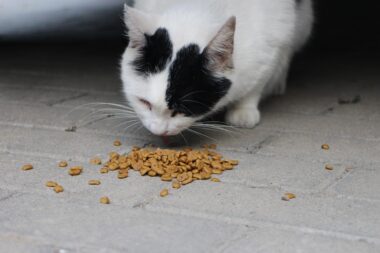
Protein is essential for feline nutrition, playing a vital role in the overall health and well-being of cats. Though often considered just a dietary necessity, it serves multiple crucial functions within their bodies. Cats are obligate carnivores, meaning they must consume animal-based protein to thrive. Their bodies efficiently utilize these proteins for several critical processes including growth, maintenance, and energy production. The amino acids found in protein fulfill many metabolic roles, serving as building blocks for tissues and enzymes. Insufficient protein intake can lead to serious health issues, affecting everything from muscle mass to organ function. Felines particularly need specific amino acids like taurine, which are vital for heart health, vision, and reproductive functions. Consequently, pet owners must ensure that their cat’s diet provides adequate protein from high-quality sources. This can include meat, fish, and specially formulated cat foods, each designed to meet feline nutritional needs. Always consult your veterinarian when considering dietary changes, especially when introducing supplements or different protein sources, to ensure your cat remains healthy and happy.
Besides amino acids, protein sources are also vital for cats’ energy requirements. Unlike humans who can derive energy from carbohydrates, cats rely predominantly on protein and fat consumption. Consequently, good sources of protein can power a cat’s daily activities and maintain their energy levels. It’s essential to understand that not all proteins are equal; proteins derived from animal sources are usually more beneficial when compared to plant-based proteins. This disparity arises because animal proteins provide all essential amino acids in ideal ratios. Furthermore, knowing the protein percentages in commercial cat foods helps pet owners make informed choices about their cat’s diet. Generally, a diet containing at least 25-30% protein is recommended for adult cats, ensuring they meet their nutritional needs. Puppy formulations can have even higher protein requirements during their growing stages. While high protein is essential, balance is essential because excessive protein can have pitfalls. Overloading on protein may strain a cat’s kidneys, causing health issues over time. Thus, maintaining a balanced diet containing appropriate protein levels is crucial for long-term feline health.
Importance of Protein Quality
Not just the quantity, but also the quality of protein in feline diets cannot be overlooked. The digestibility and nutrient content of various protein sources substantially affects how well a cat can utilize what they’re consuming. High-quality proteins, typically derived from animal sources, are more readily digestible, ensuring that cats receive all essential nutrients without excessive waste. This digestibility translates into better health outcomes as optimal protein absorption means fewer health issues in later years. Ingredients such as chicken, turkey, or fish tend to offer better overall quality compared to lesser-quality fillers often found in lower-priced commercial cat foods. Proteins should also be complemented with proper vitamins and minerals for maximum effectiveness. For instance, B vitamins coupled with the right amino acids enhance metabolic functions, ensuring a healthy feline life. When analyzing cat food labels, look for named meat sources as the primary ingredient. This ensures that you’re providing the highest quality of protein possible for your feline friend. Focus on understanding the ingredient list to guarantee appropriate protein sources, leading to better health and vitality.
Transitioning to proteins rich in animal sources becomes particularly important in older cats. As cats age, their protein requirements may differ based on health conditions. Some may require dietary adjustments, making high digestibility proteins even more essential for their well-being. These high-quality proteins can help combat age-related muscle loss, also known as sarcopenia, helping to maintain strength and mobility. Regular vet visits become crucial as older cats will benefit from tailored diets to ensure adequate protein intake to support their aging bodies. By adhering to feeding guidelines and keeping track of their physical condition, pet owners can monitor how well their cat is adapting to dietary changes. Additional protein may need to be introduced slowly to regulate their new feeding routine. Moreover, keeping an eye on hydration, especially for dry food options, can optimize health outcomes. This extra care ensures older felines benefit from a protein-rich diet while addressing specific dietary needs that come with aging. In essence, paying attention to protein quality and quantity allows for a long, healthy life for older cats while ensuring they continue to thrive.
Protein Needs at Different Life Stages
Feline protein needs vary substantially based on life stages, impacted by factors such as age, activity level, and overall wellness. Kittens require much higher protein levels compared to adult and senior cats, as they rely on proteins to grow and develop muscles, organs, and immune functions. As they transition into adulthood, protein needs stabilize but remain relatively high; therefore, feeding high-quality cat food rich in protein becomes pivotal. Adult cats, especially those that are active or involved in regular play or exercise, greatly benefit from a protein-rich diet for optimal energy levels and muscular health. On the other hand, senior cats may need adjusted protein intake but it may not always be lower in quantity. While senior cats may have slightly different energy needs, they often require sufficient protein to prevent muscle loss or sustain weight loss. Customizing protein levels based on life stages fosters better health outcomes for feline friends as they transition through their various growth periods, underscoring the need to discuss diet specifics with veterinarians.
It is increasingly common to explore alternative protein sources in pet nutrition, influenced by trends such as veganism among humans. However, it’s crucial to note that cats, being obligate carnivores, require specific nutrients that plant proteins often cannot provide. Vegetarian or vegan diets might not offer sufficient essential amino acids, such as taurine and arginine. Such deficiencies can become detrimental to a cat’s health. Additionally, a reliance on plant sources could lead to further imbalances in other nutrients. References to vegan diets for cats should be approached cautiously; consulting with a veterinarian before making any drastic changes to your cat’s diet is vital. If you’re considering alternative diets, do thorough research to weigh potential risks and benefits. It’s often best to stick with protein sources that ensure your cat receives complete nutrition, such as meat, fish, and other high-quality animal products. Ensuring a balanced diet guarantees that your cat remains healthy, energetic, and free from dietary deficiencies that could affect their well-being. Feline nutrition should always prioritize animal-based proteins to secure their natural dietary needs.
The Bottom Line on Feline Protein
Conclusively, protein plays an integral role in feline nutrition, impacting their health and longevity significantly. With the right levels of high-quality protein, owners can set their cats up for a robust lifestyle, filled with energy and vibrancy. An abundance of nutrients procured from high-quality animal proteins leads to overall well-being for our furry companions. Understanding the significance of protein balances, recognizing the efficacy of certain protein sources, and adjusting for dietary needs at different life stages creates a solid foundation for feline nutrition. Careful assessment of dietary intake accompanied by veterinary guidance ensures all the nutritional bases are covered while minimizing potential health risks. It also becomes vital to implement a routine evaluation of their diet to keep pace with their growth, aging, and lifestyle changes. The focus should always be on providing balanced, natural options that adhere to their carnivorous nature. As you strive to nourish your cat, prioritize proteins that promote optimal health, ensuring that each meal contributes positively to their vitality. With conscientious choices in nutrition, your cat can lead a long, happy, and healthy life.
To sum up, feline health starts with optimal nutrition, with protein being a cornerstone of their dietary requirements. As owners, understanding the importance of proper dietary choices fosters a healthier life for our beloved cats. We can nurture them to live fulfilling lives by giving them the right protein sources and remaining aware of their changing needs through each stage of life.