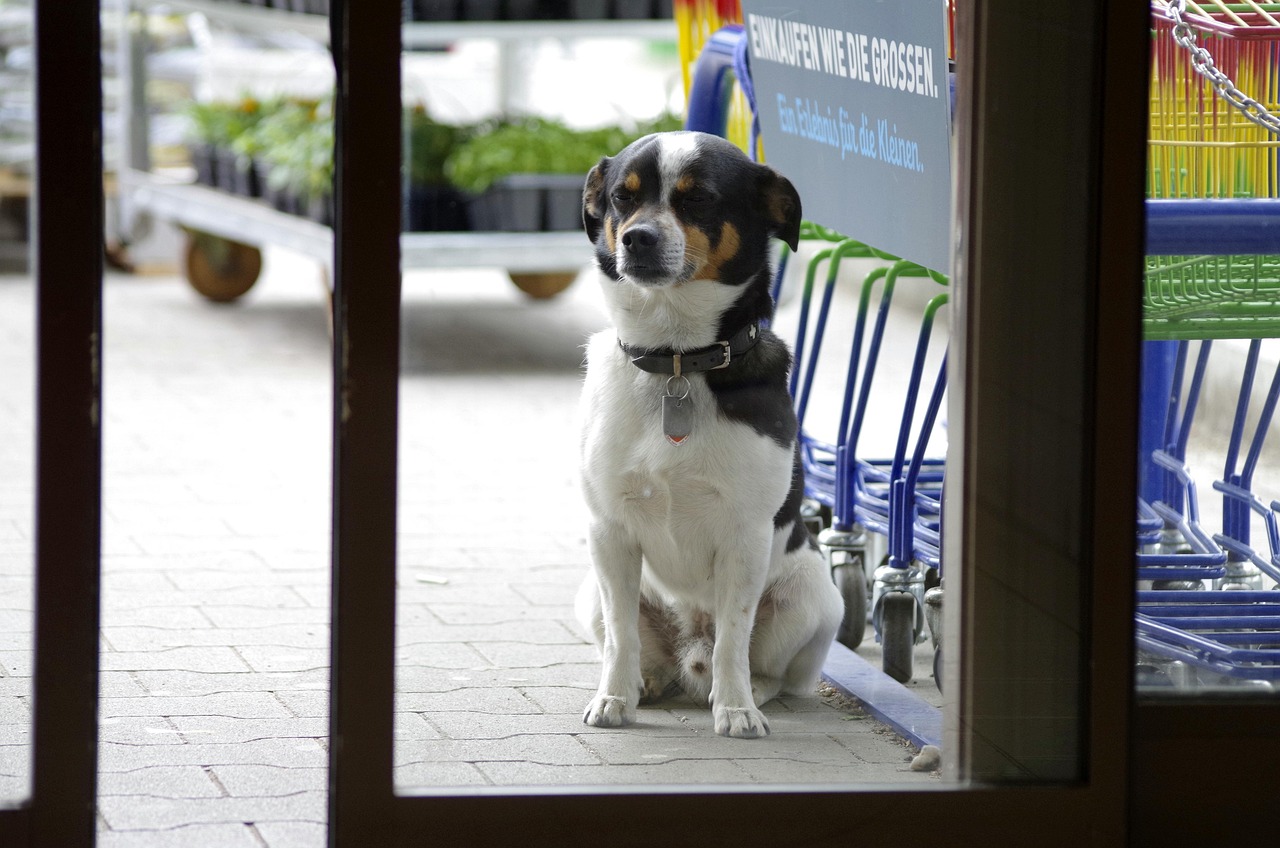

Step-by-Step Training: Teaching Your Dog the Wait Command
Training your dog the wait command is essential for ensuring safety and good behavior. This command can keep your dog in a safe position while giving you the opportunity to prepare for various situations, such as opening the door or serving food. To begin this task effectively, start in a distraction-free environment. This will allow your dog to focus solely on your commands. You may wish to use treats as a training incentive. Positive reinforcement is key to engaging your dog and helping them understand what you expect from them. Begin by having your dog sit, and then clearly state the command “wait.” Holding a treat in front of their nose while you begin moving away will help your dog associate the command with remaining stationary. Remember to keep sessions short yet productive. Successful training will often consist of multiple repetitive sessions, allowing your dog to grasp the command better. Always celebrate and reward any small achievements promptly. This method builds their confidence and ensures they are eager to learn. Patience is important as every dog learns at its own pace, and consistency will lead to lasting results.
Once your dog begins to grasp the wait command, it’s essential to gradually increase the level of challenge. This includes introducing distractions and varying the environment. Start by having a friend or family member walk close by while you command your dog to wait. This step involves an additional layer of obedience as they notice other people moving. Reward any successful adherence to the command. You can also practice during moments of everyday life, during mealtime or when someone enters your home. Incorporating these real-life situations into your training routine makes the wait command more applicable. Use a clicker or verbal cue to mark the behavior you want to reward. Progressing with the difficulty may help the dog learn self-control. Start at short distances and gradually increase the distance while maintaining their focus. Monitoring your dog’s body language is crucial. Signs of impatience might indicate that you need to adjust your training duration or switch up your approach. Keeping training sessions positive and engaging will help avoid mental fatigue. Every small victory counts, and adjusting expectations will lead to a more solid understanding over time.
Implementing the Wait Command in Daily Situations
Integrating the wait command into everyday tasks can illustrate practical uses of what your dog has learned. For example, you might employ this command before meals. By having your dog sit and wait patiently, you will be teaching them to associate calm behavior with meals. This will naturally help diminish anxious behaviors that dogs may exhibit when food is present. Likewise, try reinforcing the wait command before leaving and entering doorways. Requesting that your dog wait at doors can prevent rushing out into unknown environments, which is often dangerous. Consistently practicing this command will not only enhance your dog’s understanding but also strengthen your bond through consistent interaction. Additionally, other situations like waiting in cars can be practiced effectively. Place a leash on your dog, command them to wait, and reward them when they maintain their position while you handle the car door. Each of these scenarios reinforces the wait command, making it a fundamental lesson that strengthens obedience. Start integrating these elements into your training, ensuring you maintain positive dynamics and provide ample rewards for compliance throughout the process.
Regular practice of the wait command can contribute to a well-rounded training routine. Dogs thrive on structure and boundaries, so establishing consistent expectations while reinforcing this command is essential. Incorporate regular review sessions throughout the week to solidify your dog’s understanding of the command. Consistency is crucial; practicing the command in various locations helps generalize what your dog has learned. Be sure to maintain a balanced approach that incorporates both fun and serious training elements. Keep an eye on your dog’s progress and adjust the complexity of tasks based on their performance. For instance, while they might be successfully waiting in quiet environments, try transitioning to busier locations as they build confidence. Incorporate additional commands to enhance participation, creating a more enriching learning experience. Be patient throughout the training process, as dogs will have varying degrees of ability in retaining commands. Combined with frequent positive reinforcement, your patience will pay off. Turn training time into quality bonding moments, allowing your dog to thrive in its ability to understand your commands while feeling secure in their obedience.
Tips for Effective Training
When training your dog the wait command, certain tips can enhance effectiveness. First, always remain calm and assertive during training sessions. Dogs are perceptive to their owners’ emotions, so maintaining a relaxed demeanor helps promote an environment conducive to learning. Use clear and consistent cues when issuing commands, as this will help your dog associate specific words with actions. Furthermore, consider the timing of your rewards. Reinforcing immediately after successful compliance helps reinforce the connection in your dog’s mind, contributing to quicker learning. Monitor your dog’s energy levels and avoid long sessions, which can lead to frustration. Keeping them engaged during training is key. If your dog appears distracted or restless, it’s best to switch tactics or take a break. Utilize a variety of rewards to keep their interest, whether that’s praise or food treats. Additionally, work with your dog during their peak energy times. Understanding their natural rhythms will assist you in scheduling training to be more beneficial. Lastly, don’t hesitate to seek guidance through dog training classes if needed; professional training can offer you additional tips and strategies to enhance your approach.
It is important to celebrate milestones, no matter how small, during dog training. Recognition helps solidify your dog’s accomplishments, improving motivation to continue learning. Set clear, achievable short-term goals to measure progress effectively. If the dog successfully waits for brief moments, rejoice in those victories, and gradually extend the time they hold the command. Consistently following up by providing rewards will reinforce these achievements positively. This process encourages your dog to think of this command as not only a task but also a fun aspect of their routine. Have a designated training space where your dog knows it is time to learn; consistency in setting locations helps create familiarity and makes transitions easier. Always ensure your training routine accommodates the dog’s comfort, particularly if they show signs of stress. Adjust speed, pace, or unpredictable distractions based on their feelings; flexibility is integral to successful training. Your dog’s emotional well-being is just as important as mastering commands. The wait command can serve as a useful skill that benefits you both, allowing your dog to thrive. Make sure to weave it seamlessly into everyday activities with love, care, and patience.
Conclusion and Continued Learning
As you continue training your dog on the wait command, remember that this journey fosters a stronger connection between both of you. Ongoing practice will yield long-lasting benefits beyond simply knowing the command. This skill will enhance your dog’s safety in various situations, ensuring they remain obedient during encounters. Your commitment to consistent training will deepen mutual understanding, making future learning experiences smoother. Stay adaptable and open to feedback; adjusting techniques can often be beneficial based on what works best between you and your dog. Training doesn’t end with one command; consider exploring additional commands and reinforcing the lessons learned from the wait command. Engaging in regular training enables your dog to acquire new skills while strengthening overall behavior. Maintaining a fun atmosphere during training should always be a priority. Enjoy your time together and allow mistakes to be valuable learning opportunities. Celebrate successes, big or small, and remain patient while watching your dog progress. With dedication and love, your efforts will pay off, leading to a well-behaved, happy companion who understands the importance of waiting when necessary.
With thoughtful dedication and consistent practice, the wait command will become second nature for your dog. You will be amazed at how quickly dogs can adapt when they perceive a clear routine filled with rewards and understanding. The satisfaction of watching your dog thrive with a firm grasp of commands like wait is immeasurable. This positive relationship through training will allow you to face new challenges together, building confidence in your skills as a responsible dog owner. Anytime your dog displays understanding or patience from the wait command, reinforce that behavior immediately. Good behavior while waiting can turn into a magnificent learning experience for both of you. This command doesn’t just teach compliance; it nurtures qualities like patience, respect, and connection. As you both flourish through this ongoing training process, you will notice these attributes positively influence your dog’s behavior in other areas. Embrace the process, and remember the importance of approaching training with joy. Always focus on maintaining a balanced and loving relationship with your companion. Safe practices with effective training will allow your dog to enjoy the fruits of knowing the valuable skill of waiting.