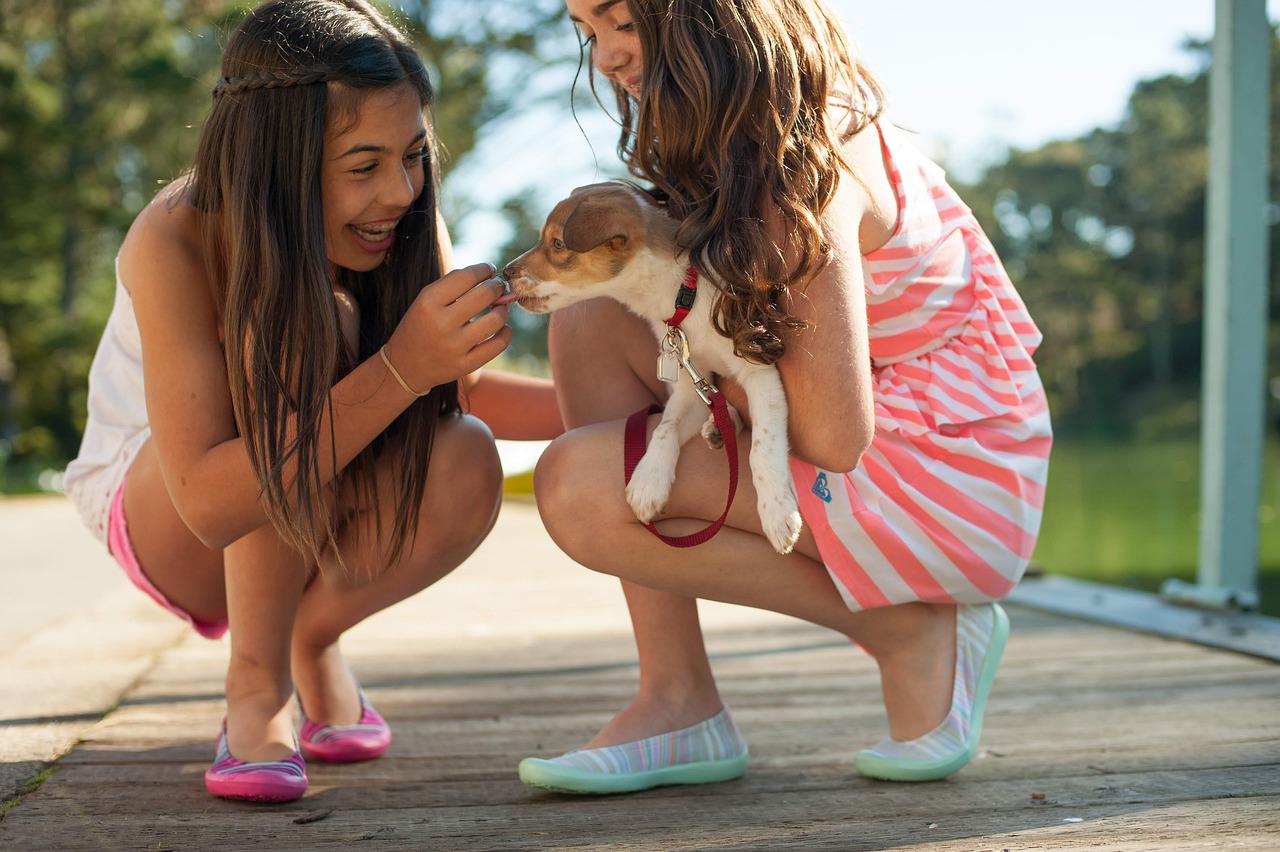

Creating Safe Playdates for Your Dog
Dog socialization is an essential aspect of canine development, helping your furry friends learn how to interact properly with other dogs. Creating safe playdates can enhance these skills. Before setting up a playdate, consider the temperaments of each dog involved, as it’s crucial for the well-being of all. A shy or aggressive dog may not handle direct interactions well. First, ensure the chosen playmate is friendly and well-socialized. Choose a neutral location, such as a park, where they have room to move without feeling cornered. Monitor the dogs closely for signs of discomfort during their initial meet-and-greet. Use positive reinforcement to reward desired behaviors. Observe how they interact and adjust accordingly. If play becomes too rough or overwhelming, have a backup plan in place. This could include the use of leashes to separate them temporarily and a chance to calm down. It’s also beneficial to schedule these playdates during cooler hours to prevent overheating, especially in warmer months. Keep in mind, the goal is fostering healthy relationships while prioritizing the safety of every dog involved. In the end, a well-planned playdate can be enjoyable for both dogs and their owners.
Choosing the right environment is essential for a successful dog playdate. Look for enclosed spaces so dogs can run freely without the fear of escaping. Supervised areas allow for better management. These locations should also be free from distractions that can cause excitement or anxiety. Excessive noise, unfamiliar smells, or many people can increase stress levels for your dog. Make sure to bring plenty of water to keep them hydrated. Offer treats as incentives to encourage good behavior and reinforce a positive experience. Bring each dog’s favorite toys, which can facilitate shared play and interaction. However, be cautious about introducing toys that can lead to possessiveness. Dogs often react differently to new toys, and it can cause conflict. Additionally, familiarize yourself with body language cues, such as raised hackles or tucked tails, indicating discomfort. It’s crucial to intervene early if you spot these signs. If the atmosphere feels tense, opt for short introductions to allow proper acclimatization. Each interaction must be productive for both dogs, so remain patient. Over time, consistent socialization will help them grow more comfortable in different settings, leading to happier and well-rounded pets.
Assessing Canine Behavior
Understanding canine behavior is vital in creating safe playdates. Each dog has its own personality, which affects how they engage with others. Pay close attention to both vocalizations and body language to gauge comfort levels. Friendly dogs may exhibit playful barks or wagging tails, while others might display aggression through growling or stiff body postures. Always keep safety at the forefront; it’s advisable to introduce dogs one-on-one before allowing them to play together in larger groups. This controlled introduction helps to prevent misunderstandings. It is essential to possess basic knowledge of dog behavior. Every dog has different boundaries and likes or dislikes. Recognizing these traits allows for a more tailored playdate experience. Consider engaging a professional trainer or behaviorist, if unsure. They can provide insights into specific dog breeds and recommended socialization strategies. In addition, it benefits you to understand when a dog is overstimulated. If a dog seems stressed, it’s vital to provide a break before further interaction. Adopting a calm and clear approach helps everyone manage emotions in high-stress situations. Remember, the aim is to foster positive experiences for a happy playdate.
Gradual introductions during playdates can significantly enhance the socialization process. Implementing slow and steady meet-and-greets between dogs builds trust. It minimizes the risk of negative encounters. Start with a sniff test, allowing them to assess each other’s scents, establishing comfort levels naturally. Use barriers, such as fences or gates, to keep them apart initially while they become accustomed to one another’s presence. Once they seem relaxed, gradually bring them closer together. Avoid rushing this process; sometimes, it takes time for dogs to warm up to one another. Break threats by using distractions, such as toys or treats, to maintain a calming atmosphere. Redirect energy into a game, which can further enhance bonding. Furthermore, maintaining a consistent routine can help dogs feel more secure. Regular playdates on a set schedule allow them to anticipate interactions. Whether it’s weekly or bi-weekly, this habit builds excitement for upcoming playdates. On the other hand, avoid putting all pressure on the dog immediately; allow ample time to adjust while providing positive reinforcement throughout their interactions. This creates a friendly environment, leading to fruitful socialization during playdates.
Setting Ground Rules for Playdates
Establishing ground rules is critical in safe dog playdates. Both dogs should be on a consistent set of guidelines to minimize friction. As the pet owner, clarify what behaviors are acceptable and what aren’t beforehand. Set clear expectations for each dog’s behavior that’s conducive to fun and enjoyment. Ensure that all involved participants are aware of these rules, including monitoring aggressive behaviors, disruptive barking, and excessive stealing of toys, which could lead to confrontations. For instance, if one dog becomes overly excited or aggressive, have a plan in place to separate them instantly. Regular breaks during play sessions can also help cool off tempers, allowing dogs time to regroup and refresh themselves. Realistically, it’s also crucial to communicate with other dog owners pre, during, and post-playdate. Discuss observations about the dogs’ interactions, which can foster a more comprehensive understanding of each dog’s behavior. Share any concerns and plan for future adjustments accordingly for improvement. Lastly, ensuring all dogs are up to date on vaccinations protects their health during interactions, giving you peace of mind and enhancing safety measures.
Executing a successful playdate also requires post-playdate reflection. Think about all interactions, noting moments when interactions succeeded or failed. After each playdate, take a moment to evaluate the behaviors exhibited by both canines. This reflection is valuable for creating a better experience in future encounters. Should there be any issues observed, it’s beneficial to address these right away, perhaps by tweaking the processes or rules followed. If either dog seemed distressed or encountered problems in their dynamic, consider discussing these with a trainer or behaviorist to help navigate those challenges. Additionally, providing positive reinforcement at home can enhance your dog’s experiences. This could mean extra playtime or special treats to affirm their good behaviors during the playdate. Helping your dog connect positive feelings to these outings can encourage good habits in the future. Remember, not every playdate may go smoothly, and it’s entirely normal. Your canine’s development will include ups and downs, and learning moments. The ultimate goal is to ease their social anxieties while fostering enjoyable experiences that build confidence when interacting with other dogs.
Conclusion: Consistency is Key
In conclusion, creating safe playdates for your dog focuses on consistent routines, ongoing assessments, and clear boundaries. By understanding each dog’s behavior, you can develop a much more cohesive environment for effective socialization. Canine friendships can dramatically enrich their lives, providing confidence and teaching critical social skills when done correctly. Therefore, investing time in preparing for these interactions will yield significant benefits. Your commitment to providing consistent environments will greatly enhance the chances of successful dog playdates. Planning and executing these gatherings with care will help your dog develop into a well-adjusted, sociable pet over time. Building relationships among dogs differs; however, each positive encounter leads to lasting bonds and cherished memories. Prioritizing your dog’s needs, alongside understanding each playmate’s unique temperament, fosters wonderful connections. Remember that trial and error is part of the process as you navigate through different social interactions. Stay vigilant, patient, and observant with each new playdate. Adjusting as needed and maintaining an open dialogue with fellow dog owners ensures all participants feel safe. With diligence, you will cultivate enjoyable dog playdates that both canines and owners cherish.