
Recognizing and Treating Skin Conditions During Grooming
Grooming show dogs is more than just an aesthetic process; it involves ensuring the health and well-being of canines. Among the key concerns are skin conditions, which can greatly affect a dog’s appearance and comfort. Being aware of common skin issues such as allergies, infections, or parasites helps groomers provide better care. Groomers should regularly perform thorough examinations during grooming sessions to detect any abnormalities, which may include dryness, redness, or scaling. Recognizing these signs early can prevent discomfort and more severe problems down the line. Additionally, educating owners on proper skin care at home is essential. A proper grooming routine not only maintains a dog’s coat but also promotes healthy skin. Providing tips for hypoallergenic shampoos or using moisturizing products can significantly help dogs with sensitive skin. It’s essential to keep the grooming area clean and use sanitized tools. The right grooming supplies can make a difference. Groomers should ensure they are familiar with different coat types and recommended products. Individualized approaches considering the unique needs of each breed enhance the overall grooming experience. Keeping communication open with dog owners about their pet’s skin health requirements is vital.
Common Skin Conditions to Look For
When grooming show dogs, understanding potential skin conditions is vital. One frequent problem is allergic reactions caused by environmental factors or food. Symptoms can manifest as itching, redness, or hot spots on the dog’s skin. Dermatitis, which can develop due to contact with irritating substances, is another consideration. Identifying inflammation in affected areas is essential. Additionally, infections, both bacterial and fungal, may arise in areas of trauma or moisture. Groomers should be trained to spot unusual odors or discoloration as these can signal underlying infections. Never ignore a dog’s scratching; it may be more than just an itch. Groomers must be proactive by asking owners about any recurring skin issues. It’s also important to evaluate the effectiveness of grooming techniques. Some brushing methods may inadvertently irritate sensitive skin. Grooming tools, such as clippers or brushes, should be suitable for the dog’s coat type to prevent unnecessary damage. Keeping the fur clean and free of debris reduces the risk of skin issues. After grooming, recommending follow-up care solutions can help prevent conditions from worsening between appointments. Regular veterinary check-ups should also be encouraged to ensure overall skin health.
Furthermore, parasites like fleas and ticks can lead to significant skin irritations. Regular checks for fleas during grooming appointments are crucial, especially during warmer months when these pests are most active. Groomers should be able to identify flea dirt and signs of infestation. Likewise, ticks can cause severe reactions and should always be removed promptly. Using flea and tick prevention products can be incredibly beneficial for show dogs. Educating pet owners about parasite prevention is part of responsible grooming. Additionally, skin conditions may arise from hormonal changes or parasites in overall health; hence owners must maintain regular vet visits. Another prevalent issue is seborrhea, characterized by flaky skin and an oily coat. This condition requires particular shampoos to help control scaling and grooming techniques tailored to the dog’s needs. Incorporating hydrating washes or conditioners can lead to a more refreshing coat. Groomers should work closely with owners to devise an effective grooming plan considering these potential conditions. Keeping a detailed record of each dog’s grooming history can aid in spotting patterns. It helps evaluate the effectiveness of various approaches over time and adapt accordingly.
Recommended Grooming Products
Choosing the right grooming products is essential for maintaining skin health in show dogs. The selection should include gentle, hypoallergenic shampoos that prevent irritation while effectively cleansing the coat. Ingredients like oatmeal or aloe vera can soothe sensitive skin. Similarly, detangling sprays formulated specifically for dogs can aid in maintaining coat health without causing skin damage. Groomers should also consider incorporating moisturizing conditioners during the grooming process. These can help repair and replenish dry or damaged skin, creating a healthier appearance overall. Additionally, natural remedies, such as coconut oil, can be used to soothe minor irritations or dryness. For severe conditions, it may be necessary to recommend medicated shampoos prescribed by veterinarians. Regular deep conditioning treatments can greatly enhance fur texture and skin stability. It’s vital to steer clear of human products, as these can disrupt a dog’s skin pH balance, leading to further complications. Educating pet owners about proper at-home maintenance can ensure long-lasting benefits. Suggesting specific grooming routines or products for different skin types teaches owners how to best care for their pets in between grooming appointments.
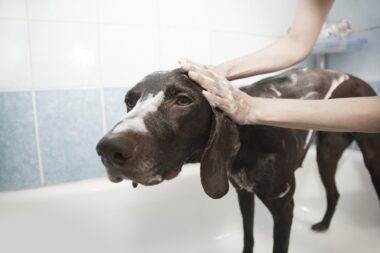
Another important aspect of dog grooming is keeping the dog’s environment clean. Regular bathing, combined with a proper drying routine, can significantly reduce the chance of skin-related issues. There are specialized drying techniques and tools, like high-velocity dryers, that help remove excess moisture, which can lead to fungal infections if not managed properly. Ensuring that the grooming station remains free from debris and contaminants is critical. Groomers should frequently clean their tools, ensuring they are disinfected between dogs to minimize cross-contamination of bacteria or allergens. Bringing preventive practices into the routine can drastically improve skin health. Providing training to groomers on the proper cleaning methods of tools can help minimize skin problems significantly. Additionally, assessing the drying environment for proper ventilation can aid in keeping a dog’s skin health intact. A well-ventilated area reduces humidity and helps maintain an ideal atmosphere for groomed dogs. Customizing the grooming process according to the individual dog’s needs holds immense value, ensuring their comfort and health are prioritized throughout. Overall communication with owners regarding these practices enhances their understanding of how best to support their pets.
Consulting with Veterinarians
Consultation with veterinarians is a fundamental part of addressing skin conditions in show dogs during grooming. Developing strong relationships with local veterinary practices can provide groomers with a reliable resource. Not only should groomers stay informed about common treatments, but they should also be knowledgeable about potential breed-specific conditions that can arise. When a skin issue arises, it’s essential to refer owners promptly to their veterinarians for expert opinions and treatments. Such consultations can also help confirm if particular grooming products are suitable for specific skin conditions. Additionally, keeping a network of veterinarians for ongoing education about new products, techniques, and treatments available can enhance a groomer’s skill set. Groomers should educate themselves on basic skin anatomy to better understand underlying health issues, as this knowledge allows for better communication with pet owners. Understanding symptoms and following up on veterinary advice can help prevent worsening conditions. Veterinarians can guide product recommendations and dietary considerations that support skin health. This teamwork approach creates a supportive environment for show dogs’ well-being, ultimately improving their grooming experience, health, and presentation.
Lastly, ongoing education for groomers about skin conditions and evolving grooming techniques is essential for providing the best care. Continuing education courses and workshops allow groomers to stay updated with current trends in dog grooming. Engaging with professional organizations dedicated to dog grooming can help cultivate an understanding of skin issues. Being part of this community provides access to valuable resources and shared knowledge from experienced practitioners. Groomers should take advantage of online courses, webinars, and seminars to expand their expertise further. Furthermore, attending industry trade shows can introduce the latest products specifically designed to combat skin conditions. Familiarizing themselves with innovative tools, grooming products, and techniques also enhances overall grooming quality. Participating in local grooming competitions can foster skills while providing real-world experience in addressing skin issues. Groomers should encourage peer discussions on best practices and methods to ensure comprehensive care. Lastly, maintaining awareness of emerging research on dermatological health can enrich a groomer’s practice. Adapting these findings into routine practices guarantees that show dogs receive optimal grooming care, leading to healthier skin and more confident canine companions.