
Understanding the Basics: Pet Photography vs Cat Photography
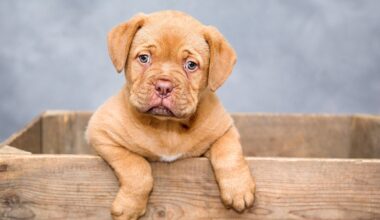
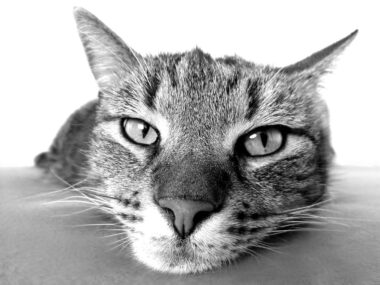
Pet photography encompasses a wide variety of animals, including dogs, birds, and of course, cats. The discipline requires an understanding of the unique features and behaviors of different pets. Each species presents its individual characteristics that can drastically change the way you approach photography. Regarding cats specifically, they have their unique quirks that require a different technique in capturing their personalities. Understanding these nuanced differences is pivotal. For instance, cats tend to be less obedient than dogs, often requiring patience and clever techniques to get that desired shot. A successful pet photographer may need to tailor their approach for each type of animal, keeping in mind their temperament and behaviors. This adaptability is crucial in achieving stunning, emotive shots that resonate with viewers. Combining awareness of the subject’s personality, as well as using correct equipment, can lead to remarkable cat portraits. Every photograph tells a story, and it is essential to convey emotional depth to connect with the audience. Therefore, technique combined with emotional intelligence creates a captivating photograph.
The technical aspects of photography apply equally across both pet and cat photography, yet subtle differences exist. For example, cat photography often requires faster shutter speeds due to their spontaneous nature. Cats are curious and can suddenly leap or run, requiring photographers to be extremely alert. In contrast, dogs might be more straightforward to capture as they usually respond well to commands. Proper lighting is essential regardless of the subject. Natural light is often best, especially during the early morning or late afternoon hours when the light is soft. Additionally, using the right lens can affect the outcome dramatically. A prime lens is frequently used to portray detail and clarity, while a wide-angle can help to capture a playful environment. The backdrop also matters; ensuring that the scene is tidy and relevant can significantly enhance the photograph’s focus on the pet. Cats might often be photographed in their favorite lounging spots or unique settings that express their personality. Landscapes or toys can serve as the perfect complementary elements, enhancing the visual narrative.
The Importance of Patience
Capturing stunning cat photographs demands an abundance of patience. Unlike pets that may follow commands, cats frequently behave unpredictably. Waiting for the right moment is crucial, as natural poses often emerge when they are least distracted. This deliberate approach is often the difference between a mediocre shot and an incredible one. Following the cat’s lead can yield better results than forcing them into a pose. Forcing a cat to sit or stay can lead to disinterest or stress, which diminishes the quality of the photo. Instead, anticipating their movements and being ready to click at the right moment is vital. Candid photography often results in the most emotional and relatable images, capturing those fleeting expressions of cats in their environment. Utilizing this strategy requires mindfulness and tuning into the cat’s mood and pace. By observing how they interact with their surroundings, a photographer can predict behavior and be prepared to capture those magical moments. This mindful approach enhances the overall emotional depth of the picture, making it more captivating for audiences.
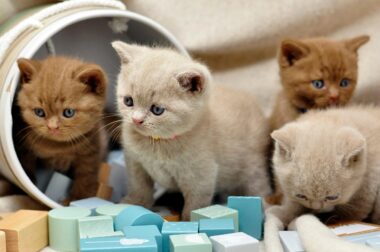
One significant difference between pet and cat photography is the significance of props and settings. In pet photography, props might include playful toys or fancy collars, but in cat photography, many photographs rely heavily on the environment. Cats often blend into the background; their personalities shine through unique environments. Highlighting a cat’s natural habitat can create stunning images that draw in viewers. Whether it’s a sunlit window, a cozy blanket, or a garden scene, the setting contributes immensely to the photograph’s allure. Thus, understanding where a cat feels most comfortable is essential for effective photography. Observing where they choose to relax or play can provide opportunities to capture their personalities authentically. Furthermore, incorporating colorful toys, scratching posts, or other cat-specific props can enhance the photograph. These elements not only add visual interest but also help express the cat’s playful nature. As versatile photographers, leveraging settings effectively can elevate the quality of photographs significantly while ensuring they remain engaging and vibrant, truly reflecting the personality and spirit of the captured feline friend.
Editing Techniques
Post-processing techniques can play a substantial role in enhancing both pet and cat photography. Common editing software can help adjust lighting, shadows, and contrasts to bring out the best features of the subject. For instance, brightening a cat’s eyes or adding saturation to its fur can enhance the overall visual appeal. Moreover, cropping can effectively change the focus of the photograph, emphasizing essential aspects of the cat’s personality. Subtle adjustments can make a huge difference, allowing photographers to create a polished final image. Additionally, using filters can also add a whimsical touch suitable for sharing on social media platforms. However, it’s crucial to maintain the natural beauty of the animal; over-editing can detract from the authenticity of the capturing moment. Striking a balance between enhancing the image and preserving realism is essential for impactful photography that resonates with viewers. Taking time during the editing phase is just as important as capturing the photo. Therefore, investing time in learning editing techniques is vital for all photographers aiming to excel in both pet and cat photography.
Building a portfolio showcasing a blend of both pet and cat photography can significantly boost one’s photography career. Summarizing diverse styles informs potential clients about the photographer’s versatility and ability to adapt. Those interested in hiring a photographer often seek a professional who comprehensively understands animal behavior, particularly cats, known for their distinct personalities. By including dog and cat images in a portfolio, photographers can appeal to a broader audience. The key is to ensure high-quality images are predominant in the collection. Displaying emotions effectively shows the viewer expertise in capturing genuine pet relationships. It’s advisable to invest time in building a solid portfolio that paints a well-rounded picture of the photographer’s skills. Each photograph should tell a story, allowing people to connect with the images, whether happy moments or playful interactions. Utilizing social media platforms can further help showcase work, drawing attention from potential clients. Engaging captions and interaction also promote exposure to a wide audience. This holistic approach allows a photographer to shine while simultaneously providing valuable insights into the captivating world of both pet and cat photography.
Conclusion and Final Thoughts
In conclusion, while there are similarities between pet photography and cat photography, the differences should not be overlooked. Cats, with their unique behaviors and personalities, demand an understanding that goes beyond general pet photography techniques. The method of approach, knowing how to capture the right moments, and employing effective settings and props make a significant difference in the final result. Patience and adaptability emerge as crucial themes in successful cat photography, emphasizing the delicate balance between the photographer and the subject. Whether you aim to capture a simple candid moment or a detailed portrait, the journey involves continuous learning and practice. Fostering an emotional connection through photography enriches both the photographer and the audience’s experience. Exploring cat photography opens a new doorway to understanding these wonderful creatures deeply. Ultimately, these insights will enhance not just the photography skills but foster a love and appreciation for cats that will reflect in each image captured. Embrace the journey of exploration and storytelling through the art of photography while adapting techniques to create memorable works.
Through embracing the nuances of both pet and cat photography, captivating images are achievable. Understanding the intricate dynamics between behavior, environment, and technique enhances your artistic output. Good luck with your photographic endeavors!