
Top Benefits of Zinc for Dogs: What Every Pet Owner Should Know
Zinc is an essential mineral that plays a vital role in various bodily functions in dogs. This mineral is necessary for a healthy immune system, wound healing, and promoting skin health. A deficiency in zinc can lead to skin issues, hair loss, and impaired immune function. While zinc can be found in a variety of dog foods, there may be cases where supplementation is beneficial. Zinc supplementation can be particularly helpful for dogs with skin disorders, as it has shown to support cell regeneration and tissue repair. Additionally, for those breeds predisposed to zinc deficiency, such as Siberian Huskies and Alaskan Malamutes, supplementation might be a wise choice. Pet owners should consult their veterinarian to determine the appropriate dosage and form of zinc to provide their dogs. High-quality supplements are available in various forms, and choosing the right one is crucial for your dog’s health. Regular monitoring of your dog’s health and dietary needs is paramount to ensure they receive a balanced intake of this important mineral.
Perhaps you might wonder how zinc affects the immune system of dogs. Zinc plays a critical role in maintaining healthy immune functionalities, helping your furry friend ward off infections and illnesses. Adequate zinc levels ensure that the immune cells function optimally and respond effectively to pathogens. When a dog experiences zinc deficiency, their overall immune response is compromised, making them more susceptible to infections. Supplementation has also been linked to improved recovery from infections and other ailments. It’s not just the immune system that benefits from zinc; this mineral also aids in the proper functioning of enzymes that facilitate immune responses. Without sufficient zinc, dogs may experience longer healing times and a higher chance of recurring health issues. Furthermore, zinc supports normal growth and development in growing puppies, ensuring they have the nutrients needed during their growth phases. Therefore, providing your dog with adequate zinc through diet or supplements can be crucial to their health and long-term wellbeing, particularly for active and aging dogs.
Skin health is another significant benefit of zinc for dogs. This mineral is crucial for maintaining skin integrity and playing a role in reducing inflammation. Zinc possesses anti-inflammatory properties, making it an excellent aid for dogs with dermatological conditions, including allergies and dermatitis. Supplementing with zinc can alleviate symptoms such as itching, redness, and flakiness in afflicted dogs. Dogs suffering from skin infections, especially secondary to allergies, may experience noticeable improvements with proper zinc supplementation. Regular intake of this mineral promotes healthy skin and may even help eliminate hot spots, a common issue among many dog breeds. Furthermore, zinc aids in generating keratin, an essential protein for healthy skin and fur. A shiny coat is often a reflection of proper nutrition. Pet owners are encouraged to pay attention to their dog’s coat condition while monitoring zinc intake, as deficiencies can lead to dull fur and shedding. Choose high-quality zinc supplements designed for canines to ensure proper absorption and effectiveness for skin health. However, always consult with your veterinarian prior to beginning any new supplement.
Potential Risks of Zinc Deficiency
Understanding the potential risks associated with zinc deficiency in dogs is vital for every owner. A significant lack of zinc can manifest in several health issues, impacting your dog’s overall quality of life. One of the first observable signs is skin lesions or irritation, which can lead to chronic dermatological diseases. Inadequate zinc levels have also been correlated with gastrointestinal problems, causing issues like diarrhea and vomiting. Dogs lacking sufficient zinc may experience a weakened immune system, leaving them vulnerable to infections. This may result in frequent illnesses that seem to linger longer than usual. Furthermore, puppies who do not get enough zinc during their growth phase may face stunted growth and developmental delays. Cognitive function, particularly in senior dogs, can also suffer with a lack of essential minerals like zinc. Therefore, pet owners must consult with their veterinarian to assess their dog’s zinc levels. Screening for deficiencies can help prevent these serious health concerns. Being proactive in your dog’s nutrition can ensure they remain healthy, agile, and happy.
Moreover, zinc is also associated with proper cognitive function in dogs. It plays a significant role in the neurological health of your pet. Studies have indicated that zinc deficiency can lead to cognitive decline, particularly in older dogs. Healthy zinc levels support brain signaling and coordination, critical for your dog’s learning and memory. As dogs age, maintaining cognitive function becomes essential for their quality of life. Regularly assessing zinc levels, along with other essential nutrients, can pave the way for improved mental wellbeing in your canine companion. Enriched diets or appropriate supplements can enhance brain health and might even delay the onset of cognitive dysfunction. Engaging puppies and active dogs with stimulating environments and sufficient zinc can foster better learning experiences. Providing easy access to resources for mental stimulation, like interactive toys and training sessions, in combination with a proper zinc allowance can enhance the overall growth experience. Paying attention to these factors can lead to a healthier, sharper, and more engaged furry friend, which is a priority for any responsible pet owner.
How to Choose the Right Zinc Supplement for Dogs
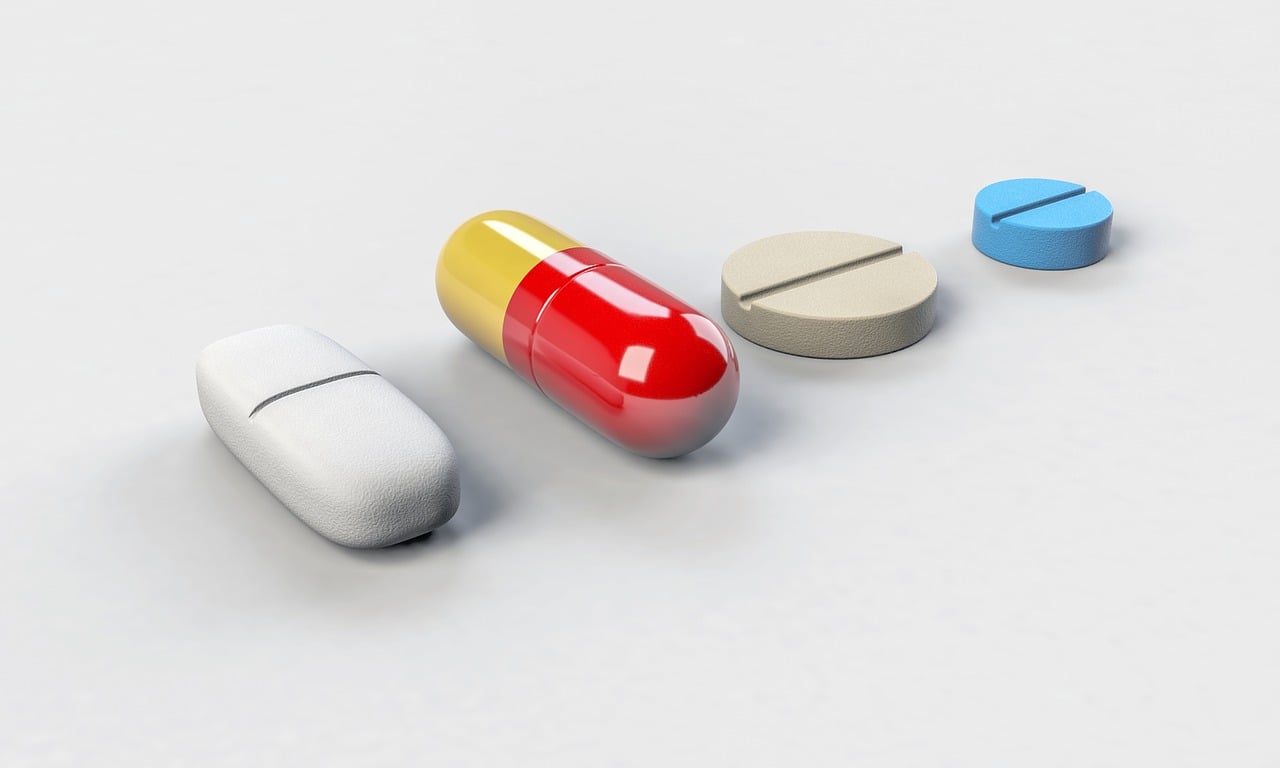
When selecting zinc supplements for dogs, it is crucial to choose wisely to ensure their optimal health. Not all supplements are created equal; thus, understanding the type and quality of the product can make a significant difference. Look for zinc supplements specifically formulated for dogs, as those made for humans may not be suitable. Verify that the product contains the right form of zinc, such as zinc sulfate or zinc citrate, both of which are well-absorbed by dogs. Always opt for high-quality brands that utilize natural ingredients and refrain from harmful additives. Reading customer reviews can provide insight into the effectiveness and safety of the supplement. If your dog is already on medication, consult your veterinarian to avoid potential interactions. Furthermore, the recommended dosage varies based on your dog’s size, age, and health condition. Follow strict guidances and dosages outlined by your vet to prevent toxicity. Always monitor your dog after starting supplementation and report any unusual symptoms or health changes to your veterinarian. This approach ensures a safe and beneficial experience for your beloved pet.
Incorporating zinc supplements should be viewed as part of a broader approach to your dog’s nutrition. A balanced diet tailored to your dog’s specific needs is essential for their overall health and wellbeing. Zinc supplementation can be particularly beneficial when combined with other essential nutrients such as omega fatty acids, vitamins, and minerals. This holistic approach ensures your dog receives the multifaceted benefits required for optimal health. Encourage your dog to consume high-quality foods that meet their nutritional requirements, including high protein sources. Regular exercise, mental stimulation, and routine vet check-ups work in tandem with proper supplementation to promote a long, healthy life. Keeping your dog within a balanced lifestyle framework is paramount to their wellbeing. Additionally, educating yourself on nutritional values can empower you to make informed decisions about dog food and supplements, leading to better health outcomes. The combination of healthy foods, the right supplement, and an active lifestyle will make a significant impact, enhancing your dog’s quality of life, longevity, and happiness.
In conclusion, ensuring that your dog receives adequate zinc is vital in promoting their health and happiness. This essential mineral supports vital functions in the body, from immune responses to skin health and brain functions. As a pet owner, it is important to recognize the signs of zinc deficiency and take proactive measures to provide the necessary supplementation. Addressing your dog’s zinc levels through high-quality supplements can help improve their quality of life, especially for dogs suffering from skin issues or immune deficiencies. Consult with your veterinarian to implement appropriate dietary changes, including zinc supplements tailored to your dog’s health needs. Prioritize your furry friend’s wellbeing through balanced nutrition, regular check-ups, and enriching experiences. Together, these strategies can ensure that your beloved pet leads an active, lively, and fulfilling life, offering wagging tails and joyful companionship. Always stay updated on their needs and adjust their care practices for continuous improvement in health. Make informed choices about your dog’s diet and health, and your efforts will undoubtedly reflect on their growth and happiness.