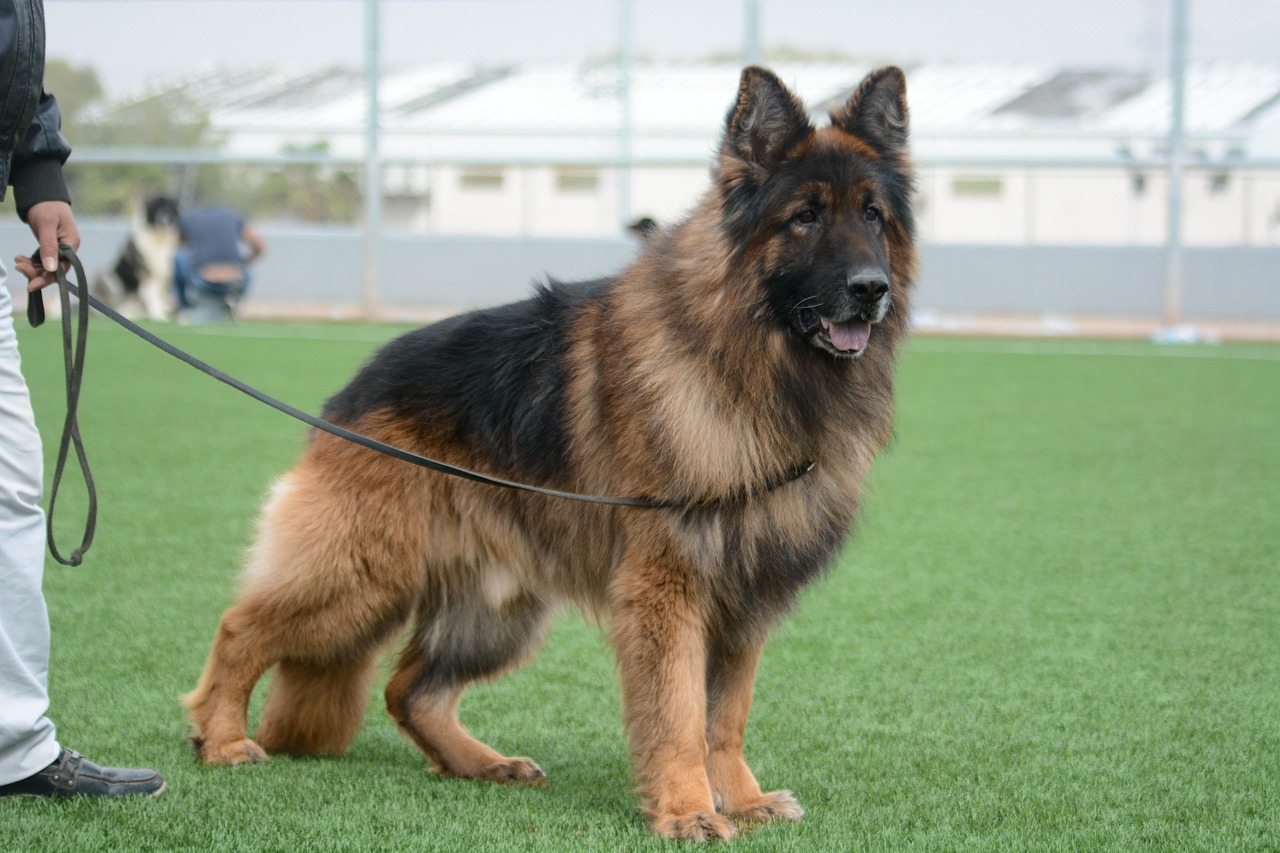

Training Dogs to Ignore Distractions While on Leash
Leash training is essential for all dog owners, especially when aiming to teach dogs to ignore distractions while on walks. This training involves consistent practice and patience, as dogs are easily captivated by scents, sounds, and sights around them. To begin leash training methods, it’s crucial to introduce basic commands. Start with commands like “sit” and “stay” before heading outdoors. During training sessions, ensure you have the proper equipment, including a sturdy leash and a comfortable collar. Dogs should feel secure yet free to explore their surroundings without being overwhelming. Incorporate rewarding techniques during the training. When your dog successfully ignores distractions, reward them with treats or praise to reinforce the desired behavior. Gradually mix in different types of distractions, enhancing your dog’s focus and promoting reliable behavior. Consistency is the key to reinforcing your dog’s learning. Regular practice sessions can help solidify this training, building a strong bond between you and your pet. After some time, your dog will begin to exhibit increased attention toward you, improving their walking experience and reducing unwanted behaviors.
Another crucial aspect of leash training involves practicing positive reinforcement techniques. Celebrate your dog’s efforts, even when small, by providing ample praise or treats whenever they maintain focus on you instead of the distractions. Over time, this will help your dog learn to prioritize your cues over environmental stimuli, making walks much more enjoyable. Avoid harsh corrections or physical punishment as they can lead to anxiety or fearful behavior. Instead, use a calm and encouraging tone while trying to redirect your dog’s attention when they become distracted. Encouragement works wonders when properly applied. Practicing leash training in varied environments can foster resilience in your dog. Begin in quieter locations to build their confidence, gradually moving to busier areas as they become more skilled. For instance, start your training in a quiet park before transitioning to a bustling street or dog park. Adding distance between distractions can also help during initial training stages. As your dog learns obedience, begin reducing that distance to simulate real-life scenarios. This systematic approach will ensure lasting results and improve your dog’s ability to ignore distractions effectively.
Another effective method for teaching leash manners is consistency in your approach, including establishing a regular walking routine. Dogs thrive in environments with clear expectations and consistent schedules. By taking daily walks at the same time, your dog learns to associate these outings with healthy exercise and mental stimulation. Discipline and structure in the walking routine will not only benefit your dog’s physical activity but also enhance their bonding experience with you. Notably, engaging in short exercises before walks can help burn excess energy, making training sessions more fruitful. In addition to structured routines, consider using specialized training tools. Head halters or no-pull harnesses can assist in controlling your dog’s movements when faced with distractions. These products allow you to guide your dog and redirect their focus more efficiently. Underpinning these practices is the importance of understanding canine body language. Recognizing cues can help you anticipate your dog’s reactions and adjust your training methods accordingly. Paying attention to their behavior helps foster trust and reinforces the leadership you need to establish during training. A confident owner leads to a more confident dog.
Utilizing Commands and Cues Effectively
Using specific commands can enhance your dog’s ability to ignore distractions. The “leave it” command, for example, instructs your dog to disregard tempting objects, making it an excellent tool for leash training. Teaching this command involves consistent practice and patience, as repetition helps solidify the desired behavior. Begin in a controlled environment, presenting your dog with distractions and rewarding them only when they obey your command. Gradually increase the difficulty level by introducing more appealing distractions and reducing the distance between your dog and them. Another useful command is “look at me,” which encourages your dog to maintain eye contact with you, drawing their focus away from surrounding distractions. Pair this command with tasty treats to reinforce their attention. Additionally, using verbal cues combined with hand signals can create clear communication for your dog, promoting quicker responses. Incorporating various distractions into practice sessions may further strengthen your dog’s focus and reliability. Practicing these commands consistently will ensure they understand what is expected when out on walks, which will significantly enhance your dog’s ability to remain calm amid all distractions.
Environmental Management is equally significant in leash training and involves adjusting your walking route to minimize distractions. Choosing quieter pathways, parks, or trails during training sessions can help your dog focus better. Once they’ve mastered the basics, gradually introduce them to busier areas like your neighborhood. The initial goal is to stop distractions during training sessions, and as they improve, you can challenge them further. Utilize treats to reward your dog periodically when they successfully ignore distractions during these walks. Creating a controlled environment while training reinforces proper leash behaviors and helps foster good habits. Furthermore, consider pairing socializing opportunities with your training routines. Meeting other dogs in controlled settings can serve as both a reward and a distraction challenge, enhancing your dog’s focus even in social environments. Daily practice in various settings will gradually build your dog’s ability to remain focused and composed regardless of the distractions around them. A well-socialized dog learns to adapt more efficiently, ensuring enjoyable walks for both dog and owner alike.
As your training progresses, consistency remains a key factor to success. Ensure that all family members participate in the training, creating a unified approach toward your dog’s leash etiquette. Reiterating the same commands, techniques, and rewards will help your dog understand what is expected of them across different situations. Mixed signals may hinder their learning and affect their progress, so create a supportive environment heartened by loving reinforcement. If your dog experiences setbacks, maintain a calm approach. Training is a gradual process involving ups and downs but patience will yield significant results over time. Celebrate small victories during your training sessions. Every time your dog successfully ignores distractions, reward them generously with praise or a treat. This will reinforce the idea that good behavior brings positive outcomes. Dog training should be fun; aim to create enjoyable experiences during your walks together. By fostering a bond grounded in trust and support, your dog will feel more secure as they develop an understanding of attention and focus amidst distractions on outdoor adventures.
Conclusion: Lifelong Practice
In conclusion, teaching dogs to ignore distractions while on the leash is crucial for seasoned pet owners and new ones alike. Through consistent practice and the utilization of effective leash training methods, dogs will learn to focus on their handlers, leading to smoother and more enjoyable walks. Always remember to cater your approach based on your dog’s temperament, confidence, and current skill level during your training. Even seemingly minor progress should be supported and rewarded, as this will strengthen your dog’s confidence over time. Incorporate diverse techniques, like leveraging verbal commands, providing appropriate distractions, or adjusting your walking routes, into your leash training regimen. The journey doesn’t end after mastering the basics; training should be a part of your dog’s life. Continue reinforcing good behaviors and providing opportunities for your dog to practice their leash skills in various environments. Not only will this ensure hygiene and safety during walks, but it also fosters a deep bond between you and your furry companion. Ultimately, a well-trained and distracted-resistant dog creates a more enjoyable experience for both of you during your adventures together.
By keeping training fun and engaging, you’ll cultivate a positive experience for your furry friend. Redirecting focus away from distractions enhances your dog’s concentration, resulting in a more transformed and enjoyable walking experience. It may take time, but persistence, dedication, and love will transform your dog into an adept companion capable of navigating the world alongside you. Consistent, structured training in varied environments will contribute to a well-rounded, unhindered walking experience. Building those skills needs practice, but ultimately, it’s rewarding for both the owner and the dog as they enjoy their time outdoors together.