
The Impact of Vaccinations on Kennel Cough Prevention
Kennel cough is a highly contagious respiratory disease in dogs that can significantly impact their health and wellbeing. Caused by a combination of viral and bacterial agents, its symptoms typically include coughing, gagging, and nasal discharge. The disease is often spread in environments with high dog populations, such as boarding kennels, dog parks, and veterinary clinics. Vaccination plays a crucial role in prevention, creating immunity against the pathogens responsible for kennel cough. Owners should be aware of the different vaccines available, including those for Bordetella bronchiseptica, the primary bacterial cause, and canine parainfluenza virus. Regular vaccinations prevent outbreaks and minimize individual cases of kennel cough. It’s essential to maintain updated vaccination records and consult veterinarians for dosage requirements. Vaccines may vary depending on local regulations and assessed risk factors. In addition to vaccination, understanding other preventive measures is necessary. Keeping dogs healthy through proper nutrition and hygiene can enhance their resistance to infections. Regular veterinary check-ups are essential for monitoring health and ensuring that vaccinations remain current for optimal protection. Implementing preventive measures leads to a healthier and happier dog population.
Vaccination against kennel cough is not only important for individual dogs but also crucial for public health within canine communities. A properly vaccinated dog poses a lower risk of spreading infections to other dogs. While kennel cough vaccines reduce the risk of illness, they do not provide complete immunity. Therefore, a vaccinated dog can still contract kennel cough; however, the severity of the symptoms is often lessened. This concept underscores the necessity of integrating vaccination into a broader preventive strategy. Dog owners should adopt additional measures such as avoiding crowded spaces when their pets exhibit respiratory symptoms. Socializing in safe, controlled environments reduces the likelihood of transmission among dogs. The timing of vaccination also influences the level of protection an owner can expect. Puppies typically receive their first Bordetella vaccine around six to eight weeks of age, with updates required annually thereafter. Keeping records of vaccinations and veterinary visits helps ensure compliance with recommendations. Alongside vaccines, treatments and care options for affected dogs should be readily available, enabling prompt response to any signs of kennel cough. Engaging veterinary professionals in ongoing discussions will help reinforce the best practices in vaccination and dog care.
Understanding Kennel Cough Symptoms
Recognizing the symptoms of kennel cough is essential for early intervention and treatment. The most prominent symptom is a persistent dry cough that can sound like a honking noise. Owners may also notice additional signs, including sneezing, runny nose, and lethargy. Some dogs might lose their appetite and exhibit fevers. In more severe cases, the infection may progress, leading to difficulty in breathing or pneumonia. Owners should monitor their pets closely, particularly after exposure to potentially infected dogs. Immediate consultation with a veterinarian is critical if any symptoms manifest. Veterinarians can recommend diagnostic tests to differentiate kennel cough from other respiratory illnesses that may exhibit similar symptoms. Accurate diagnosis streamlines the treatment process and reduces the risk of complications arising from misdiagnosis. Isolation of infected pets is an additional preventive measure that minimizes transmission to other dogs. It’s important for owners to remain vigilant and proactive in seeking medical assistance. Early detection not only improves recovery chances for affected dogs but also protects the broader canine community from outbreaks. Engaging in discussions with veterinarians can equip dog owners with essential information regarding symptoms and treatment options.
In addition to vaccinations, several supplementary strategies can enhance the overall health of dogs, helping prevent kennel cough. Maintaining proper hygiene in communal settings, such as dog parks or boarding facilities, helps reduce the spread of infections. Encouraging regular cleaning practices among dog owners can minimize exposure to pathogens. Furthermore, keeping dogs away from ill companions can greatly reduce their chances of infection. Environmental factors also play a vital role in a dog’s susceptibility to kennel cough. Ensuring dogs have healthy living conditions, including adequate ventilation and space, can help maintain respiratory health. Proper nutrition, crucial in building strong immune systems, should not be overlooked as it complements vaccination efforts. Dog owners should consult with veterinarians to develop balanced diets tailored to individual needs. Regular exercise is important in promoting overall health and improving the immune system’s strength. Engaging with a healthy routine not only benefits physical health but also strengthens the bond between dogs and their owners. Beyond vaccinations, a holistic approach to dog care reinforces protective measures against kennel cough and other illnesses, ensuring their well-being. These strategies collectively contribute to fostering a healthier canine community.
The Role of Veterinary Support
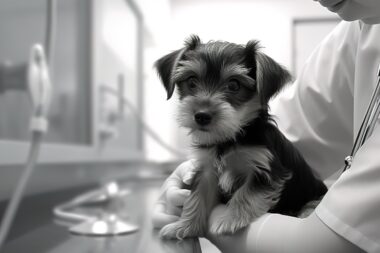
Veterinary support is a critical component in the proactive management of kennel cough among dogs. Owners should establish a relationship with a trusted veterinarian who can provide expert guidance on vaccination schedules. Regular consultations allow for monitoring the health status of pets and making timely adjustments to vaccination plans. Veterinarians are also equipped to address any emerging concerns regarding kennel cough and its symptoms. Moreover, they can offer insights on the best preventive measures to employ based on local conditions and dog lifestyle. Education remains a key part of the veterinary role, assisting owners in identifying proper vaccination protocols and dispelling misinformation regarding kennel cough. Pet owners should not hesitate to ask questions or voice concerns during appointments. Clear communication regarding the unique risks faced by individual dogs is essential for effective prevention. Additionally, veterinarians can help identify any underlying health conditions that may increase susceptibility to respiratory infections. Collaborating with veterinarians contributes to a network of support that ensures optimal health for dogs. Comprehensive veterinary care, coupled with vaccinations, lays the foundation for improved collective well-being in canine populations.
In conclusion, vaccinations are pivotal in the prevention of kennel cough, serving as the first line of defense for canine health. While vaccines significantly lower the chance of infection, they work best when paired with responsible pet ownership practices. By recognizing symptoms early and providing a supportive environment, owners can further enhance the effectiveness of vaccination. Ongoing education about kennel cough and its prevention helps build awareness within the dog-owning community. Furthermore, integrating knowledge gained from veterinarians into daily routines solidifies a comprehensive approach to pet care. Promoting hygiene, health, and monitoring can mitigate risks presented by kennel cough. Dog owners must stay informed about updated vaccination recommendations and consult professionals for personalized care strategies tailored to their pets. Make sure to maintain an open dialogue with veterinarians about the latest research and treatments related to kennel cough. By working together, dog owners and veterinary professionals can conquer kennel cough and protect the health of their dogs. Ultimately, a proactive and informed approach ensures that dogs enjoy a high quality of life while surrounded by a healthy community.
Final Thoughts on Vaccination Benefits
In summary, understanding the impact of vaccinations on kennel cough prevention is essential for every dog owner. The interplay between vaccinations, health management, and education creates a rich support system for canine health. As knowledge of kennel cough continues to evolve, consistent vaccination and preventive care practices will remain vital. With teamwork among dog owners, veterinarians, and animal care professionals, excellent protocols can be developed for enhanced wellness. Continued vigilance against kennel cough helps to protect dogs from this potentially debilitating condition. As a community, dog owners must be committed to creating environments that prioritize health, hygiene, and vaccination adherence. This collective effort results in improved canine population health and promotes the well-being of individual pets. Enhancing awareness of kennel cough among the dog community allows for better preparedness in preventing outbreaks and handling cases. Engaging in active discussions with veterinarians about the importance of vaccinations fosters an informed community focused on responsible pet care. The journey to a healthier dog community begins with informed choices, proactive vaccination strategies, and a dedication to supporting one another in safeguarding our furry friends.
Vaccination against kennel cough is not only important for individual dogs but also crucial for public health within canine communities. A properly vaccinated dog poses a lower risk of spreading infections to other dogs. While kennel cough vaccines reduce the risk of illness, they do not provide complete immunity. Therefore, a vaccinated dog can still contract kennel cough; however, the severity of the symptoms is often lessened. This concept underscores the necessity of integrating vaccination into a broader preventive strategy. Dog owners should adopt additional measures such as avoiding crowded spaces when their pets exhibit respiratory symptoms. Socializing in safe, controlled environments reduces the likelihood of transmission among dogs. The timing of vaccination also influences the level of protection an owner can expect. Puppies typically receive their first Bordetella vaccine around six to eight weeks of age, with updates required annually thereafter. Keeping records of vaccinations and veterinary visits helps ensure compliance with recommendations. Alongside vaccines, treatments and care options for affected dogs should be readily available, enabling prompt response to any signs of kennel cough. Engaging veterinary professionals in ongoing discussions will help reinforce the best practices in vaccination and dog care.