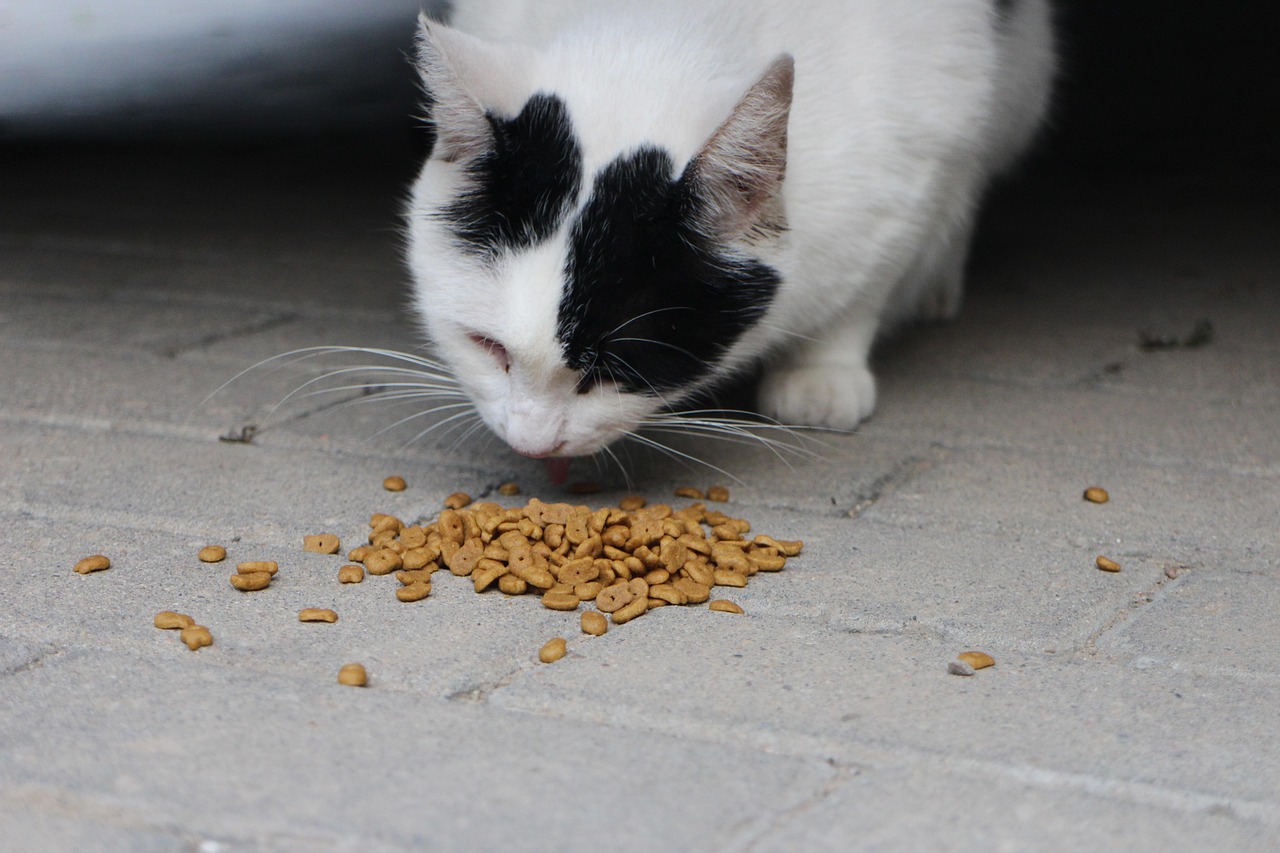

The Best Times of Day to Feed Your Cat: Insights from Experts
Understanding the best times to feed your cat is essential for their overall health and well-being. Cats are known for their unique feeding habits, which can greatly influence their physical and mental state. Ideally, you should establish a routine that aligns with your cat’s natural instincts. Research indicates that many cats prefer smaller, more frequent meals throughout the day, similar to their natural hunting behavior. This means offering food at intervals rather than all at once. Experts recommend splitting your cat’s daily portion into at least two to three meals. Additionally, consider your cat’s age, health status, and activity level, as these can significantly affect their dietary needs. A kitten may require more frequent meals than an adult cat. The key is to observe your cat’s reactions and adjust accordingly. Incorporating some form of interactive feeding can enhance their mental stimulation. Not only does this make meal times engaging, but it also helps maintain a healthy weight. To ensure these strategies work, keep monitoring your cat’s weight and adjust portions as necessary.
Feeding Frequency: A Closer Look
Feeding frequency is a significant factor in your cat’s nutrition. Many veterinarians recommend a feeding schedule that mirrors the habits of wild cats. This usually involves offering food two to four times throughout the day rather than a single or even two large meals. Cats are naturally inclined to graze, which means they prefer to eat smaller portions more frequently. This behavior helps regulate their energy levels and prevent obesity. It’s essential to adhere to a feeding schedule that accommodates your cat’s needs while keeping your own routine in mind. Pay attention to your cat’s cues; they will often let you know when they are hungry. Monitoring their physical activity can also indicate whether you need to adjust the amount or frequency of meals. Furthermore, if multiple cats are in the household, keep their feeding times synchronized to avoid competition and stress. Regular feeding times can also help strengthen your bond with your pet. Importantly, always provide fresh water alongside their meals. Responsibility in feeding will lead to happier and healthier feline companions, so be consistent.
The timing of meals is as crucial as the frequency of feeding. Cats are creatures of habit, and they thrive on routine. Aligning mealtimes with your daily schedule can ensure your cat feels secure and satisfied. For instance, offering meals in the morning and evening can complement the natural rhythms of both your life and your cat’s. Furthermore, paying attention to your cat’s behavior can provide clues about their ideal feeding times. Some cats may prefer to eat early in the day when they are most active, while others may seek food later when they are winding down. If you work during the day, consider having meals scheduled around your availability so that you can monitor their eating habits closely. You might also want to avoid feeding directly before or after extensive play sessions to help with digestion. Lastly, remember that changes in feeding times should be gradual to avoid gastrointestinal upset. Transitioning your cat to a new schedule can take time, but the results are often well worth the effort.
Choosing Meal Portions Wisely
The portions you serve your cat play an equally significant role in their nutrition. Understanding how much to feed your cat is often complicated. Factors to consider include their age, weight, activity level, and overall health. Consult your vet to establish a baseline for serving sizes based on your cat’s specific needs. It’s important not to overfeed; obesity in cats is a rising concern. Therefore, use a measuring cup or a food scale to ensure consistent portions. Start by following the feeding guidelines provided by your cat food manufacturer, but adjust these recommendations based on your observations of your cat’s body condition. Regular check-ups will help gauge whether your chosen portions are effective. Be cautious of human food consumption as treats, since these can easily exceed recommended caloric intake. Remember that not all cats are created equal; a sedentary cat will require less food than an active one. It’s vital to monitor how portions impact your cat’s weight and health while adjusting as necessary.
Another essential consideration in terms of portions includes the type of food you are providing. Dry food differs significantly from wet and fresh food in terms of calorie density, which can affect how much you should feed. For instance, while dry food is more calorie-dense, wet food offers hydration benefits but generally comes with fewer calories. Therefore, you might find yourself adjusting portions based on the food type. Take note of your cat’s preferences; they often have distinct tastes. Some cats relish wet food, while others enjoy crunchier kibble. Providing a mixture can keep them interested and satisfied. When introducing new food types or brands, do so gradually. This will help prevent gastrointestinal distress, ensuring your cat adapts to dietary changes without discomfort. You might consider rotating flavors and types, which can make feeding times an exciting event rather than a mundane task. Keep in mind that cats often develop preferences for certain textures or flavors over time, so staying mindful of their eating patterns is essential to their long-term health.
Utilizing Interactive Feeding Techniques
Interactive feeding can be a game changer in meal times for your cat. Not only does this method engage their natural hunting instincts, but it also provides mental stimulation. Cats bored with standard feeding may overeat or become lethargic, leading to health issues. To address this, try using puzzle feeders or treat balls that require your cat to work for their meals. The effort expended can be rewarding for them, not just physically, but mentally. Experimenting with different types of interactive feeders may reveal preferences. A few simple techniques can also include hiding their food around the house or using a feeding mat to scatter kibble. Both approaches encourage exploration and play. This will make feeding an overall more engaging experience for your kitty. Furthermore, remember to monitor your cat’s interest; some may take longer to adjust to this feeding style. Regularly changing the location can also maintain their engagement. By integrating interactive feeding techniques, you’ll not only satisfy your cat’s hunger but also enrich their daily life, promoting overall positive behavior.
Lastly, ensure that the feeding environment is as comfortable and stress-free as possible. Feeding in a quiet area can help your cat feel safe during meals. Cats, being territorial, often prefer that their eating space is free from competing factors, including other pets. Try to avoid loud noises or high-traffic areas during feeding times; a calm atmosphere encourages better eating habits. Additionally, ensuring that their food and water bowls are clean and accessible will also promote a healthy eating experience. Your cat’s psychological comfort is crucial for their feeding behaviors. If your feline seems anxious during mealtimes, examine their surroundings for potential stressors. Understanding their preferences and habits better will empower you to create a feeding routine that works effectively for both of you. Adhering to these strategies will foster a positive relationship between you and your pet, ultimately leading to improved physical health and emotional well-being. In conclusion, feeding frequency and portion control are integral components of a cat’s nutrition, requiring attention to detail and education for optimal results.
Feeding your cat at specific times of day can contribute to their happiness and well-being, as cats are creatures of habit. Aligning their mealtime with your schedule can create a structured routine that works well for both you and your feline friend. Cats screen-feed, enjoying smaller meals spread throughout the day. Therefore, consider serving them in smaller portions multiple times. This mimics their natural foraging instincts, which can reduce feelings of anxiety and stress. Moreover, having a set feeding routine encourages positive behavior and can alleviate issues related to overeating or begging. Keep in mind that every cat is unique; while most cats thrive on a structure, some may prefer flexibility. Observing your pet during feeding times can give you valuable insight into their preferences. It is not uncommon for cats to have consistent eating habits, revealing their comfort levels and specific desires. Therefore, paying close attention to these signals is essential for maintaining your cat’s overall health and well-being. Periodically review their feeding habits and weight to ensure they continue thriving in both body and mind.