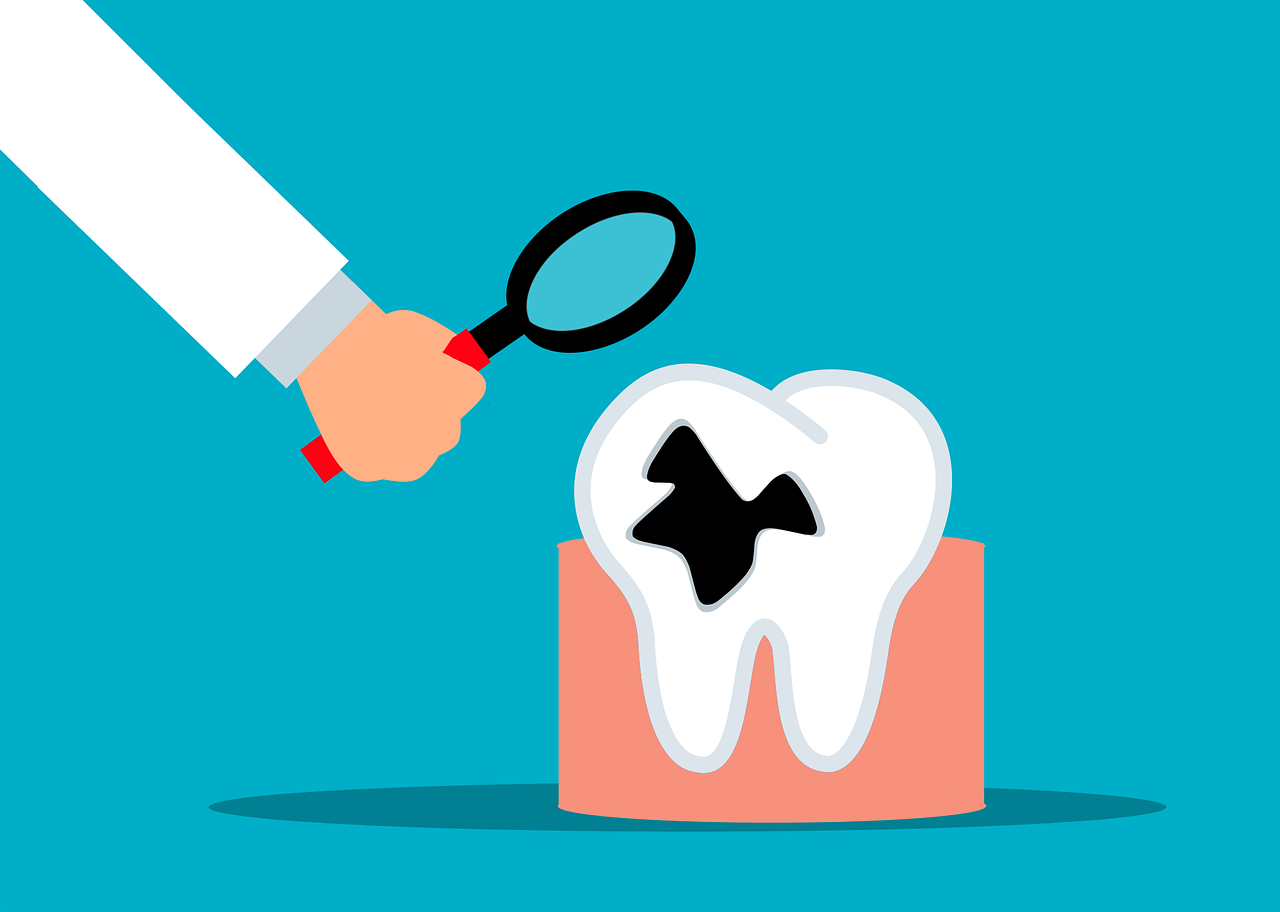

Signs Your Cat May Have Dental Problems
Dental issues in cats can escalate quickly, leading to major health complications if not identified on time. As a cat owner, it is crucial to monitor your feline friend for specific symptoms that could indicate dental problems. One early sign to look for is bad breath, scientifically known as halitosis. If your cat’s breath has a foul smell, it could be a sign of tartar buildup, gum disease, or even tooth decay. Additionally, observe your cat’s eating habits. If your cat avoids hard food or seems to chew cautiously, they might be experiencing pain or discomfort. Unusual drooling is another critical sign. Cats with dental problems often produce excess saliva, which can dribble down their chin or around their mouth. Take note of any changes in your cat’s behavior, especially if they exhibit irritability or withdrawal from interaction. Regular check-ups with a veterinarian can help identify underlying dental issues early, ensuring a healthier life for your cat. Prevention is better than cure, so invest time in your cat’s dental health to prevent potential illness.
The next observable sign is a noticeable change in your cat’s weight. If your cat has lost weight unexpectedly, they may be in pain or finding it difficult to eat properly due to dental issues. Observe their grooming habits as well. Cats often groom themselves meticulously, but if your cat reduces this behavior significantly, it may point towards discomfort. Keep an eye on the state of their teeth and gums. Healthy gums should be pink and firm, not swollen or bleeding. If you notice bleeding gums or loose teeth, schedule a veterinary visit promptly. Another critical indicator is changes in vocalization. If your cat is meowing more than usual or exhibiting unusual noises, it could be a sign of pain stemming from oral health issues. Furthermore, physical signs such as swelling around the mouth or face can indicate more severe dental conditions. It’s important for pet owners to be proactive regarding their cat’s dental health. Consider providing dental treats and toys that promote oral hygiene. Regular dental care, such as brushing your cat’s teeth, can also help prevent oral diseases.
To better understand the relationship between dental health and overall well-being, familiarize yourself with the common conditions affecting feline dental health. One such condition is periodontal disease, which occurs when bacteria accumulate on teeth, leading to inflammation of the gums and eventually potential tooth loss. Signs of periodontal disease can often go unnoticed, so regular dental check-ups are paramount for early detection. Moreover, gingivitis is another prevalent issue that can have damaging consequences if untreated. It manifests as red, swollen gums that can cause significant discomfort to your cat, resulting in difficulty eating. A dental abscess is also a severe condition characterized by an accumulation of pus, and it often creates a painful situation from infection. This condition usually requires professional veterinary care and might necessitate tooth extraction. Be aware that dental problems can also affect your cat’s systemic health, potentially leading to complications in vital organs such as the heart and kidneys. To maintain your cat’s health, it is essential to educate yourself about these conditions and remain vigilant in observing any signs that indicate dental distress.
Understanding Dental Disease in Cats
Regularly inspecting your cat’s mouth can be an effective measure in detecting dental problems. The process should involve looking for tartar buildup, which appears as yellow or brown stains on teeth. In addition to visual inspections, gently lifting your cat’s lips can help expose the gums and teeth for better evaluation. If you notice any signs of irritation or redness in the gums, it might indicate a serious dental condition that needs immediate attention. Many cats will resist having their mouths examined, so it’s essential to approach them gently. Behavioral changes, such as reluctance to engage in play or aggression when their face is touched, might also suggest that your cat is experiencing discomfort. Another critical factor is drinking habits; if your cat seems to be drinking more water than usual, it could be due to dental pain affecting their appetite. Remember that maintaining good dental hygiene is a long-term commitment; regular brushing can significantly reduce the risk of dental issues. Consider using feline-approved dental toothpaste to enhance this routine.
Alongside regular veterinary visits and home oral care, diet plays a significant role in promoting dental health. Cats fed a balanced diet rich in nutrients are less prone to plaque buildup and dental diseases. Dry kibble, for instance, can help scrub away food particles and plaque as your cat chews. However, it is crucial to choose quality food brands. Some brands offer dental-specific formulations designed to minimize dental issues. Conversely, a diet high in carbohydrates or sugars may exacerbate dental problems. Providing dental treats made specifically for pets can also contribute to oral health. These treats often contain ingredients that promote fresher breath and healthier gums. While natural options like raw bones are popular, consult your veterinarian to ensure their safety for your cat’s dental health. It’s vital not to overlook regular exercise. Cats that are physically active maintain better overall health, including their dental health. Regular playtime can also prevent obesity, which is linked to other health issues in cats. Therefore, ensure your cat has an active lifestyle combined with a balanced diet for optimal dental health.
Integrating Oral Care in Daily Routine
Identifying dental issues early can prevent extensive treatments and costly procedures. When embarking on a dental care routine, consistency is key. Begin by introducing the dental care slowly; start by allowing your cat to taste the toothpaste, which should be specifically formulated for cats. Once your cat is accustomed to the taste, slowly introduce brushing at least two to three times a week, ideally on a daily basis. After brushing, reward your cat with a treat to create positive associations. Cleaning your cat’s teeth might seem daunting at first, but with patience, it will become an easier task. If your cat shows significant resistance, consult your veterinarian for alternative dental cleaning methods. This could include dental chews, water additives, or professional cleaning during visits. It’s important to remain vigilant and attentive to changes in your cat’s behavior or habits. By integrating dental care into your cat’s routine, you can greatly enhance their quality of life. Actively participating in their oral hygiene fosters a stronger relationship between you and your feline companion.
The final aspect to consider is the importance of maintaining regular veterinary appointments. Routine check-ups can include professional teeth cleaning, fluoride treatments, and assessment of any dental concerns. Regular dental cleanings conducted by a professional veterinarian can significantly enhance your cat’s oral health, directly affecting their quality of life. It’s vital to communicate any concerns you may have before the appointment, enabling the veterinarian to focus on specific issues during the examination. This proactive approach may uncover potential dental problems before they become severe. If dental surgery is required, it is important to follow post-operative care instructions meticulously to ensure a smooth recovery process. Owners should continue to observe for any signs of discomfort and ensure their cats are eating and drinking adequately after the procedure. Staying informed and proactive about your cat’s dental health is essential, so make it a priority. Cats, like people, deserve a healthy mouth, which directly affects their overall well-being. With careful monitoring and established dental care routines, cat owners can help their furry friends live healthier, happier lives.