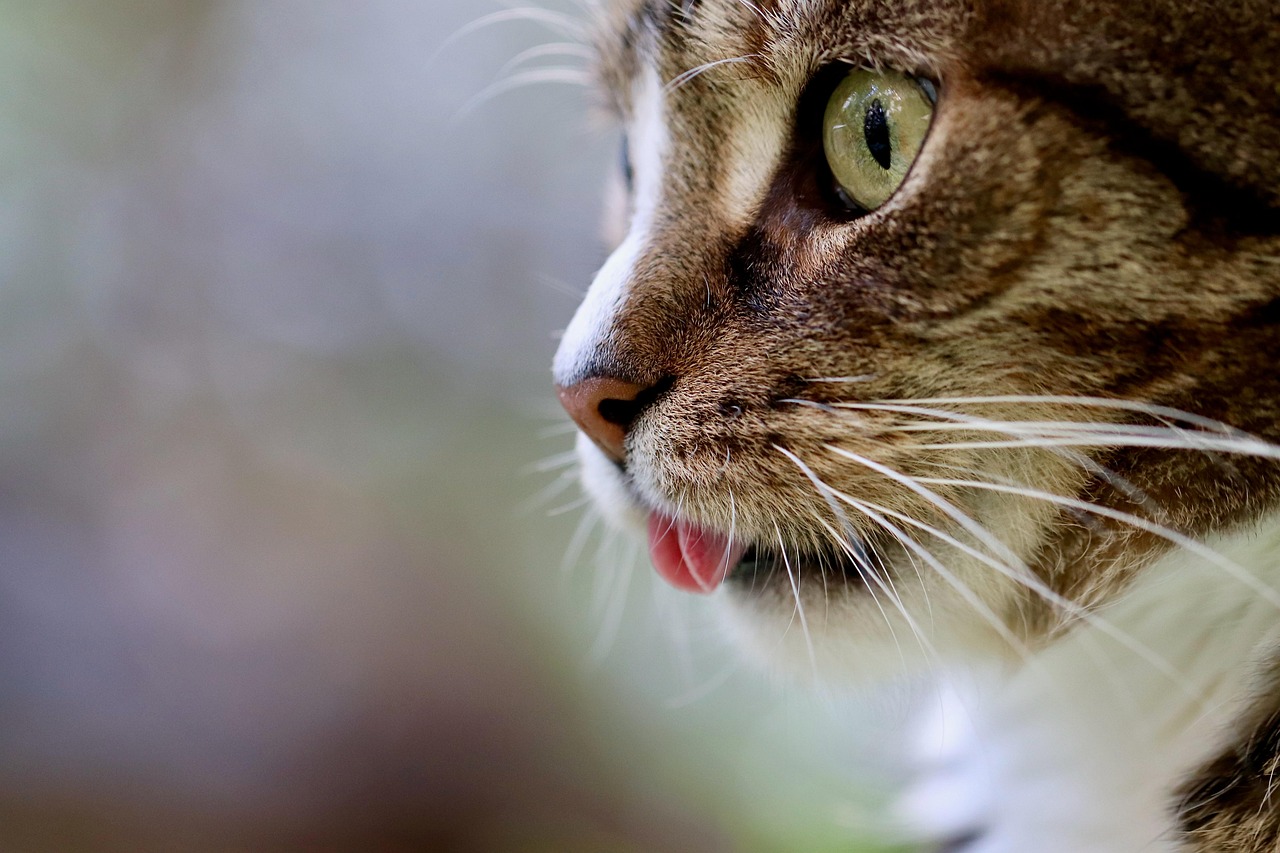

The Role of Carbohydrates in Cat Nutrition
Carbohydrates play a significant role in cat nutrition, providing a readily available energy source for our feline companions. While cats are obligate carnivores, meaning their primary nutritional needs are met through animal proteins and fats, carbohydrates can still have a place in a well-balanced diet. Some commercial cat foods include carbohydrates, such as rice, corn, and potatoes, as they provide additional energy and help with satiety. However, it’s crucial to understand that not all carbohydrates are created equal, and it’s essential to choose sources that are easily digestible and beneficial for cats. For instance, complex carbohydrates are often preferable because they release energy more slowly, aiding in maintaining stable blood sugar levels. The digestibility of carbohydrates can vary significantly, and cats may struggle to process high amounts of simple sugars. It’s also necessary to consider that excessive carbohydrate intake may lead to health issues such as obesity and diabetes in cats. Therefore, finding the right balance in a cat’s diet is vital, and owners should consult with a veterinarian to ensure proper nutrition for their beloved pets.
Understanding how carbohydrates affect a cat’s body is integral for responsible pet ownership. Cats have a unique metabolism that requires specific nutrients primarily derived from proteins and fats. Although carbs provide energy, their dietary necessity for cats is debated. Some experts argue that minimal amounts of carbohydrates can support energy needs, while others believe that cats thrive best on a low-carb diet similar to what they would encounter in the wild. Cats derive energy from fats rather than carbohydrates, which supports natural behaviors like hunting. The addition of carbohydrates can aid in moderation, particularly when feeding commercial diets where they enhance texture and palatability. Moreover, carbohydrates assist in creating kibble forms by providing structure and enjoyment during feeding. It is essential to choose pet foods carefully, selecting ones with high-quality ingredient sources like vegetables and whole grains rather than fillers like sugar or corn syrup. Food with a high glycemic index may lead to spikes in blood sugar, while low-glycemic ingredients can provide a more stable energy supply. Pet owners must evaluate their cat’s overall health condition, age, lifestyle, and activity level when considering dietary carbohydrate intake.
Types of Carbohydrates in Cat Food
In cat food, carbohydrates exist in various forms, including simple sugars and complex carbohydrates. Simple sugars, such as glucose and fructose, are readily absorbed but can lead to rapid changes in energy levels. On the other hand, complex carbohydrates require more time to break down in the digestive system, providing prolonged energy release. Common complex carbohydrate sources in cat diets include brown rice, oats, peas, and sweet potatoes. These components also contribute essential vitamins, minerals, and fiber that promote healthy digestion. Fiber, in particular, is beneficial for maintaining gut health and efficiently regulating the digestive tract. It can help prevent constipation and manage weight by promoting satiety, reducing the likelihood of overeating. However, not all cats have the same tolerance to fiber or carbohydrates, and some may benefit from high-fiber diets while others might thrive on low-carb options. Individualizing your cat’s diet is fundamental, which is why it’s crucial to consult with a veterinarian for suitable carbohydrate sources and proportions based on your cat’s specific needs and health conditions.
When assessing carbohydrate content in cat food, pet owners should read labels carefully to distinguish between quality ingredients and fillers. Many commercial cat foods include starches as a cheap way to bulk up their product, but these starches often lack nutritional value and can lead to health concerns. Whole grains, legumes, and vegetables are the preferred carbohydrate sources because they offer additional nutritional benefits. Owners should also be mindful of high-carb diets that comprise excessive grains or sugars, which can increase the risk of obesity and related health complications. Additionally, manufacturers sometimes employ low-quality ingredients to create cheaper products; therefore, prioritizing reputable brands becomes paramount for pet health. The AAFCO (Association of American Feed Control Officials) provides nutrient profiles that ensure pet foods meet established guidelines for feline nutrition. Always prefer cat food products that exhibit AAFCO certification, ensuring nutritional adequacy for cats. Consulting food experts or veterinarians can also clarify which brands and formulations meet your cat’s dietary needs without compromising their health. Your cat’s long-term well-being will significantly benefit from intentional food choices and the avoidance of unnecessary carbohydrate overload.
Carbohydrates and Feline Health
Cats are inherently adapted to a high-protein, low-carbohydrate diet, mirroring their dietary habits found in the wild. Excessive carbohydrates in their diet can lead to increased risks of obesity, which poses further threats like diabetes and joint problems. Feline obesity can have multiple underlying causes, including overfeeding, lack of exercise, or an imbalance in nutritional components. Ensuring that carbohydrates are only a minimal contribution to their diet can help mitigate these risks effectively. Moreover, choosing the right type of carbohydrate is critical, as some have lower calorie content and higher satiety. Low-glycemic carbohydrates help regulate blood sugar levels and are less likely to cause weight gain. Understanding how carbohydrates interact with proteins and fats in their diet further helps in reducing health risks. Close observance of body weight and overall physical condition can provide valuable feedback on carbohydrate consumption. This way, owners can adjust feeding habits by consulting with a veterinarian to create a personalized nutrition plan that aligns with their cat’s health, age, lifestyle, and activity levels.
In addition to weight management, the right carbohydrate intake can support healthy digestion and nutrient absorption in cats. A well-planned diet that incorporates beneficial carbohydrates can result in improved stool quality and regularity. Fiber-rich carbohydrates like pumpkin or peas assist in promoting digestive health and alleviating constipation issues, which are common in cats. Digestive comfort significantly affects a cat’s overall well-being, making it crucial to monitor their reaction to food changes. Observing their health can guide necessary adjustments in carbohydrate content or sources when modifying their diet. Additionally, some cats may develop food sensitivities or allergies over time, which can also necessitate a reconsideration of their carbohydrate sources. By using high-quality, easily digestible carbohydrate options, owners can support their pet’s health proactively. Furthermore, recognizing signs of digestive distress can prompt immediate dietary evaluation. Owning a cat demands attention to dietary needs, particularly in regards to carbohydrate sources. Ultimately, creating a balanced, nutrient-rich diet tailored to each cat’s unique physiology and health needs ensures optimal health and happiness.
Conclusion on Carbohydrates for Cats
When it comes to feline nutrition, understanding carbohydrates is essential for cat owners. While these macronutrients can serve as an energy source, their role in a cat’s diet must be carefully considered. The famous saying “you are what you eat” applies to our pets as well, underscoring the impact of dietary choices on overall health. Navigating the complexities of carbohydrates ensures that cats receive not only adequate energy but also essential nutrients that support their well-being. Choosing high-quality, digestible carbohydrate sources reinforces overall health and longevity for our cats. A lower carbohydrate intake generally aligns more closely with a cat’s natural dietary needs. Owners should prioritize protein and fat intake while keeping carbohydrates minimal according to the cat’s lifestyle and health considerations. Regular consultations with a veterinarian and thorough label readings can further enhance dietary decisions. Owners can provide ideal nutrition that allows cats to thrive through smart food choices. Thus, finding the right balance of carbohydrates, coupled with essential proteins and fats, leads to healthier, more vibrant cats that enjoy an improved quality of life.
In conclusion, the relationship between cats and carbohydrates is multifaceted, influencing their health and nutritional status. Striking the right balance in their daily diet becomes paramount for avoiding complications associated with high carbohydrate intake. With the use of quality cat foods and understanding how to interpret ingredient lists, owners can significantly improve their cats’ health and vitality. Evaluating dietary needs on a case-by-case basis ensures that nutritional requirements are met without overloading on carbohydrates. By understanding the effects of carbohydrates, cat owners empower themselves and their furry friends to enjoy optimum health. Being proactive about nutrition fosters a mutually enjoyable relationship between humans and their feline companions while promoting longevity and a better overall quality of life. The desire to keep cats healthy should drive owners to investigate the nutritional content of their pet’s food. Emphasizing awareness and proper care can lead to a deeper understanding of feline dietary needs while ensuring their well-being. Ultimately, cats deserve to enjoy a supportive diet that caters to their natural instincts while simultaneously addressing modern health challenges.