
Feeding Schedules for Highly Active Dogs
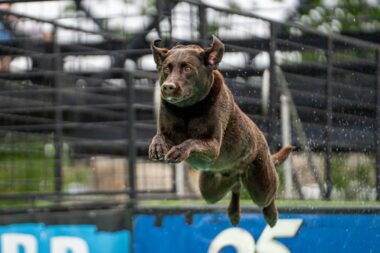
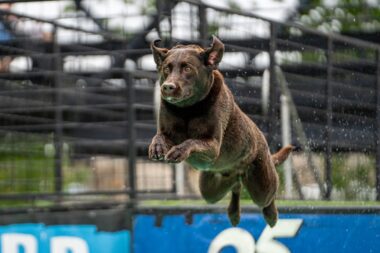
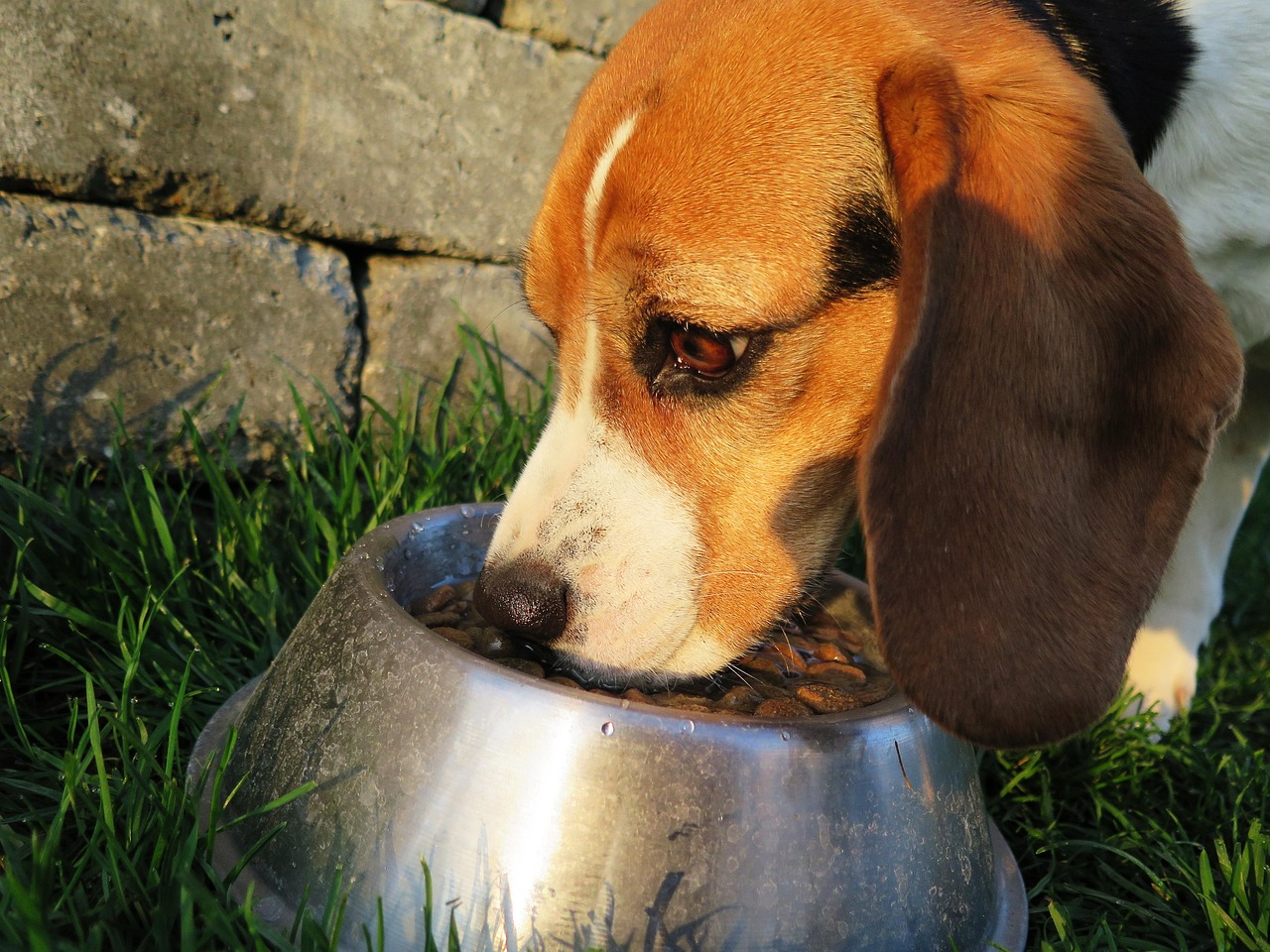
When it comes to highly active dogs, nutrition plays an essential role in maintaining their vitality and health. Proper feeding schedules ensure that these energetic pups receive the nourishment they require. First, it’s crucial to divide their daily food portion into various meals. A recommended approach is to feed them twice to three times a day. This frequency helps to stabilize energy levels, which is important for their active lifestyle. Timing should align with their activity, such as walking or playing. For instance, if your dog is engaged in vigorous exercise, consider feeding them afterward. This timing helps prevent discomfort while promoting optimal digestion. Active dogs often benefit from meals rich in protein, fiber, and healthy fats. Ingredients like chicken, fish, and rice are excellent base options. Always check with your vet to personalize the diet further, as individual dogs have unique nutritional needs. Feeding frequency can vary based on the dog’s age, size, and energy levels. Monitoring their weight and energy can help refine their feeding schedule as needed, ensuring they maintain peak performance.
Understanding the specific nutritional needs of highly active dogs is crucial for their longevity. A balanced diet not only promotes healthy growth but also supports their high energy levels. High-performance sports or demanding work contribute to their nutritional requirements. Regularly scheduled meals ensure they receive the appropriate macro and micronutrients necessary for optimal performance and recovery. Providing sufficient hydration is equally vital, so always ensure fresh water is available. Additionally, consider integrating feeding times with activities; after playtime is ideal for replenishment. A well-timed meal can enhance recovery, allowing them to be ready for the next adventure. Dogs who exercise daily may need up to 50% more food than less active counterparts. However, to avoid overfeeding, it’s essential to track their body condition. Adjustments to their diet can also be necessary if you notice any issues, such as weight gain or fatigue. Consulting with a vet can help navigate possible food allergies or sensitivities. Overall, a consistent feeding schedule, aligned with their activity routine, will help enhance their performance and overall well-being.
Meal Types and Frequency
When establishing a proper feeding schedule for active dogs, understanding various meal types becomes important. Dry kibble often serves as the mainstay for convenience and balanced nutrition. However, freshly prepared meals or high-quality canned food can offer variations that might be more appealing to your dog. Each feeding option offers its benefits and drawbacks, requiring careful consideration. Active dogs often thrive on high-quality proteins, healthy fats, and carbohydrates. Therefore, meals can include lean meats, fish, and vegetables alongside their regular kibble. Moreover, you must balance protein sources with carbs to provide sustained energy. Additionally, many owners prefer using supplements to enhance the nutritional profile. Options include omega-3 fatty acids for improved joint health or probiotics for digestive health. Transitioning to new meal types should be gradual, preventing gastrointestinal distress. Always introduce changes slowly over a week, mixing old and new foods. Regularly evaluate how your dog reacts to the meals, considering factors like energy levels, coat quality, and overall health. Adjusting meal frequency based on these observations can be critical in creating the best possible feeding schedule.
Scheduling training sessions and playtime around meals can significantly enhance your dog’s energy levels. For instance, feeding your dog right after a rigorous workout may help replenish lost energy. Therefore, consider structuring daily activities alongside mealtime to ensure they receive optimal nutrition. It’s advisable to allow one hour between eating and engaging in intensive exercise, minimizing the risk of bloating. Often, monitoring their reactions will guide adjustments in their routines. Highly active dogs, like sporting breeds, frequently require higher caloric intake to sustain their energy. When devising feeding schedules, remember to take training sessions into account. If your dog is preparing for competitions or specific activities, it’s wise to consult a vet for tailored dietary advice. Keeping detailed records of their weight, energy, and overall health can help identify the most effective feeding patterns. Nutrient timing can influence recovery rates and overall performance, emphasizing the importance of a structured feeding routine. Rotating protein sources every few weeks may also enhance their diet, offering varied nutrients to support ongoing activities and avoid monotony in their meals.
Hydration and Snacks
Hydration plays a vital role in an active dog’s nutrition regimen. Providing fresh and clean water at all times is essential, particularly before and after exercise. In addition to drinking water, consider incorporating wet food options that can boost hydration levels effectively. Often overlooked, snacks can also be part of a balanced diet and can double as training rewards. It’s essential to choose healthy treats, as some can be high in calories and unhealthy additives. Consider fruits and vegetables as rewarding snacks—carrots, blueberries, or sweet potatoes offer great nutritional benefits. Much of your active dog’s success will hinge on their hydration status. Energy levels are notably improved with proper hydration and nutrient balance. Monitoring how much water they consume throughout the day can be instructive. If you notice your dog becomes lethargic, it might indicate dehydration. Keeping a water bottle handy during outings will help ensure your dog stays hydrated. Offering ice cubes on hot days can also be an enjoyable way for dogs to hydrate, serving as an entertaining treat while helping to cool them down.
When changing or adjusting your dog’s nutrition schedule, gradual transitions are essential for maintaining gastrointestinal health. Start by mixing the current food with the new option, increasing the proportion over several days. This slow transition allows your dog’s digestive system to adapt effectively, minimizing potential issues. Keep an eye on your dog’s behavior and physical condition during this phase. If any signs of distress appear, revert to the original feeding method immediately. Adjusting macronutrients can also be necessary during different seasons, as energy expenditure may fluctuate due to changes in activity levels or temperature. For instance, you might increase calorie intake during winter months, as dogs typically require more energy to stay warm. Conversely, reduce portions during the warmer months when energy demands might decrease. For dogs engaged in extreme sports, working with a dietitian can provide insights into precise nutritional needs. Seasonal fluctuation in activity levels and dietary requirements can lead to healthier pets. A well-planned feeding schedule, accompanied by careful monitoring, ensures your dog’s nutrition is tailored and effective for their active lifestyle.
Conclusion
In conclusion, establishing and maintaining a proper feeding schedule for highly active dogs involves various considerations. Paying attention to the types of food offered, meal timing, and hydration can significantly enhance their energy levels and performance. Active dogs thrive on protein-rich diets supplemented with essential fats and carbohydrates. Always prioritize high-quality ingredients, ideally tailored and customized to meet your dog’s unique needs. Furthermore, considering snacks and treats, as well as their hydration levels, can vastly improve their health and energy. Adjusting feeding schedules according to seasons or activity levels can prevent overfeeding and promote overall well-being. Consulting with a veterinarian can also provide insights to ensure that the dietary plans align perfectly with your dog’s energetic lifestyle. Keep monitoring their health, mood, and activity to ensure the feeding regimen supports their needs optimally. A well-planned feeding schedule is vital to maintaining optimal weight and promoting peak performance during activities. By implementing these guidelines, you set the foundation for a vibrant, healthy life for your active dog, ultimately ensuring their happiness and longevity.
Overall, the intricacies of planning for feeding schedules highlight the importance of being observant and adaptable.