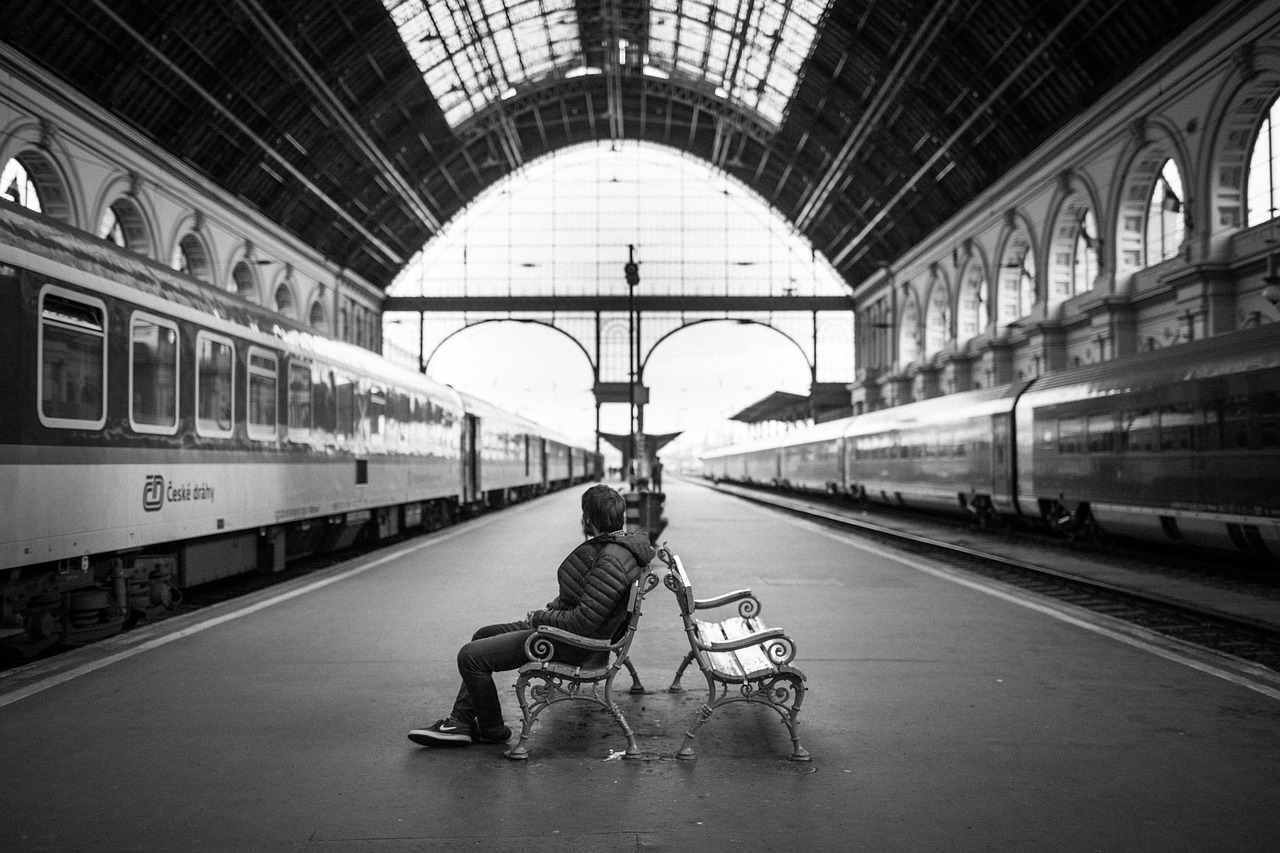

Training Your Dog to Use Public Transportation Safely
When introducing your dog to public transportation, it is crucial to start slowly and calmly. Begin with familiarizing your pet with the sights and sounds of various transport modes, including buses, trains, and subways. Each environment can be overwhelming for dogs unfamiliar with public transportation. Patience is paramount, so reward your dog frequently with treats for calm behavior. Gradually expose them to bus stops or train stations by simply standing near them without boarding. This approach helps alleviate anxiety and allows them to form positive associations with these environments. Additionally, practicing commands such as ‘sit’ and ‘stay’ in these locations can significantly benefit your dog when navigating the space. Consider visiting during quieter times to better manage distractions. Pre-travel training sessions prepare both you and your dog to handle potential stressors that arise from transportation. Familiarization builds confidence, which is essential for a successful travel experience. Always remember to have essential items like water, a leash, and poop bags for any situation that arises. With consistent practice, your dog will become more comfortable with public transportation.
Building a strong foundation in basic commands will aid your dog in mastering public transportation etiquette. Commands like ‘leave it’, ‘down’, and ‘come’ are particularly beneficial. Use these commands during training sessions to ensure that your dog is obedient and responsive. When in crowded spaces, quick commands prevent potential mishaps that can cause stress for both you and your furry companion. To promote good behavior on public transport, consider enrolling your dog in a basic obedience class. These classes not only refine your dog’s skills but also provide exposure to distractions similar to public transport environments. Regular practice in varied settings can dramatically improve your dog’s focus. Reinforcing good behavior positively is essential; use treats, praise, or playtime to encourage compliance with commands. Create fun games incorporating these commands to keep the training engaging. Socializing your dog with other well-mannered dogs can also be beneficial, as it introduces them to various behaviors. Furthermore, ensure your dog is comfortable wearing a harness or special travel gear. This can help them associate these items with positive experiences during your outings.
Essential Gear for Traveling with Dogs
Your dog’s travel experience can significantly improve with the right accessories designed for public transportation. Start with a sturdy, well-fitting travel harness or carrier that provides comfort and security for your dog during the ride. Opt for carriers specifically crafted for public transit, ensuring they meet the requirements of your area. Ensure that your dog is accustomed to the carrier or harness before your trip. Additionally, having a portable water bowl can keep your dog hydrated during travel. Small, collapsible bowls work well as they fit easily into bags without taking much space. Always carry waste bags to clean up after your dog, maintaining cleanliness and consideration for fellow travelers. A familiar blanket or toy can comfort your dog, offering them a sense of security in new environments. As you prepare for your journey, think about your dog’s safety. Make use of reflective gear or LED collars if traveling during low-light conditions, ensuring they are visible. Establishing proper gear selection additionally assures not only comfort but practicality for your adventures. Transitioning to public transport is easier with the right equipment.
Before embarking on a trip, practice short journeys on public transportation. This practice allows your dog to acclimate to these experiences without facing overwhelming longer distances right away. Begin with trips lasting only a few stops, gradually extending the duration as your dog becomes more comfortable. Observe your furry friend’s behavior during these rides; look for signs of stress, which can include whining or excessive panting. Training sessions immediately followed by relaxing activities, like a fun game or a treat at the destination, will build positive associations with transit experiences. Always ensure your dog is always securely leashed or contained in a carrier while on public transportation. This is not just important for your dog’s safety; it is also a legal requirement in many areas. Pay attention to the nuances of local transit regulations as they vary by location and transportation method. Being well-informed regarding specific rules enhances your and your dog’s travel experience. As you increase journey lengths, consider offering recommendations of respite areas to your dog. Making travel safe and fun contributes to a harmonious experience for everyone involved.
Socialization is Key
Socializing your dog with different people and environments plays an essential role in preparing them for public transportation. It helps your dog develop confidence and curiosity about their surroundings. Start by introducing your dog to various social situations, such as crowded parks or pet-friendly gatherings. Positive experiences early on can significantly enhance your dog’s comfort with unfamiliar environments. Organize playdates or enjoyable outings with well-behaved dogs, allowing your pet to learn from their peers. Encourage interaction with friendly strangers, utilizing treats for reward-based incentives. Gradually expose your dog to new environments while staying positive throughout the process. Consistent reinforcements create a more adaptable attitude towards different settings. Also, allowing your dog to observe and interact with places resembling transportation systems strengthens their understanding of what to expect. When constructing this socialization framework, remember that patience is vital. Gradual exposure prevents overwhelming reactions. Use these strategies to develop a well-rounded dog who exhibits confidence and good behavior in public transportation settings. Ultimately, well-socialized pets create a positive experience for fellow travelers, enhancing the enjoyment for both pet owners and passengers.
Understanding your local public transportation system and its specific regulations is important for successful travels with your dog. Each transport method may have varying rules regarding pet size, leashes, and carrier requirements. Familiarize yourself with these guidelines before planning your journey. Paying attention to schedules and peak hours can significantly ease your travels, given that these can be busy times. Choose off-peak hours for less crowded rides to minimize stress for your dog. Being well-prepared with travel information, such as maps and train schedules, can ensure a smoother transit experience. In case of unexpected delays or disruptions, it’s good to have a contingency plan in place. Have a list of nearby parks or pet-friendly cafes for breaks when necessary. Consider investing time in researching pet-friendly routes online, as local community forums often provide firsthand advice. Always maintain a positive attitude, and keep your dog calm and collected throughout unexpected scenarios. Provide distraction techniques, such as encouraging play or offering treats, inside the carrier. With practice and preparedness, your adventures on public transportation can be both enjoyable and rewarding for you and your dog.
Conclusion and Tips for Successful Travelling
In conclusion, training your dog to confidently travel on public transportation is achievable with effort and consistency. Implement these strategies to ensure smooth and successful journeys. Reinforcing essential commands, ensuring emotional comfort, and socialization contribute to confident travel behavior. Establishing the right routine combines short practice trips with gradual exposure, resulting in a well-trained dog ready for public transport. Don’t forget the importance of essential travel gear and familiarity with the local transportation system. Practicing good etiquette through clean-up and considerate behavior makes traveling with dogs more pleasant for everyone. Creating positive associations through treats and rewards further enhances your dog’s travel experience. Lastly, keep an open line of communication with your dog during these outings. Your calm and reassuring presence helps minimize anxiety and promotes a feeling of security. With patience and attention to detail, you can teach your dog how to navigate public transport safely and enjoyably. Establishing a well-rounded travel program turns your journeys into a bonding experience between you and your dog. In turn, this builds confidence and resilience for both during everyday travel and future adventures awaiting exploration.
As you pursue this goal, stay committed to the journey of training your dog for public transportation. Approach this experience as a team effort, fostering a spirit of adventure together. Celebrating small victories during your training builds trust and strengthens the human-animal bond. Always remember that each dog is unique, and training timelines will differ; be adaptable and observant of your companion’s needs. Enjoy every moment and encourage exploration throughout this enriching process. Ultimately, the work you put into this training pays off with shared adventures and unforgettable memories. Your confidence in managing public transportation can influence your dog’s confidence while traveling. Create an enthusiasm for future outings together, transforming public transport into an exciting part of your dog’s routine. Most importantly, have fun and cherish the moments spent together. A well-trained and socialized dog means fewer worries during community outings and shared adventures. With your guidance, your dog will thrive and respond well to public transportation. Successfully navigate these new experiences together and embrace the joy of your journey.