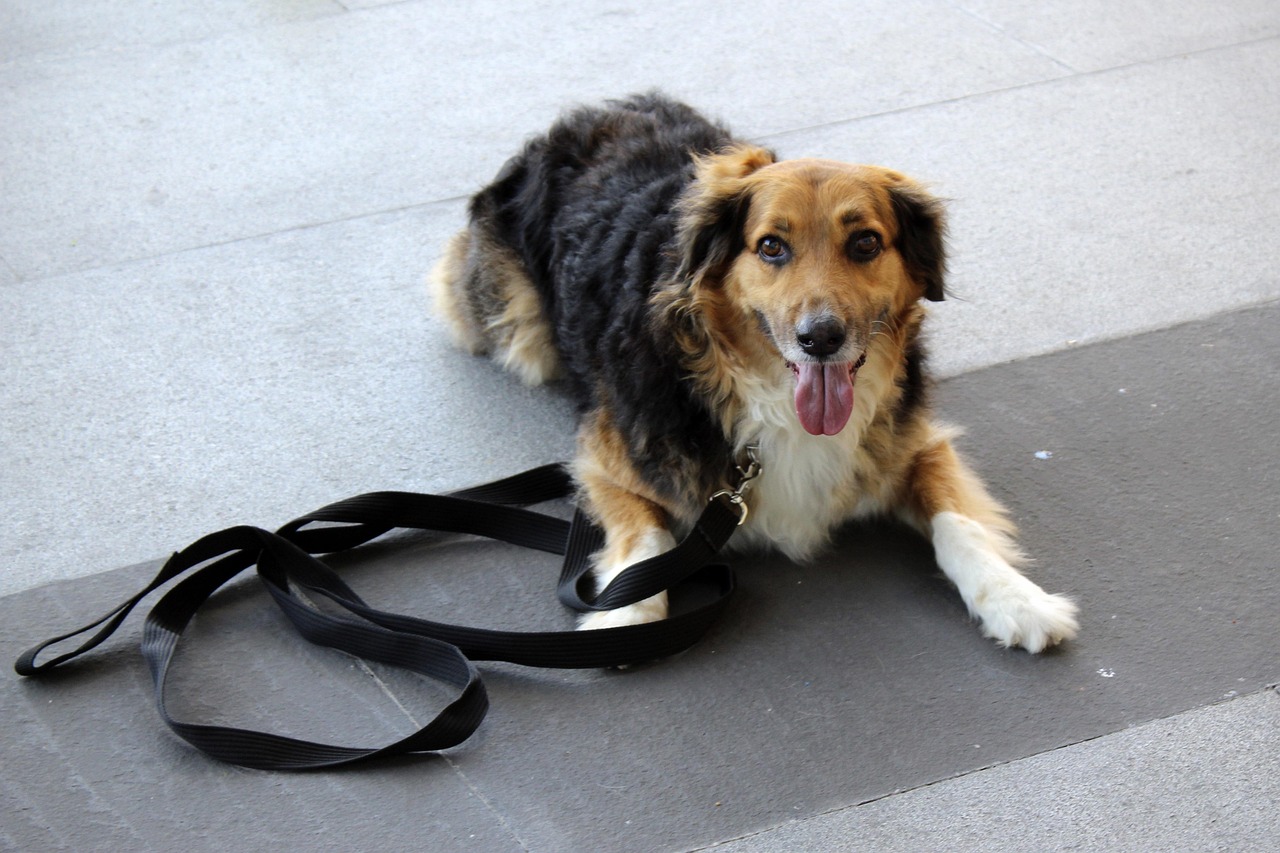

Training Techniques for Hyperactive Dogs
Hyperactive dogs can be a challenge for any pet owner. With high energy levels, these dogs require effective training techniques to develop good behavior. Understanding their needs is crucial to creating a balanced environment. Consistent training helps to channel their energy positively. One effective method is the use of positive reinforcement. This technique involves rewarding your dog for displaying desired behaviors. Treats, praise, or toys can be effective rewards. Additionally, consistency in commands is vital. Using the same words and gestures for commands helps the dog to learn faster. Providing mental stimulation through puzzle toys can also keep hyperactive dogs engaged. Regular and structured exercise routines help burn off excess energy. Daily walks, playtime, and agility training are excellent ways to keep them physically fit. Socialization is another critical aspect of their training. Exposing hyperactive dogs to various environments, people, and other dogs helps them to become well-adjusted. For long-term results, training should be a fun and rewarding experience. Hence, owners should remain patient and understanding throughout the process to foster a strong bond with their furry companions.
Another effective technique for training hyperactive dogs is introducing a calm environment. Establishing a quiet and controlled space free from distractions can significantly improve their focus. Start training sessions in this calm area and gradually introduce distractions as the dog learns. Hand signals can complement verbal commands, making it easier for the dog to understand what’s expected. Using ‘sit’, ‘stay’, and ‘come’ commands reinforces obedience. Additionally, incorporating short training sessions that last about five to ten minutes prevents overwhelming the dog. Frequent, brief sessions keep their attention and maintain their engagement. Calming activities such as massage or gentle petting can also be beneficial. These activities help to ease anxiety and encourage relaxation. Positive reinforcement must be consistent during training. Every time your dog performs the desired action, reward him immediately to create a clear connection between the action and the reward. Limit distractions during these training times to ensure success. Address any behavioral problems promptly and calmly to prevent them from worsening. If you’re struggling, consider consulting a professional dog trainer who has experience working with hyperactive breeds.
Structured playtime is another technique to manage hyperactive dogs effectively. Engaging in activities like fetch, tug-of-war, or agility training provides them with the physical outlet necessary to burn off energy. Incorporating obedience commands into these play sessions reinforces training while making it enjoyable. Rotating toys can prevent boredom, keeping your dog entertained and less likely to engage in unwanted behaviors. Remember to be the one who initiates playtime, allowing you to guide how and when he plays. Teaching the dog to play fetch requires repetition and praise; every retrieval should result in a reward. Ensuring that the dog is well-socialized is key to managing hyperactive energy during playtime, as interacting with other dogs can enhance their social skills. This interaction helps them learn to remain calm in different environments. Always supervise playtime to enhance security and monitor for overstimulation. When it’s time to wind down, consider transitioning to quieter activities. Reading a book, listening to music, or letting them chew on a toy encourages relaxation until they are ready to play again.
Creating a Routine
Creating a routine is crucial in managing hyperactive dogs. Establishing a daily schedule that includes consistent feeding, exercise, and training times gives dogs structure. When dogs know what to expect throughout the day, they tend to relax more, enabling better obedience. Routine also helps owners become more disciplined in their training efforts, making it easier to manage a hyperactive dog. Incorporating obedience training into the daily routine can provide the dog with mental stimulation. Dogs thrive on stability, and knowing when it’s time for walks, play, and rest encourages a calm mindset. Using crates can aid in establishing a defined space for the dog during downtime. However, crating should not be used excessively; ensure that crate time is balanced with training and social interaction. After playtime, always implement a cool-down period. This reflects the final routine aspect, allowing a gradual transition to a relaxed state. Monitoring your dog’s energy levels and adjusting the routine accordingly can yield the best behavior. Consult a veterinarian or trainer to pinpoint optimal feeding and exercise times based on your dog’s individual needs.
In addition to a structured routine, teaching impulse control is vital. This skill is critical for hyperactive dogs, as it enables them to manage their energy and excitement. One practical exercise is the ‘wait’ command, which teaches the dog to remain in place until given permission. Use a treat as a lure, guiding them to a seated position, rewarding them once they comply. Practice this in various situations, gradually increasing distractions to ensure reliability. Another game to instill impulse control is ‘leave it,’ which helps the dog resist temptations. During training, start with an item they like, teach them to ignore it, and reward them for their self-control. Impulse control exercises prevent jumping, lunging, and excessive barking. Similarly, teaching the dog to practice duration in commands can also benefit hyperactive dogs. For example, ask your dog to stay for increasingly longer periods. Reinforcing these commands forms an understanding of self-regulation. Consistency in practice leads to long-lasting habits and significantly enhances your relationship with your hyperactive companion. This commitment to teaching impulse control is an essential part of the journey to achieving a well-rounded dog.
Providing Mental Stimulation
Providing adequate mental stimulation is critical in managing hyperactive dogs effectively. These dogs often require more engaging activities that challenge their intellect. Puzzle toys filled with treats encourage problem-solving skills and keep their minds occupied. Incorporating interactive games that require participation enhances the dog’s focus. Flirt poles or laser pointers can stimulate their natural chasing instincts while offering exercise. Training sessions should not solely focus on physical activities; mix in mental challenges as well. Teaching new tricks, scent games, or practicing obedience on a long leash are great ways to keep them engaged. Varying activities prevents boredom and promotes mental fitness. Implement playdates with other dogs to provide crucial socialization; different interactions stimulate their minds. As dogs socialize, they develop better communication skills, reducing hyperactivity from fear or confusion. Consider enrolling in dog sport classes if you’ll have ample time. Activities like agility or flyball can channel the high energy positively while improving obedience skills. Always adapt mental exercises to be suitable for your dog’s age and breed, ensuring they remain safe and enjoyable throughout the process. Prioritizing mental stimulation fosters a calmer demeanor in hyperactive dogs.
Lastly, if you find training hyperactive dogs challenging, consider the role of physical health. A dog’s physical wellness directly affects their behavior. Regular veterinary check-ups help to identify any health issues that may contribute to hyperactivity. Ensure your dog follows a balanced diet tailored to their needs. Nutrition plays a vital role in their energy levels and behavior. Overweight dogs may exhibit irritability and excessive excitement. Maintaining an ideal weight is essential for their overall well-being. Alongside diet, ample, daily exercise is required. Strive for at least an hour of high-energy activity each day, carefully considering your dog’s breed and energy levels. Swimming, playing fetch, and long walks are excellent physical outlets for hyperactive breeds. Furthermore, engage in joint activities, which strengthen your bond while keeping your dog physically active. Understanding your dog’s unique needs and capabilities is key to developing a productive training routine. Personalizing your training approach will yield favorable results in behavior and discipline levels. In summary, consider the total well-being of your dog to achieve successful training with hyperactive pups.
Understanding your hyperactive dog’s needs can improve your training effectiveness. As you implement these techniques, remain adaptable to your dog’s specific requirements. Progress may take time, so patience is essential in navigating their challenging behaviors. Consult professional trainers, behaviorists, or local training classes to supplement your learning. Consistent positive reinforcement and clear commands build trust and solidify the training bond you share. As your techniques evolve, continue to embrace patience, flexibility, and creativity. Your commitment to training will ultimately yield a well-behaved and happy dog. Using a combination of these strategies over time enhances the quality of life for both you and your furry friend. With dedication, you’ll witness a transformation in behavior, ensuring more enjoyable experiences as you navigate the world together. Celebrate small victories along the way, recognizing your efforts and your dog’s accomplishments. Remember, the journey of transforming your hyperactive dog is rewarding, and with love and guidance, your bond will flourish. Keep these skills in mind as your dog matures, adjusting your techniques to meet her evolving needs. Dog parenting is about growth, learning, and creating lasting connections with your joyful companion.