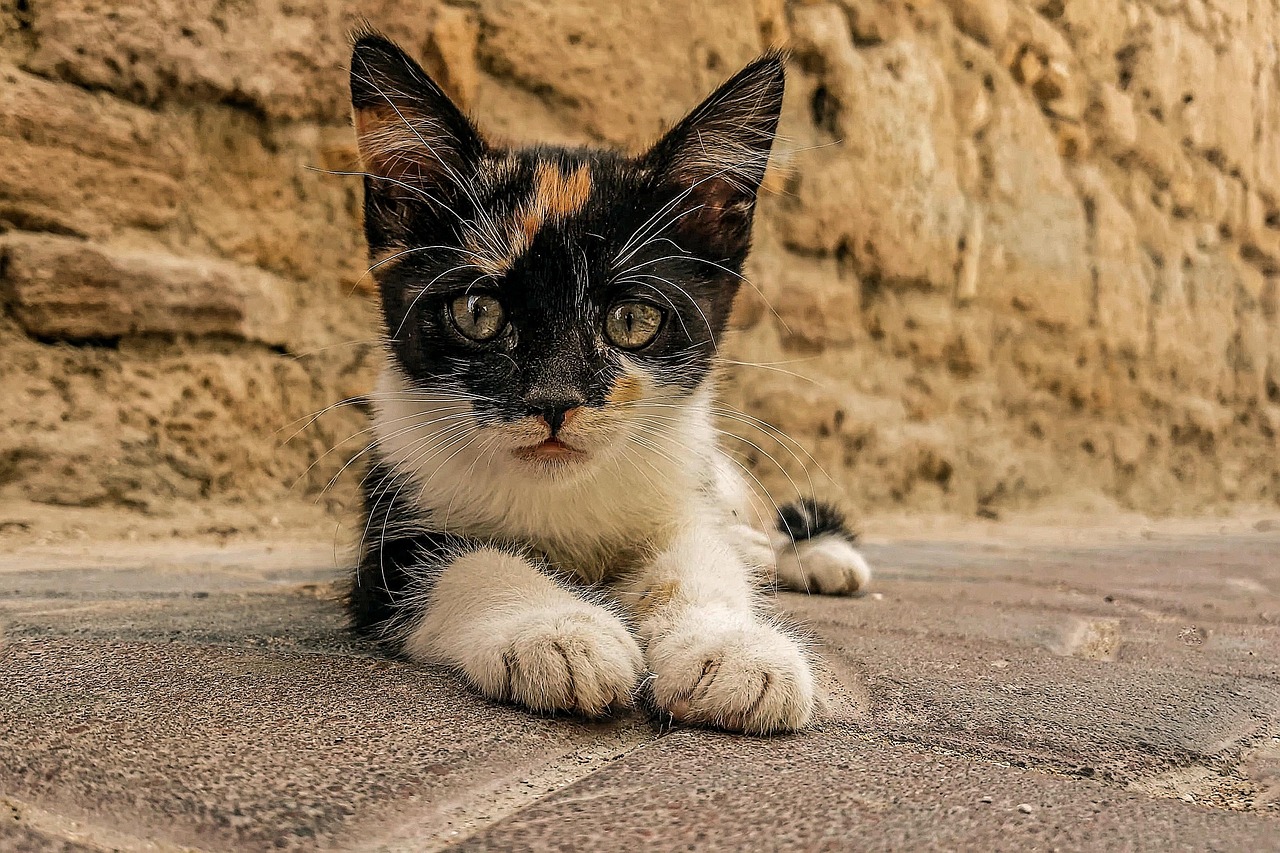

Photography Settings to Capture Soft Cat Features Peacefully
Capturing serene and beautiful images of your feline friends relies heavily on understanding basic photography settings. Begin with aperture, a critical factor determining your image’s depth of field. A larger aperture (smaller f-number) gives a blurred background, emphasizing the cat’s soft features. This technique makes your cat stand out in a visually pleasing way. Next, consider adjusting your ISO. If you’re photographing indoors, a higher ISO can help maintain a bright photo without significant motion blur. Conversely, outdoors in daylight, you can decrease your ISO for clearer images. Shutter speed is equally important; ensure it is fast enough to capture quick movements without blurring. Shots of playful cats require quick adjustments to prevent missed moments. Using burst mode can also help capture that perfect expression, especially if your feline is energetic. Focus on the cat’s eyes, as they are often the most expressive feature. Additionally, consider using manual focusing for precision. With the right settings, you can create stunning images that depict your cat’s unique personality, offering both warmth and comfort in every captured moment.
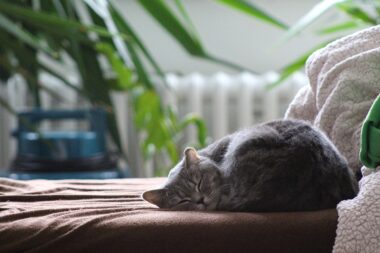
Creating a calming environment is essential for effective cat photography sessions. Cats are known for their sensitive nature, so reducing stress during a photo shoot can help. First, choose a quiet space free from disturbances, allowing your cat to feel secure. You can even incorporate their favorite items, like toys or blankets, to provide familiarity. Consider the lighting conditions; natural light is ideal, as it creates a softer look and prevents uncomfortable flashes that might scare them. Try to shoot during times of the day when light is soft, such as early morning or late afternoon. Using a tripod can also stabilize your camera, preventing sudden noises that may startle your pet. Furthermore, patience is key; let your cat explore the space without rushing them. If they feel pressured to perform, it may lead to unwanted stress and less desirable images. When they feel comfortable, begin taking photos without making abrupt movements. This peaceful approach increases the likelihood of capturing genuine expressions and soft features. Over time, your cat will associate the camera with a relaxed environment, making future sessions easier and far more enjoyable for both of you.
Composition Techniques for Stunning Cat Portraits
Mastering the art of composition is vital in cat photography. Start by applying the rule of thirds, which involves dividing your frame into a 3×3 grid. Position key elements, such as your cat’s eyes or facial features, along these lines or at their intersections. This technique results in dynamic, balanced images that draw viewers’ attention. Experimenting with various angles can also yield unique perspectives. Try shooting from the cat’s eye level to capture their world authentically. This viewpoint often reveals their personality, making the images resonate more with viewers. Additionally, ensure the background enhances rather than distracts from your subject. A simple backdrop can help highlight the cat’s features. Use negative space around your cat to create a feeling of tranquility, allowing the viewer’s focus to remain on them. You can also incorporate elements of nature, such as plants or soft fabrics, to add texture and interest to the shot. Remember to focus on the eyes, ensuring they are sharp and vibrant. Capturing just the right composition will showcase your furry companion’s soft features beautifully and engagingly.
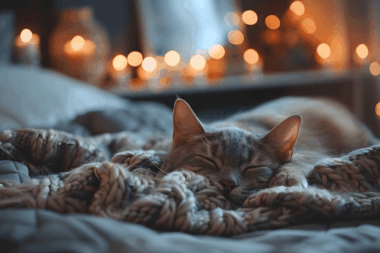
Lighting plays a pivotal role in achieving exceptional cat photography. Natural lighting often produces the softest results, perfect for emphasizing a cat’s delicate features. Avoid using harsh artificial lights, as they can cast unflattering shadows on your subject. Instead, position yourself near a window or outdoors during golden hour, which occurs shortly after sunrise or before sunset. If you must use artificial light, consider softening it with a diffuser to reduce harshness. Experiment with backlighting as well; it can create a magical glow around your cat. This technique enhances the softness of their fur and adds an ethereal touch to your images. You can capture stunning silhouettes by positioning your cat between the light source and the camera. Try varying your exposure settings to achieve the desired brightness, ensuring that your cat remains the focus. Be mindful of overexposure, as it can wash out essential details. The right lighting choice can evoke emotions, creating artful expressions out of your furry friend. Always remember to monitor how light interacts with your subject, adjusting your position accordingly, ensuring you capture every adorable moment perfectly.
Equipment Choices for Optimal Cat Photography
Choosing the right equipment can immensely impact your cat photography experience. A DSLR or mirrorless camera offers better control over settings compared to a smartphone. Moreover, selecting a good lens is crucial; a fast prime lens (like a 50mm or 85mm) with a wide aperture allows for excellent image quality and low-light performance. This can help achieve that beautiful bokeh effect in your images. A zoom lens may also be practical for capturing candid moments without intruding on your cat’s space. For added stability, especially during low-light situations, a tripod can help reduce camera shake. However, remember the importance of a quick shutter speed to freeze those playful actions, so you don’t miss capturing those precious fleeting moments. Consider investing in a remote shutter release, which minimizes vibrations during shooting. For additional versatility, accessible lighting equipment such as reflectors can enhance natural light or fill in shadows created by harsh sunlight. Ultimately, the right combination of equipment can refine the final clarity and presentation of your photos, resulting in stunning visuals that showcase your beloved cats with elegance and warmth.
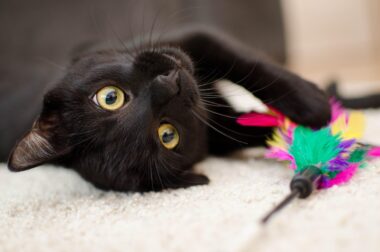
Engaging your cat during photoshoots is essential for capturing their true essence. Utilize their curiosity by incorporating toys or even treats to draw them into your frame. Consider using catnip toys to elicit playful and spontaneous behaviors, resulting in genuine emotions. Pay attention to their behavior; photograph during times when they naturally feel playful or relaxed. Allow them to explore, and capture those candid moments that reveal their personality. Incorporating sound can also capture attention; gentle, high-pitched noises often engage cats. Experiment with different sounds, like crinkling wrappers or soft jingles, to see what resonates most with your cat. This facilitates spontaneous interactions, giving you a wider range of images to choose from. You can also create a small obstacle or tunnel for them to explore, allowing them to showcase their playful nature. Show patience, allowing your cat to take the lead while you follow with your camera. Continuous attempts will yield an impressive assortment of delightful photographs that express heartfelt moments. Each session provides a chance to build trust between you and your feline while creating cherished memories through captivating photographs.
Post-Processing Techniques for Beautiful Cat Photos
Post-processing cat photos can significantly enhance their overall appeal. Start by adjusting brightness and contrast, ensuring that your subject’s delicate features shine through effectively. Use software like Adobe Lightroom or Photoshop to apply subtle edits without overdoing it. Adjusting saturation can revive colors gently, especially if your cat has unique markings. Cropping can also refine the composition, removing distractions while enhancing focus on the subject. Experiment with sharpening tools to bring out the fine details in your cat’s fur and eyes. Be careful not to oversharpen; a moderate touch maintains a natural appearance. Applying a soft vignette around the edges can accentuate your cat’s features further, directing the viewer’s eye towards the center of the image. Additionally, consider converting some images to black and white for a timeless quality, emphasizing textures and expressions. Experimenting with different filters can also provide a unique style, adding a bit of creativity to your work. Always keep a copy of the original untouched image in case further edits are needed later. Ultimately, a little post-processing can take your already captivating cat photos to an exceptional level of artistry.
In conclusion, mastering the art of calm cat photography involves various techniques. Understanding settings like aperture, shutter speed, and ISO enables captures that highlight soft features beautifully. Creating a peaceful atmosphere is equally essential, allowing cats to relax and express their true selves. Composition techniques help build eye-catching images while effective lighting emphasizes delicate features. Choosing the right equipment makes a notable difference, as it permits flexibility and better control over your photography. Engaging cats in the moment and allowing their personalities to shine makes each shot special. Lastly, post-processing enhances final images, offering a chance to elevate their appeal. By integrating these approaches, you can create striking and heartwarming portraits of your feline companions that are cherished for years to come. With patience and practice, your photos will tell a story, reflecting unforgettable memories alongside your beloved cats. Keep applying these methods, and enjoy the journey of exploring your skills in cat photography. Celebrate the uniqueness of each moment and every session, for they contribute to your artistic expression. With time, you’ll develop a style that resonates with both you and your audience, showcasing your affection for cats through stunning photographs.