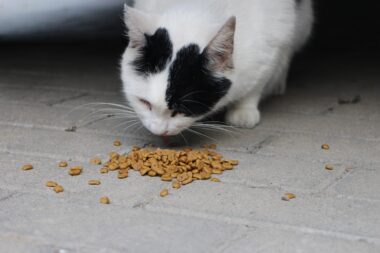

How to Prevent Foodborne Illnesses in Cats
Ensuring food safety for your cat is paramount in preventing foodborne illnesses. Many pathogens can contaminate food, leading to severe health issues in felines. Always wash your hands before and after handling cat food. This simple practice can drastically reduce the risk of transferring harmful bacteria. Maintain your cat’s feeding area in a clean state. Regularly clean food bowls with hot, soapy water to eliminate any lingering germs. Avoid leaving wet food out for extended periods, as this can encourage bacterial growth. When feeding raw diets, it’s critical to understand the associated risks. Raw meat can harbor dangerous bacteria such as Salmonella or E. coli. If you opt for a raw feeding approach, consult your veterinarian for safe handling and preparation techniques. Additionally, store cat food properly; keep dry food in a cool, dry place and check for expiration dates. If you notice any signs of spoilage, discard the food immediately. Keeping an eye on your cat’s health is essential. Regularly consult with a vet to spot any potential issues early. By making informed decisions, you can greatly enhance your cat’s overall wellbeing.
Understanding Common Foodborne Illnesses
Awareness of common foodborne illnesses in cats is vital for prevention. Cats can suffer from various gastrointestinal infections caused by bacteria, viruses, or parasites present in contaminated food. Salmonella and E. coli are among the most prevalent pathogens. Symptoms of foodborne illness can include vomiting, diarrhea, lethargy, and even fever. If you suspect your cat has consumed contaminated food, seek veterinary care immediately. Another potential threat arises from moldy or spoiled food. Certain molds produce mycotoxins, harmful substances that can lead to poisoning. Always inspect canned and dry food for any signs of mold or unusual odor before offering it to your cat. If you find anything suspicious, do not risk it—dispose of the food immediately. Be cautious when introducing new foods into your cat’s diet. Transition to new products gradually to avoid upsetting your cat’s stomach. Understanding the signs of foodborne illnesses can also empower you to take proactive measures. Keep your vet’s number handy for emergencies, and ensure that your cat receives regular health checkups to monitor its dietary needs.
Hygienic food prep is vital for cat owners. The kitchen can be a source of cross-contamination, especially if both human and cat foods are prepared in the same area. Make sure to use separate cutting boards for raw meat intended for cats versus those for yourself. Always wash utensils and surfaces with hot, soapy water after preparing meals. Consider using a dedicated area for your cat’s food to minimize chances of contamination. When handling canned food, ensure to wash the lid thoroughly before opening. Metal can lids can harbor bacteria and dirt from storage conditions. After opening canned food, always refrigerate any unused portions promptly and ensure they are consumed within a few days. Label any homemade or raw food items with preparation dates to keep track of freshness. If you prepare homemade meals for your cat, follow reputable recipes vetted by veterinarians. Do not substitute ingredients as they may cause nutritional imbalances or health risks. A well-structured approach to handling your cat’s meals can greatly lower the risk factors associated with foodborne illnesses.
The Importance of Proper Storage
Proper storage of cat food is crucial in maintaining its safety and nutritional integrity. Store dry food in airtight containers to keep away moisture and contaminants. Sealable plastic bins or glass jars work well for this purpose. Exposure to air can lead to oxidation, making the food stale and less palatable. Be cautious about storing bags of cat food—do not place them directly on the floor, as pests or moisture can compromise their quality. The pantry or a cool, dry location is preferred for storage. If you buy bulk food, make sure you are aware of the turnover rate. Always track expiration dates to avoid any surprises that could compromise your cat’s health. For canned food, unsealed or damaged containers must be discarded, as they may harbor spores or bacteria. Furthermore, ensure that you maintain an organized feeding schedule. Freshness becomes critical as your cat’s diet influences its health. Understanding how preservation methods work plays a significant role in promoting your cat’s longevity. Regularly check your pantry and feeding supplies to ensure they meet your cat’s dietary needs and health.
Understanding the signs of contamination is key to keeping your feline friend safe. The appearance, smell, and even texture of food can indicate whether it is safe for consumption. Always be cautious with dry kibble; if it has an unusual smell or shows signs of insect activity, dispose of it. Monitor your cat’s responses after meals—if your cat exhibits any unusual behavior or symptoms, consult your veterinarian. Additional resources are available for cat owners looking to improve their pet’s nutrition. Websites, veterinary clinics, and local pet shops often have information regarding safe feeding practices and common food safety concerns. Discuss your findings with your veterinarian to confirm the safety of your cat’s diet and learn about newer products available on the market. Additionally, involve family members in food safety awareness practices. Each person handling the cat’s food must understand the importance of cleanliness and proper storage. Consistency in safety practices can lead to fewer issues regarding foodborne illnesses. Staying vigilant will go a long way in ensuring that your cat remains happy and healthy.
Benefits of Consulting a Veterinarian
Consulting a veterinarian plays an important role in your cat’s nutritional health and safety. Regular vet visits provide opportunities for you to discuss optimal feeding practices tailored to your cat’s specific needs and lifestyle. Additionally, your veterinarian can guide you on the signs and symptoms of foodborne illnesses. They will assess your cat’s weight, health condition, and dietary habits to formulate effective feeding strategies. When considering dietary changes, including supplements or transitioning to raw diets, always involve your vet in the discussions. They can recommend appropriate brands and formulations based on nutrition requirements. Continuous education in veterinary practices is another benefit; your vet can keep you updated on the latest advancements in pet nutrition and food safety protocols. Also, having a good relationship with your veterinarian can help build trust in making informed decisions about your cat’s health. Reach out for advice on how to handle specific concerns and product safety information. A proactive approach can significantly decrease the incidence of foodborne illnesses in your feline companion, promoting longer, healthier lives.
In summary, ensuring food safety for cats significantly reduces the risk of foodborne illnesses. By understanding proper food handling, recognizing the signs of foodborne illnesses, and regularly consulting with your veterinarian, you can better protect your feline friend. Make it a habit to wash hands and feeding areas often while ensuring that food storage practices are consistently applied. Be aware of expiration dates and signs of spoilage when it comes to both dry and wet food. Also, familiarize yourself with common pathogens that may affect your cat and become adept at recognizing signs of dietary distress. Share this information with other cat owners to promote community awareness. An educated cat owner is an empowered one, capable of taking the right steps to provide a safe feeding environment for their pets. Keep ongoing dialogue with family and pet care professionals to ensure compliance with best practices. With diligence and care, you can foster a healthy, disease-free life for your cat, contributing to a loving and harmonious household.