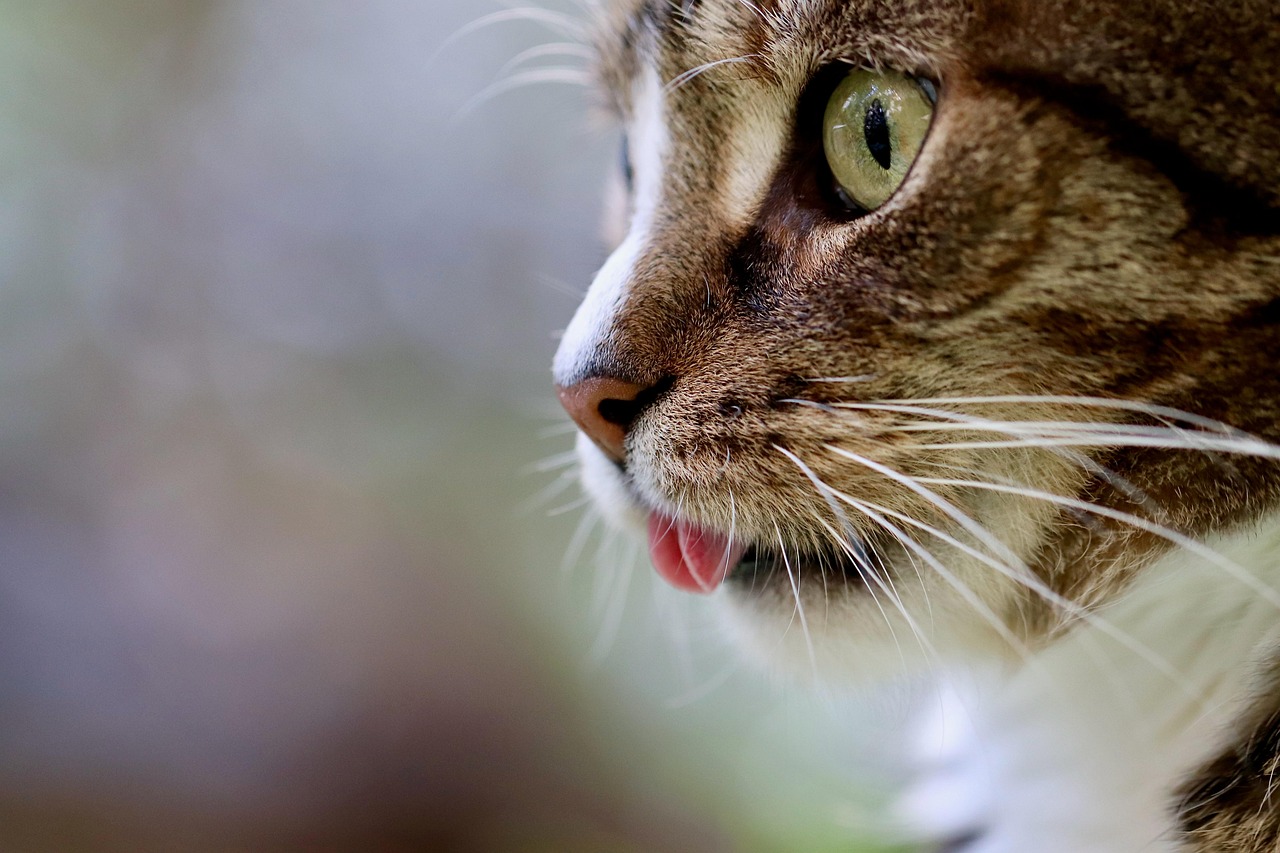

Common Challenges of Cat Heat Cycles and How to Overcome Them
Understanding feline behavior during heat is crucial for cat owners. A female cat typically experiences her first heat cycle around six months of age. During this time, cats undergo physical and behavioral changes that can be challenging for owners. Female cats may exhibit signs such as increased vocalization, restlessness, or affectionate behavior. She might roll on the floor or present herself to you, signaling her readiness to mate. These behaviors can be perplexing, especially if you’re a first-time cat owner. It’s essential to know that this natural cycle occurs several times a year, and its intensity may vary. In some cases, the cat may also spray to mark her territory, which can be frustrating for the owner. Understanding that these behaviors are instinctive allows you to manage them better. Ensuring your cat feels secure at this time can reduce anxiety. Providing safe spaces, interactive toys, and maintaining a routine can help your cat cope. Additionally, considering spaying can prevent these issues, benefiting both you and your feline friend in the long run.
Each cat has its unique way of responding to heat, making it essential for owners to recognize these variations. Some cats may display aggressive behavior towards other pets or humans, while others may simply become more affectionate and clingy. To navigate these sometimes difficult interactions, maintaining a calm environment is key. Offering plenty of playtime and physical stimulation can distract her from her instincts. Regular interactive sessions through toys can be particularly effective. If behavior becomes too much to handle, consider consulting a veterinarian for advice on managing heat behaviors. They may suggest temporary solutions or provide information on spaying options. Additionally, ensure your home is truly a zen space, where she can retreat if she feels overwhelmed. On the other hand, keep an eye on her eating and drinking habits, as stress can lead to a decreased appetite. Proper hydration and nutrition during these periods are crucial for her overall well-being. Understanding your cat’s needs during this time ensures she handles heat stress more effectively, so don’t hesitate to adapt your interaction levels based on her behavior.
Managing Noise Levels During Heat
One of the most distressing aspects of a cat in heat is often the noise. Female cats tend to vocalize loudly, calling for potential mates, which can be disruptive in a quiet household. To manage this challenging aspect, it’s important to establish noise-reduction strategies. Consider setting up a space where she feels safe and secure, away from too many distractions. Additionally, background noises from the TV or soft music can help mask her cries, creating a soothing atmosphere. If you have neighbors sensitive to noise, explain your cat’s situation and assure them you’ll take measures to minimize disturbances. Your cat needs reassurance during this time and creating a calm space can provide that comfort. Providing ample activities like scratching posts and engaging toys can also shift her focus away from vocalizing. If her noise continues to be a concern or impacts the household, consult with your veterinarian about behavioral training options or alternative home remedies that may alleviate her anxiety. This way, you contribute positively to her comfort and ease during these heat cycles.
Cats in heat will also display an increase in affectionate behavior, seeking more attention from their human companions. While their quest for affection may take many forms, understanding and responding appropriately will nurture your relationship. When they come seeking pets, give them the care they need while respecting their sudden shifts between purring and seemingly cranky behavior. Investing time in interactive play is crucial during these phases. Using feather wands, balls, or laser pointers can channel their energy and may even distract your cat from her heat-related behaviors. This playful engagement can often lead to a more balanced personality, promoting training opportunities as well. Catnip can also serve as a welcome distraction, adding excitement, and providing comfort during this challenging time. Remember to monitor reactions closely, as not all cats respond positively to catnip. Keep your home filled with enriching objects that stimulate play and interest, making the heat cycle less stressful. Your understanding and positive interaction during this period can help foster a lasting bond with your feline companion.
Behavioral Changes and Spaying
Recognizing and understanding the behavioral changes associated with a cat in heat includes considering spaying. Spaying not only curtails unwanted litters but also significantly reduces the intense behaviors caused by heat cycles. A spayed female cat will be less likely to vocalize, roam, or exhibit aggression, making for a more harmonious household. Understanding when is the right time for spaying can also improve health outcomes in feline companions. Many veterinarians recommend spaying before the first heat cycle, ideally around five to six months of age. The decision should involve discussions with your veterinarian, considering factors like age, health, and your household schedule. Ensure you are prepared to care for a recovering cat post-surgery. Providing a quiet space and plenty of gentle affection will facilitate her recovery. Remember, spaying can lead to a happier, healthier, and even calmer cat, enhancing the overall well-being of your feline friend as she grows. With fewer heat cycles to contend with, you can focus on providing your cat with love and companionship throughout her life.
It’s also important to maintain proper health and nutrition to support your cat during heat. A well-balanced diet contributes to her overall well-being, helping her cope better with the physical demands of her heat cycle. Discuss with your vet, exploring food options that cater to her energy needs without leading to weight gain. Many cats can become less active during this time, so monitoring their caloric intake is vital. Look for high-quality cat food that provides essential nutrients while considering her hydration needs. Always ensure she has access to fresh water, as dehydration can lead to further stress. Frequent meals throughout the day can aid digestion and prevent any unwanted behavioral spikes, as it keeps her satisfied. If your cat is prone to emotional eating, consider incorporating healthy treats as rewards for good behavior. Overall, your aim should be to have a stable diet while providing support during heat cycles, enabling her to maintain her vitality and energy. This supportive approach helps your furry friend thrive, ensuring she feels her best as you navigate this natural cycle.
Conclusion on Cat Heat Cycles
In conclusion, navigating the challenges associated with cat heat cycles requires a balanced understanding of feline behavior and proactive care. Acknowledging the behaviors that arise during this time allows for better management decisions. Whether through play, environmental adjustments, or contemplating spaying, you possess the ability to significantly influence your cat’s comfort and happiness. Staying informed about the physical and psychological stressors she faces will empower you as a cat parent. Engaging with your vet for tailored advice also provides additional support in managing her heat cycles effectively. Through proper strategies and understanding, you can ensure her overall health and well-being during these periods. The love and understanding you extend to your feline friend will create a tense-free environment, allowing her to flourish not only during her heat cycles but also throughout her life. Owning a cat comes with its unique challenges, and your dedication to learning about these cycles emphasizes your commitment. Creating a stable and loving environment ultimately guarantees a positive experience for both you and your beloved pet.
This understanding will contribute not only to a deeper bond between you and your cat, but also enhance her quality of life overall.