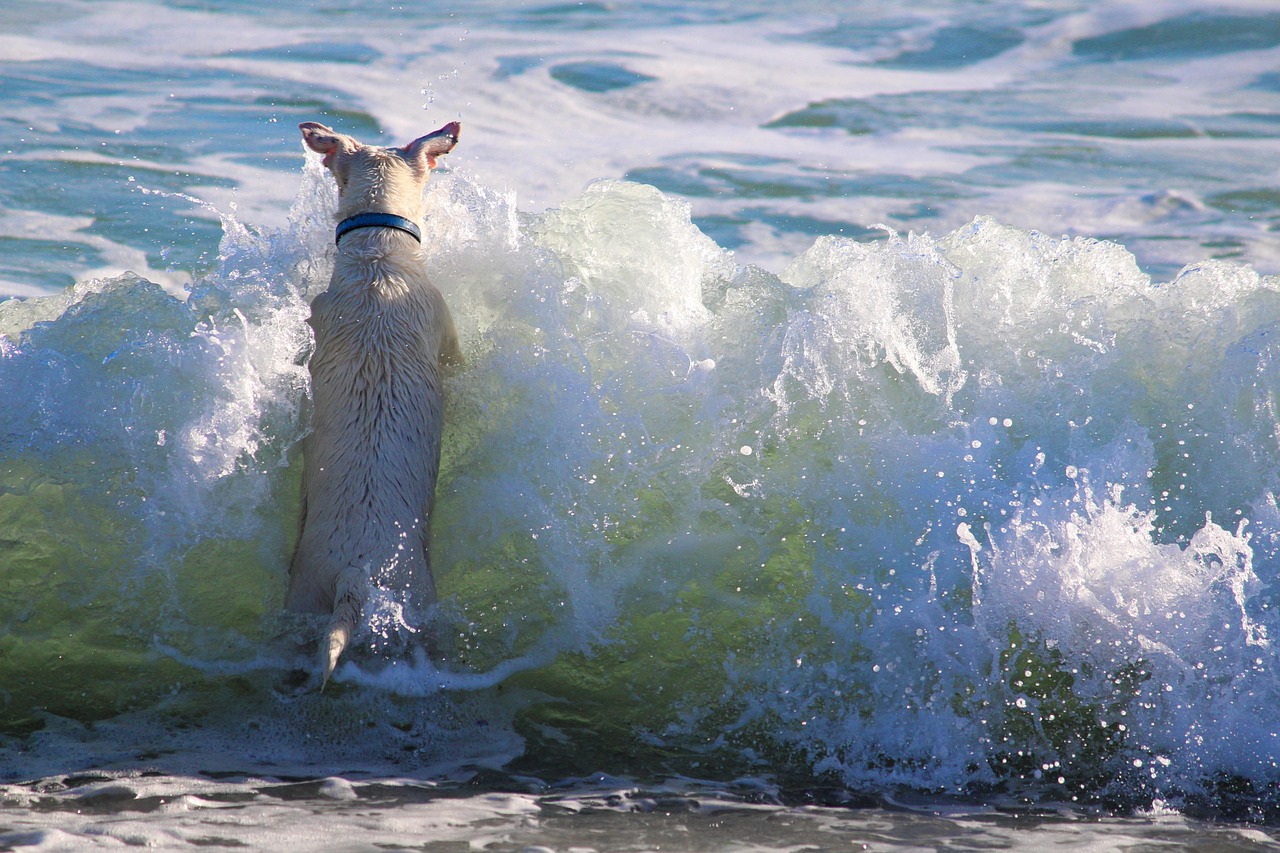

Water Training for Dogs: Making Beach Trips Enjoyable
Taking your dog to the beach can be an enjoyable experience for both of you, but it requires some preparation. Water training is essential so that your dog can learn to fit into a beach environment safely. Before heading out, you should assess how your dog reacts to water and unfamiliar surroundings. Gradual exposure is key; begin with shallow water where your dog feels secure. Bring along your dog’s favorite toys to encourage them to play in the water. It’s beneficial to allow them to jump in and out at their own pace, ensuring they feel comfortable. Always supervise your dog closely and consider being equipped with a life vest for added safety. Additionally, educating yourself about signs of distress in dogs while swimming can be beneficial. Always remember to keep your dog hydrated and take breaks, as playing too hard can lead to exhaustion. Your beach trips can be fun and safe if you prepare your dog before immersion into the sandy and watery environment that comes along with the trip. This thoughtful preparation allows for enjoyable bonding time with your furry friend at the beach.
During the water training process, you may want to teach your dog some fundamental swimming skills. Start in a controlled setting, such as a kiddie pool or a very calm lake. Introduce them to water slowly, encouraging them to paddle or use their legs, which can enhance their comfort in deeper water. Training aids, such as floatation devices, can help your dog gain confidence. Use positive reinforcement methods like treats and phrases of encouragement—this will boost your dog’s enthusiasm about swimming. Additionally, setting short training sessions can keep your dog engaged without tiring them out. As your dog becomes more comfortable in the water, gradually increase the depth of the water. Go together so your dog feels secure with you nearby. You can also incorporate games like fetch to elevate the fun of training, further reinforcing their training. Make it a fun and enjoyable experience, and avoid pushing them to do anything they’re not ready for. Celebrating even small accomplishments with joy ensures your dog will associate water activities with fun, leading them to look forward to future beach trips.
Tips for Beach Visit Preparation
Prepping for the beach involves several essential considerations both for safety and enjoyment. Make sure to pack enough fresh water to keep your dog hydrated. Some dogs get too caught up in playing, leading to fatigue and dehydration. A collapsible bowl is handy for easy transport and use on the go. Also, bring a leash to keep your dog safe, especially in crowded locations where they can easily become distracted. Consider using sunscreen safe for dogs to protect them from harmful sun rays, focusing on sensitive areas like their nose and ears. Sand can be irritating for some dogs, so a quick rinse at water stations can help remove sand and salt afterward. Bring a first aid kit to handle any minor injuries that might occur at play. Your dog should also be up-to-date on their vaccinations, as beaches can expose them to other animals. Lastly, be aware of any local leash laws or designated areas to keep your furry friend safe while allowing them the freedom to enjoy the seaside adventure to the fullest.
Swimming Safety
Safety is paramount when taking your dog to the beach for water training. First, ensure that your dog has basic obedience skills, following commands that can help prevent them from wandering into dangerous situations. Familiarize yourself with how your dog typically swims—some breed types are stronger swimmers than others. Always check for any rip currents and avoid areas that are not dog-friendly. Ensure your dog knows how to exit the water safely; this is important so they do not become trapped in currents or deep areas. Observe your dog during swims for any signs of panic or fatigue. If you notice your dog struggling, calmly guide them back to shore or a safe spot. Teaching your dog to come to you for assistance will help in these instances. Also, be mindful of water temperatures; overly cold or hot water can be an issue for sensitive paws. Do not let your dog drink seawater; it can cause dehydration. With proper precautions and attentiveness, you can create a safe and engaging experience that enhances your dog’s training at the beach.
Socializing your dog during beach trips can also improve their overall training experience. The beach environment teems with various sounds, smells, and other animals that can serve as valuable training resources. Before allowing them to mingle with other dogs, ensure they are well-socialized to prevent aggressive or frightened reactions. Observe their body language closely; if they are overwhelmed or fearful, keep them at a distance from other dogs. You may consider organizing playdates with familiar or friendly pups. Gradually allowing them to expand their social circle at the beach can help them adapt more quickly in the future. Opportunities to play may include chasing a ball or engaging in friendly tug-of-war games in the sand. Using this as a training opportunity can enhance your dog’s social skills, making them more adaptable across different environments. Implementing positive reinforcement, as mentioned earlier, will greatly benefit their social interactions. Remember to watch for signs of fatigue; returning to a quiet area may help them relax, ensuring a pleasant beach experience. Keeping this balance will enable your dog to thrive in a vibrant beach context.
After the Beach Care
Post-beach care is crucial to ensure your dog remains pleasant and healthy after a day of fun. Start by rinsing off their coat to remove sand and salt, which can irritate the skin. Use lukewarm water to ensure your dog feels comfortable during wash time. Pay special attention to their ears and paws, as sand can easily get trapped there. Inspect your dog’s paws for any injuries, foreign objects, or irritation. Be sure to thoroughly dry your dog afterward to prevent fungal infections, commonly caused by a moist environment. Check for signs of dehydration and offer fresh water to drink. Additionally, keep an eye out for signs of overexertion. Fatigue is common after a playful day, so be sure to allow your dog to rest. If your dog shows signs of distress after the beach visit, like limping or reluctance to move, consult your vet to rule out any serious issues. Ensuring proper hygiene can make a huge difference in your dog’s recovery and enjoyment of future beach trips, setting them up for many more wonderful adventures.
In conclusion, preparing for beach trips with your dog through effective water training ensures a successful and enjoyable outing. Understanding your dog’s comfort level with water, implementing safety measures, and promoting socialization can foster a strong bond during beach visits. Emphasizing fun through play and games encourages a positive relationship with water that can enhance your dog’s physical conditioning. Always remember to prioritize safety by monitoring signs of distress while ensuring they are familiar with basic commands. Socialization plays a vital role, so expanding their interactions with friendly dogs allows a well-rounded training experience. After the beach, proper post-care—like rinsing them off and checking for injuries—promotes their overall health. This commitment to their well-being reinforces positive experiences that prepare them for future outings. By putting in the time for effective beach training now, you are enabling joyful beach experiences later, resulting in happy, well-adjusted dogs that thrive in their environment. Pet owners should embrace the beach not just as a recreational day but also as a great opportunity for valuable learning segments in their dog’s life.