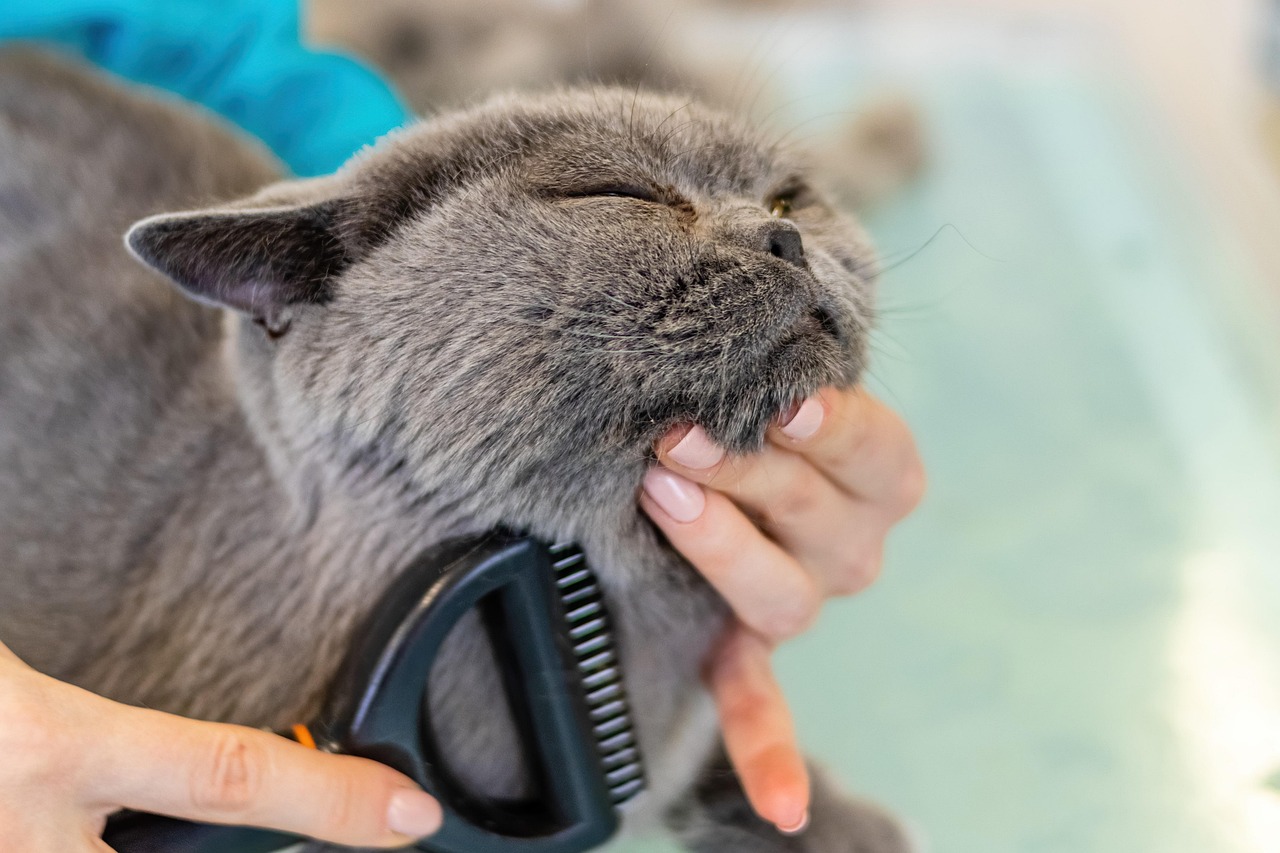

Long-Term Grooming Essentials for Cats with Long Hair
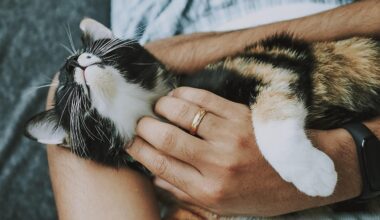
Taking care of long-haired cats requires a dedicated grooming plan tailored to their unique needs. Implementing a long-term grooming strategy is vital for preventing matting, tangles, and skin issues. Regular grooming not only helps maintain a beautiful coat but also strengthens the bond between you and your furry friend. Establishing a schedule can greatly reduce the stress associated with grooming, benefitting both you and your cat. Aim to groom your long-haired feline at least two to three times a week, depending on their coat density. By being consistent, your cat will be more accustomed to the process, making it a rewarding interaction. Start with gentle brushing and gradually introduce tools like combs and de-shedding brushes. It is essential to use the right tools designed specifically for long-haired cats. Choosing quality grooming equipment ensures optimal results and comfort. Don’t forget to check for any skin issues or parasites while grooming. Keep your supplies organized and have treats on hand to reward your cat during the grooming sessions, maintaining a positive experience for both you and your beloved feline.
Maintaining a long-haired cat’s coat can seem daunting, but it becomes much easier with a reliable routine in place. A good grooming plan will cover several essential aspects, including the frequency of grooming, the specific tools required, and the importance of regular inspections. During your grooming sessions, pay attention to your cat’s body language and adjust accordingly. Some cats may prefer a certain brushing technique or tool; finding out what works best is key to a successful grooming experience. Schedule your grooming at a time when both you and your cat are least distracted. This patience will lead to a stress-free environment. Regular grooming not only keeps your cat’s coat healthy but also ensures you get rid of excess hair that may otherwise end up on your furniture. Incorporating the right treats can motivate your cat, rewarding them for good behavior. You can also involve other family members to make grooming a fun, shared experience. Each cat is unique, so take the time to understand your cat’s needs while grooming, which can vary based on age, health conditions, and temperament.
Choosing the Right Grooming Tools
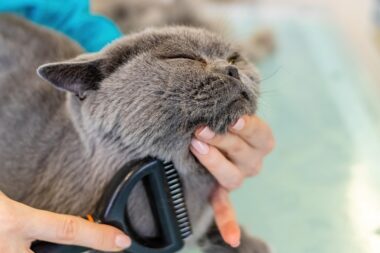
Investing in suitable grooming tools is crucial for maintaining your long-haired cat’s coat. The proper brushes and combs can help detangle and keep the fur looking its best. Begin by selecting a high-quality slicker brush designed specifically for long-haired breeds. These brushes can gently remove the dead hair and debris without pulling too hard on the skin. A wide-toothed comb is best for getting through knots and tangles, ensuring that the grooming process is comfortable for your pet. Additionally, consider using a de-shedding tool to manage any excess undercoat. This tool is particularly useful during shedding seasons, as it can significantly reduce the amount of fur around the house. Regular cleaning of your grooming tools is essential to maintain their effectiveness. Always check your brushes and combs for any signs of wear or damage, as this could negatively impact your grooming results. Furthermore, incorporate nail clippers into your toolkit to keep your cat’s nails trimmed, which is necessary to avoid injury. Remember, the right tools can make all the difference in creating a more pleasant grooming experience for your long-haired companion.
The frequency of grooming largely depends on your cat’s hair length and thickness, but adopting a strict schedule is vital for manageable grooming. For long-haired cats, aim to brush them at least two to three times a week, focusing on trouble zones prone to matting. Establishing a grooming rhythm will help your cat anticipate and accept the sessions more willingly. On the days you do not groom your pet, take a moment to check for any tangles or issues that might arise. If your cat is prone to matting, daily brushing may be the best option to avoid future discomfort. Diversify your grooming methods by incorporating varying brush strokes and directions to keep your cat intrigued. Don’t forget to reward your cat with treats or affection after grooming sessions. Your cat will associate grooming with positive experiences, ultimately making the process smoother over time. Remember that patience is key, and each cat has its grooming preferences. Learning these preferences can lead to a more efficient routine, strengthening your relationship while keeping their coat healthy.
Understanding Your Cat’s Coat Changes
Long-haired cats may undergo changes in their coat due to age, diet, and environmental factors. Nutrition plays a vital role in coat health; ensure your cat receives a balanced and high-quality diet rich in omega-3 and omega-6 fatty acids. A proper diet may prevent dry skin and promote a shiny, healthy coat. Be vigilant regarding seasonal changes as well. During spring and autumn, many long-haired cats shed more than usual, necessitating more frequent grooming sessions. Monitoring these changes can help you implement the necessary adjustments in your grooming routine. Furthermore, factors such as stress, illness, or allergies may also influence your cat’s coat condition. If you notice excessive shedding, bald patches, or skin irritation during grooming, it’s essential to consult a veterinarian to rule out underlying health issues. Tracking your cat’s coat progression over time allows you to quickly address any concerns that may arise. Remember that just like humans, each cat has a unique coat texture and behavior. With understanding and care, long-term grooming can become a rewarding and enjoyable experience for both you and your feline.
One of the most important aspects of grooming is ensuring your cat is comfortable throughout the entire process. Always create a calming environment by using soft bedding or a cozy spot during grooming sessions. Consider playing soft music or offering treats to help keep your cat relaxed. Being gentle while brushing is crucial to avoid causing discomfort or fear. If your cat resists grooming, take a step back and try to make it a more positive experience by shortening grooming times or incorporating play into your routine. Gradually familiarizing your cat with the grooming tools can also make a significant difference. Allow your cat to examine the brush or comb, letting them sniff it before using it. Consistently, rewards and positive reinforcement will help encouragegood behavior. Do not rush; patience is paramount when grooming long-haired cats. Building trust takes time, but it pays off in increased cooperation during grooming sessions. Your cat’s comfort should always be your top priority. Over time, your long-haired friend will learn to enjoy and look forward to their grooming sessions, feeling stress-free and rejuvenated after each one.
Final Thoughts on Long-Term Grooming Plans
Establishing an effective long-term grooming plan for your long-haired cat can significantly improve their overall health and well-being. Consistency in grooming will help maintain a beautiful coat while minimizing hairballs and mats. By finding the right tools, creating a comfortable environment, and being gentle during grooming, the experience becomes less stressful for both you and your pet. Monitor your cat’s coat regularly to gauge any changes in texture or behavior, adjusting your grooming plan accordingly. An essential part of your grooming routine should also include regular vet check-ups, ensuring there are no underlying health issues affecting your cat’s coat. Connecting with other cat owners through online forums or local communities may provide additional support, tips, and experiences that can make grooming more manageable. Remember, grooming is not just a necessity; it can be a rewarding bonding experience for you and your feline friend. Establish a routine that fits both your schedules, allowing you to enjoy quality time together. By incorporating these grooming essentials into your cat care plan, you’ll create happy, healthy, and beautifully groomed long-haired companions.