
How to Train Your Adopted Dog for Car Travel
Traveling with your adopted dog requires some careful preparation, especially for your dog’s comfort and safety inside the car. Start by familiarizing your dog with the vehicle at home. Allow them to explore the empty car, emphasizing the positive atmosphere. Use treats to encourage them to jump in, sit, and eventually stay calmly, rewarding good behavior consistently. Once they are comfortable, engage them with short rides around the block. After successful mini-trips, gradually extend the duration and distance to ensure they associate longer journeys with fun experiences, like visiting a park or beach. During these outings, observe their reactions and comfort levels closely. Investing in a pet seatbelt or a travel crate can enhance safety during travel. Remember to provide hydration during stops and note that dogs can experience motion sickness. For longer trips, plan your journey with regular breaks, allowing your dog to stretch and relieve themselves safely. Prepare for various weather conditions, ensuring your dog is not too hot or cold during transit. Quite simply, structured training will pay off big time when all enjoying the adventure together on the road.
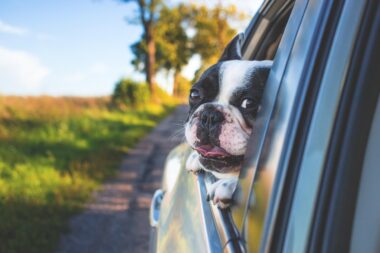
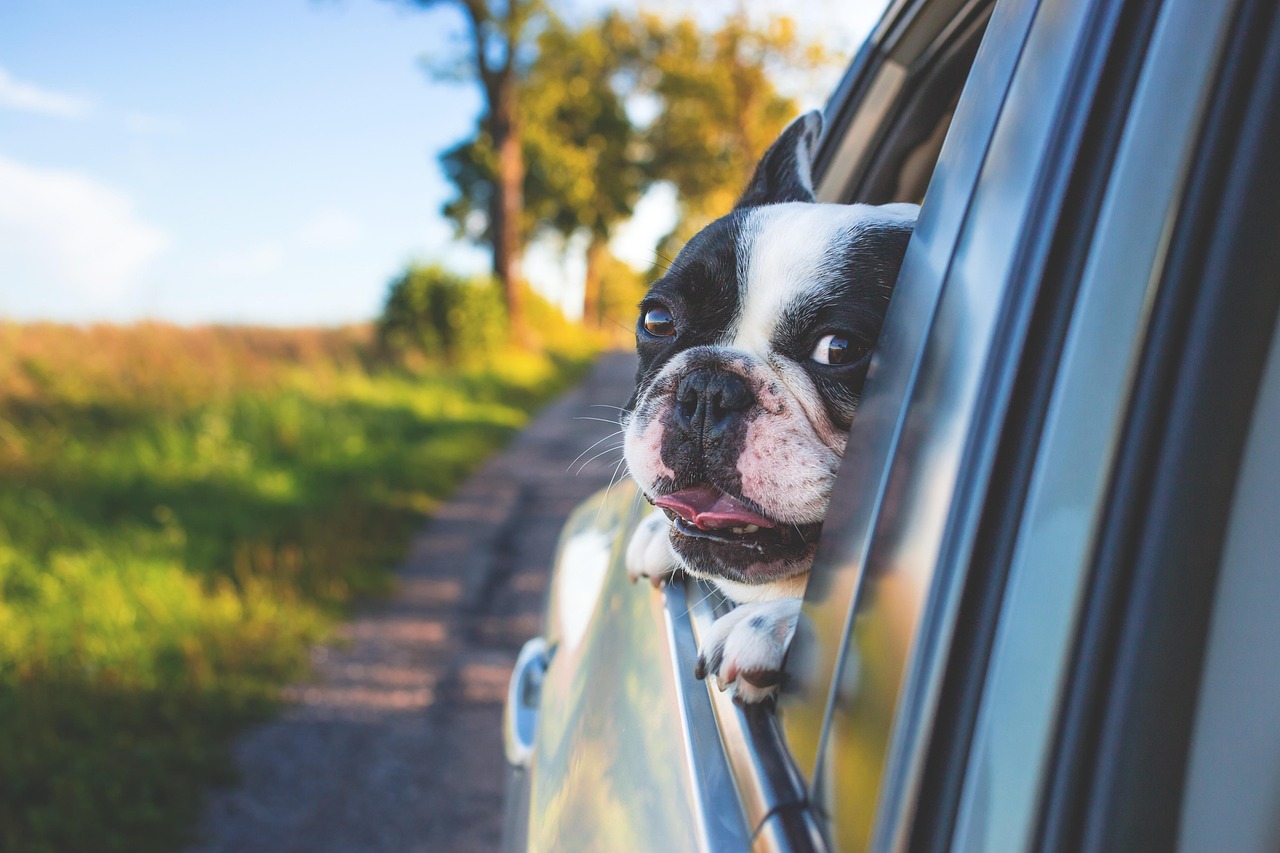
Another crucial aspect is to acclimate your dog to the environment outside the car. Start by opening the windows slightly to let your dog experience new smells, enhancing their curiosity and excitement. If they seem anxious, try calming techniques such as playing their favorite music or using anxiety wraps. It’s important to ensure your dog’s comfort in the seat. Use a blanket or a cushion they are already familiar with; this familiar scent can help them relax. Provide entertainment through durable chew toys or puzzle toys to keep their mind engaged during longer periods of travel. Always remember to secure loose items and belongings to avoid distractions while driving. As you plan your travels, also consider bringing your dog’s food and water bowls, along with snacks for regular feeding. Familiarize your dog with using the car door as a way to exit safely during stops. Also, consider how you will handle any emergencies or unexpected stops. Having a pet first-aid kit handy can provide peace of mind. Stick to familiar routines similar to those at home for meals and potty breaks; consistency will ease your dog’s stress.
Choosing the Right Safety Equipment
Choosing the right equipment for safely transporting your adopted dog is pivotal. Investing in a high-quality, well-fitting harness designed for car travel can make a significant difference in your dog’s safety. A crash-tested car harness can help secure your dog, reducing the risk of injury in case of sudden stops or accidents. Additionally, using proper barriers, like pet gates, between the driver and the pet zone can ensure minimal distractions. Pet seat covers provide added protection for your car’s interior while also giving your dog a comfortable space. Keep in mind that different materials such as waterproof, removable, and machine-washable options are available. Select one that suits your dog’s needs best. When considering a travel crate, make sure it is spacious enough for your dog to stand, turn around, and lie down comfortably. Ensure it is well-ventilated and is sturdy enough to withstand any sudden movements. Consider integrating safety devices such as pet seatbelts for create-added security. It’s essential to research pet travel laws in your location to ensure compliance. Following these guidelines will result in a safer and more enjoyable experience for both you and your loyal companion.
Getting your adopted dog adjusted to car rides usually takes patience. Start with short trips before heading towards longer journeys. Create positive associations with the vehicle by offering treats whenever they enter or stay calm inside. This method helps to lessen any fear or anxiety associated with travel. If your dog whines or becomes restless during trips, consider taking a break and providing an opportunity for exercise. Planning regular stops helps with any bathroom needs and alleviates any pent-up energy. Use these breaks thoughtfully, ensuring that areas are safe for your dog to relieve themselves while also allowing for some playtime. Investigate travel routes in advance and identify potential parks or safe areas for rest stops. Preloading snacks and water will keep hydration at the forefront of your journey. Importantly, try to keep your dog in the back seat; this ensures they won’t become a distraction to your driving. Avoid feeding your dog right before the trip; this can prevent potential motion sickness. Consider using calming aids or anxiety-relieving supplements if necessary. Keep a consistent and relaxed demeanor to enhance your dog’s comfort and trust.
Integrating Travel Routines with Real Life
Integrating travel routines with your everyday life can greatly assist your dog in adjusting to a lifestyle that includes travel. Start incorporating car rides into your regular activities without associating it only with vet visits. Visiting friends or engaging in fun outings like picnics can fosters a positive travel association. Gradually ease your dog into longer travel periods, making these options the norm rather than the exception. Building a schedule around these interactions will provide comfort and anticipation. Additionally, teaching them commands like ‘load up,’ or ‘stay’ can enhance their understanding of travel behavior. Practice these commands at home and reinforce them during your car training sessions. Use cues your dog already understands to foster a smoother learning experience. Create a calming environment by minimizing loud noises while traveling. Stay focused on making each car trip a pleasant event, combining it with positive interactions with you and ample opportunities for exploration. As your dog becomes accustomed to car travel, they will develop an eagerness to accompany you more often. The key to successful integration lies in repetition and rewarding obedience during your travels.
When traveling, always remember to ensure that your dog has identification tags. Having tags with up-to-date information, including your name, phone number, and address, should provide a layer of safety in case you get separated. Moreover, ensure your dog is microchipped; this greatly enhances the chances of reuniting if they happen to go missing during a trip. Share travel tips within your circle of fellow pet lovers to help others easily travel with their dogs. Consider creating a travel checklist for essential items needed for every trip, including food, water, bowls, and their favorite toys. This organized approach will minimize chances of forgetting vital supplies. Encourage others to participate in maintaining a supportive community, sharing insights, and learning from others’ experiences. Always share your travel adventures on social media, allowing others to witness the joys of traveling with an adopted dog. You can inspire others to make similar choices while promoting dog rescue initiatives. Together, these elements build a fun and inviting travel atmosphere while ensuring a smooth, enriching experience for all involved during your travels.
Conclusion: The Rewarding Journey
Traveling with your adopted dog can indeed be a rewarding journey if approached with careful planning and patience. Every journey you take together builds trust and can enhance the bond between you and your furry friend. Remember, the key is consistent training, maintaining a positive attitude, and ensuring safety throughout the travel experience. Regular outings create an environment that showcases adventure and spontaneity for both of you. Continual improvement in how your dog adjusts will motivate you to explore further and discover new places, and experiences. The memories created through these shared journeys will only add depth to your partnership. In conclusion, remaining attentive to your dog’s cues, both positive and negative, and adapting your approach will solidify your skills as a loving pet owner. As you embark on your trips together, take time to enjoy the smaller moments; they will enrich your travels and forge a unique journey. With proper preparation and a loving mindset, you can cultivate an extraordinary and unforgettable adventure for both you and your newly adopted companion.