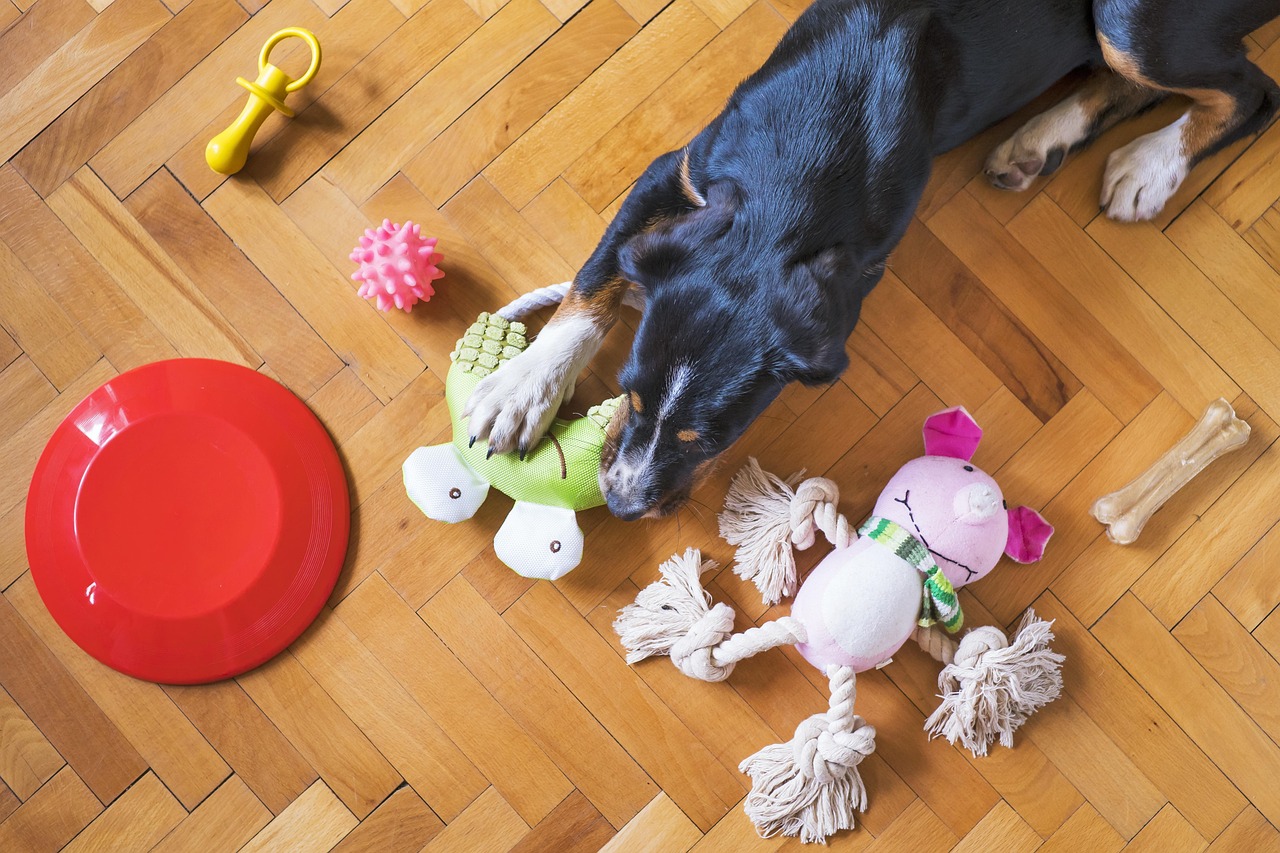

Puzzle Toys That Encourage Physical Activity and Mental Engagement
Puzzle toys for dogs are exceptionally beneficial, offering both physical and mental stimulation to our furry friends. These toys come in various designs and styles, catering to dogs of all sizes and breeds. When dogs engage with these toys, they are not just having fun; they are also working their brains, which is vital for their mental health. Physical activity is equally important. Dogs require regular exercise to maintain their health and happiness. These toys encourage movement as pups paw, nudge, or chew to uncover treats or rewards hidden within them. It’s crucial to select a puzzle toy that matches your dog’s skill level to prevent frustration. Start with simpler designs for novices and gradually introduce more complex challenges as their skills develop. Moreover, sharing these experiences creates a strong bond between the pet and the owner. Providing mental challenges with puzzle toys helps prevent boredom, anxiety, and destructive behavior. In essence, puzzle toys serve as a two-in-one solution for both exercise and mental stimulation, making them an essential addition to any dog owner’s toolkit. They can transform playtime into a productive session filled with fun and learning.
Moreover, introducing puzzle toys to a dog’s routine can improve its problem-solving skills significantly. Dogs are naturally curious animals, and puzzle toys tap into that curiosity, turning it into an avenue for learning and growth. When a dog successfully solves a puzzle, it not only receives a treat but also gains a sense of accomplishment. This sense of achievement can boost the dog’s confidence, making them more eager to tackle new challenges. There are numerous types of puzzle toys available, from simple treat-dispensing balls to intricate designs that require multiple steps to unlock a reward. It’s essential to rotate these toys to keep the dog interested and engaged. By mixing up the toys, dogs will have fresh opportunities to explore new challenges and solutions. It is also beneficial to incorporate training sessions with these toys to teach commands and reinforce positive behavior. For instance, rewarding a dog with a treat immediately after performing a trick can enhance learning capabilities. Puzzle toys offer an excellent way to integrate play and training, ensuring that the dog’s mind is as active as its body. This combination can lead to a well-rounded, happy, and healthy dog.
Choosing the Right Puzzle Toy for Your Dog
When selecting a puzzle toy, consider your dog’s age, size, and play style. Puppies might benefit from simpler designs that require less cognitive effort, while older dogs might enjoy toys that offer a more challenging experience. Ideally, the toy should engage your dog without causing frustration. Look for toys that allow for various difficulty levels so your dog can grow with them. Materials are also critical; choose safe, durable options that can withstand your dog’s biting habits. Additionally, keeping safety in mind while selecting a toy cannot be overstated. Avoid toys with small parts that can be swallowed or materials that can easily break and injure your dog. Overall, a good puzzle toy should promote healthy chewing habits while engaging them cognitively. Check for features that are easy to clean, as hygiene is crucial for your pet’s well-being. Some toys are also dishwasher safe, making maintenance simple. It’s advisable to monitor your dog during playtime with a new puzzle toy to ensure they are using it safely and correctly. Understanding your dog’s unique preferences will allow you to select toys that offer the ideal mix of challenge and enjoyment.
Moreover, puzzle toys can serve as a fantastic tool for socialization among dogs. When you have a multiple-pet household, giving each dog a puzzle toy can minimize competition and encourage collaborative play. Dogs can learn to share and take turns, strengthening their bond with each other. Observing how different dogs interact with the same puzzle toy can provide insights into their personality traits and problem-solving approaches. Furthermore, dog owners can use these toys to engage their pets during playdates or gatherings, keeping them entertained while people socialize. This interaction not only provides stress relief for the dogs but also helps them develop important social skills, such as patience and cooperation. In a sense, puzzle toys are multifaceted tools that can improve a dog’s emotional intelligence. Taking time to play together with your dog using these toys can deepen your relationship, as dogs thrive on positive interaction with their owners. In turn, fostering a healthy relationship can result in enhanced behavioral traits. Puzzle toys are, therefore, not just about fun but also about building a community feel in your home, benefiting both pets and humans alike.
The Benefits of Interactive Play
Interactive play is essential for a dog’s development. Engaging with puzzle toys fosters not only confidence but also adaptability. As dogs figure out how to manipulate different toys, they learn to adapt their techniques and approaches, enhancing their problem-solving skills. This adaptability is vital for their everyday life as it prepares them for real-world situations. Moreover, puzzle toys are perfect for dogs who might not have natural companions or playmates. They offer an opportunity for solo engagement, which can be essential for busy households where owners cannot always provide direct interaction. Whether you’re at home or away, these toys serve as a great distraction. Many puzzle toys also incorporate features like sound, which can make playtime even more stimulating. It’s crucial to supervise dogs during initial interactions with new puzzle toys to ensure they understand how to use them safely. The joy derived from overcoming challenges can transform a dog’s personality, making them more vibrant and happy. As dogs successfully unlock rewards, they develop a deeper interest in learning and playing, leading to a more fulfilled life overall. In conclusion, interactive play influenced by puzzle toys can be a game changer.
Furthermore, puzzle toys can be used as an excellent tool for reinforcing training habits. Many trainers recommend incorporating these toys into a dog’s routine as a way to reward good behavior. For instance, placing treats inside a puzzle toy as a reward for sitting on command encourages dogs to comply with commands. The excitement of accessing a treat can motivate dogs to listen more attentively during training sessions. This method not only enhances learning but also makes training fun and engaging. Dogs like to work for their food, and puzzle toys turn mealtime into an adventure, making sure they earn their meals through active play. Implementing these techniques consistently can lead dogs to understand the importance of following commands and listening to their owners. Moreover, combining training with puzzle toys reduces anxiety and boredom, key contributors to undesirable behaviors. Owners can gradually increase the difficulty of the puzzles to keep their dogs engaged as their abilities grow. Changing up treats and toy configurations can keep this process exciting. Thus, puzzle toys can seamlessly integrate fun and learning, making every interaction enriching and rewarding for both dogs and their owners.
Maintaining Your Dog’s Interest in Puzzle Toys
Maintaining your dog’s interest in puzzle toys is crucial for long-term engagement. To do this effectively, rotate the toys and introduce new challenges regularly. Just as children lose interest in toys that are always accessible, dogs can also become indifferent to familiar toys. Alternate their toys weekly to bring freshness into their playtime. It can also help to stash away certain toys for a few weeks and then reintroduce them later while altering the configuration of treats. Mixing treat types can reignite attention and make the puzzle even more enticing. As mentioned earlier, involving yourself in your dog’s puzzle-solving activities can enhance the experience. Take the time to play together by showing them how to use the toy correctly. This not only builds skills but also enriches the emotional connection between a pet and its owner. Furthermore, observing how your dog interacts with a foreseen toy can offer valuable insights into its preferences. Watching your pup’s excitement can also motivate owners to be involved actively, as the satisfaction derived from seeing their dog happy makes puzzle toy play brilliant too. Overall, creating new experiences with these toys is vital.
In conclusion, puzzle toys are invaluable additions to any dog owner’s collection. They encourage both physical activity and mental engagement, turning mundane playtime into exciting challenges. Dogs thrive on stimulating activities that require them to think and problem-solve, and puzzle toys provide just that. The benefits extend beyond just exercise; they promote emotional health, prevent destructive behavior, and strengthen the bond between dogs and their owners. Moreover, selecting the right puzzle toy tailored to your dog’s individual needs can transform their daily routine into an enriching experience. When employed in training settings, puzzle toys can significantly enhance learning and compliance, offering both fun and education seamlessly. While maintaining interest is essential, the interaction of a dog with a puzzle toy is rewarding, beneficial, and fun. These toys can be an effective method of ensuring that your dog remains mentally sharp and physically active, enhancing their quality of life significantly. Active, engaged dogs are happier and less prone to anxiety or behavioral issues. Integrating puzzle toys into your dog’s life will not only keep them entertained but will also promote a healthy lifestyle overall.