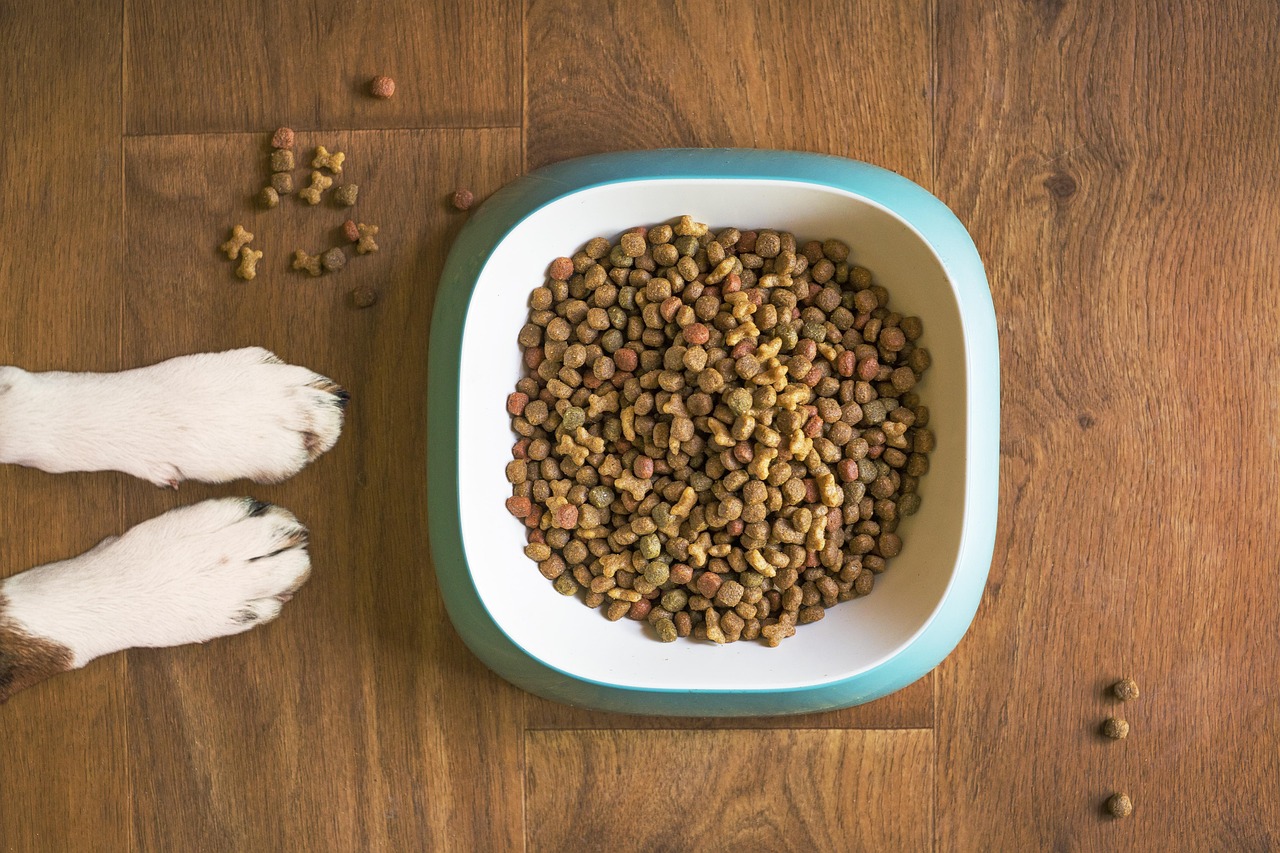

How to Introduce New Diets Before a Dog Show
Preparing a new diet for your dog prior to a dog show can be vital for their performance. Introducing new nutritional plans requires a thoughtful approach. Begin by consulting your veterinarian who can advise on dietary changes suited for your dog. The transition needs to be gradual to avoid any gastrointestinal distress. Start with integrating a small amount of the new food mixed with the current one, incrementally increasing the new diet over time. Observe any changes in behavior or digestion. Ensure your dog remains hydrated as hydration is key to optimal performance. Timing is essential; introduce the new diet weeks before the event. Allow for ample time to gauge your dog’s reaction to the new food. Additionally, keep consistent feeding schedules to align with your dog’s routine. You’ll want to stick with familiar feeding times while gradually introducing new nutrients. Keep track of how your dog responds mentally and physically. Look out for allergies or aversions. Being attentive to these signs will help ensure a successful diet transition leading up to the show. Remember, your dog’s health and comfort take precedence.
Nutrition is multifaceted, so consider not only the ingredient changes but also how it may affect your dog. When changing diets, it’s essential you address the nutrient balance to maintain energy levels and build muscle. Every dog has different needs based on their breed, age, and individual health conditions. Therefore, ensure you are providing the right balance of proteins, carbohydrates, and fats. Protein is particularly vital for muscle development and maintenance, especially for dogs participating in shows. Avoid abrupt changes in the food type as this can lead to digestive issues. Utilize the food labels to compare protein content and nutritional value. Talk to a dog nutritionist if you’re independently researching dietary needs. Dog breeders and experienced show handlers can also offer insight into beneficial diets prior to events. Consider including supplements such as omega fatty acids to enhance coat quality, ensuring dogs look their best. Also, remember training can be impacted by nutrition—dogs must have enough stamina and energy to perform effectively in the show ring. Stay observant of your dog’s performance as they adapt to any dietary changes.
The Importance of Gradual Transitions
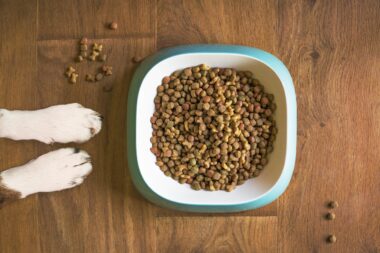
Gradually transitioning your dog to a new diet is crucial. Sudden changes can disturb your dog’s digestive system, resulting in vomiting and diarrhea. Start by mixing small quantities of the new food into their regular meals. Gradually increase this ratio until the dog completely eats the new diet. This process should take approximately seven to ten days, depending on your dog’s sensitivity. Furthermore, keeping your dog’s emotional state in mind is an important aspect of changing diets. Dogs thrive on routine. Interrupting their feeding schedule abruptly may cause stress. Ensure you introduce meal times consistently, providing security as they adapt. Maintain track of their appetite and stool consistency throughout the transition. If your dog exhibits lethargy or persistent gastrointestinal disturbances, consult your veterinarian. They can check for allergies or other underlying issues that could arise during this change. Additionally, remember to include treats that are compatible with the new diet to help reinforce positive associations. Positive reinforcement remains beneficial as transitioning can be a challenging process, especially if your dog is particularly picky or attachment-oriented around food.
To elevate your dog’s experience with their new diet, consider incorporating tasty alternatives that can enhance acceptance. Add in some fresh vegetables or a bit of broth to stimulate interest and palatability. Adding supplements can also help get your dog excited about their food. Utilize chews that contribute additional nutrients but remain aligned with the overall dietary plan. Seek options that promote energy along with support for healthy joints, which is crucial for the active show dog. On the other hand, pay attention to ingredients that could cause issues for specific breeds. For example, grain-free diets might be necessary for some breeds but can also introduce other concerns. Monitor your dog carefully to ensure they are thriving on the new food. Visual changes, such as a luscious coat and increased energy levels, can indicate success with the new diet. Take extra time during training sessions to keep your dog adjusted to the dietary transition. Creating a consistent environment paired with nutritional balance fosters their performance potential at the dog show. Ultimately, your focus should be on keeping the dog happy, healthy, and well-fed.
Monitoring Your Dog’s Response
As you continue with the dietary transition, maintaining vigilance is necessary. Your dog’s individual response will vary based on various genes and prior experiences with diets. Additionally, observe your dog’s behavior during training and at home. Changes in energy levels, enthusiasm towards food, and even mood should be noted. Use a food diary or log to keep track of any changes alongside their diet. This will help pinpoint areas that may need adjusting. If you note any adverse reactions, revert to the previous diet before consulting a veterinarian for further advice. Also, be aware of which ingredients are beneficial in contributing positively to your dog’s overall health. Some may require a longer adaptation period. If your dog has specific health concerns or activity levels, ensuring the diet meets those needs is paramount. Communicate regularly with your veterinarian to modify strategies as needed. Overall, a tailored approach will yield the best results. Allow time for adjustment; dog nutrition is not one-size-fits-all, thus reflecting the unique nature of every canine. Monitoring directly correlates to shows and overall well-being.
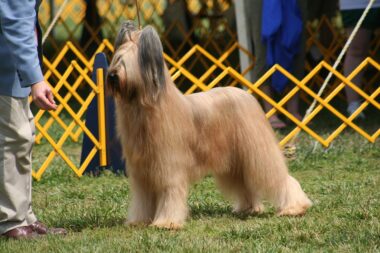
Additionally, incorporate careful planning leading up to the dog show day. Utilize pre-show exercises to assess how well they respond to the new diet. Ensuring they are both mentally and physically ready amplifies performance. Conditioning exhibits the importance of resilience for rope challenges and stamina during assessments. A solid diet will couple well with consistent routines and facilities being accessible. As the day of the show approaches, maintain normal feeding routines while minimizing changes. This includes sticking to known pupper-approved treats that won’t ha venture during event days. Familiarity will comfort your dog and maintain confidence in their training. Nutrition can influence success in competitions, plus visual appeal and responsiveness during display matters deeply. Furthermore, ensure that food choices provide optimal nutrients without overloading sugars that may lead to hyperactivity. Lastly, always communicate with the groomer regarding any dietary changes so they can prepare accordingly for your dog’s presentation on the day of the show. Preparing a proactive and thorough nutritional plan brings together the essential ingredients for a positive dog show experience.
Final Thoughts on Dog Show Nutrition
In summary, as dog shows become competitive events, nutrition plays an increasingly vital role for success and health. Adequately introducing new diets ensures your dog remains in top condition leading up to the big day. Keep dietary change gradual yet observant. Assess any reactions and adjust accordingly. The time taken to transition serves not only immediate competition needs but fosters long-term health. Such nutrition knowledge will enrich your experience showing dogs as you grow in your understanding of their needs. Consulting professionals like veterinarians and nutritionists fosters more informed decisions. The excitement surrounding dog shows is infectious, but thorough preparation will enhance the entire experience. Keep consistent schedules and ensure your dog has positive associations with their food. Engagement through mindful nutrition ultimately correlates to performance in the ring. A well-nourished dog is a happy one, and with each show you attend, your bond strengthens through these experiences. Strive to stay informed, and keep your dog healthy and vibrant. After all, your dog’s success is a reflection of your dedication. Let nutrition lead the way to your achievements!
This article focuses on a significant aspect of dog shows: nutrition. As dog enthusiasts prepare their canine stars for shows, ensuring a balanced diet cannot be overlooked. Dogs need energy, stamina, and vitality to compete effectively in these events. Just as athletes train and adjust diets, so must your furry companions. The journey to a successful show begins long before the curtain rises. Implementing the right dietary changes requires time, patience, and careful observation. Introducing new foods should progress gradually, particularly if your dog is accustomed to specific brands or flavors. This transition fosters digestive health and minimizes discomfort. Starting several weeks in advance allows ample time for your dog to adapt. Look for signs of appreciation for their new diet, such as excitement during meal times. This can indicate their eagerness and readiness for the competition. Pay attention to changes in fur quality, energy levels, and overall mood; these are often telltale signs of how well your dog is adjusting. As you navigate this critical aspect of preparation, remember that consistent quality is key to satisfaction in nutrition.