
How to Play with an Older Cat: Tips for Senior Felines
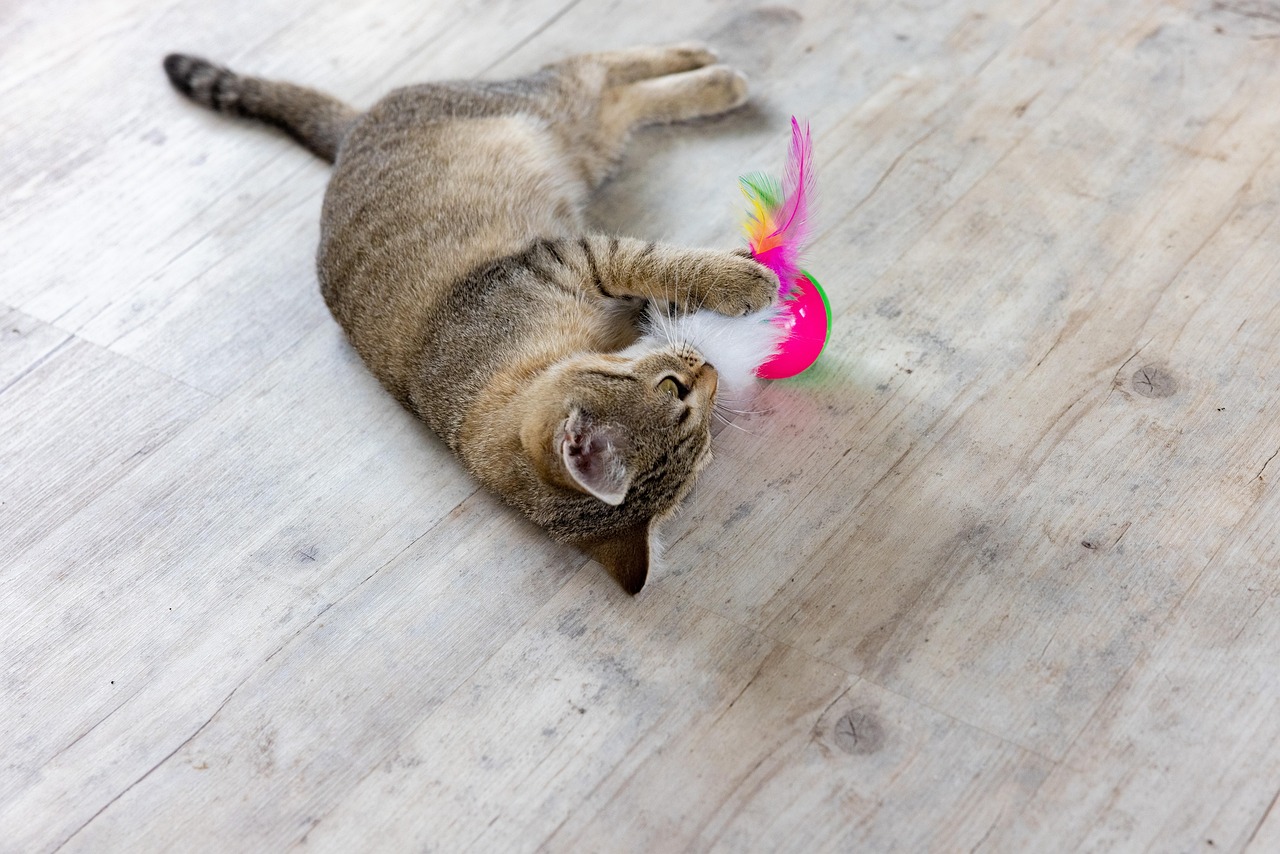
Playing with older cats can be both rewarding and beneficial for their health. While their energy levels may not be as high as younger cats, engaging in play is essential for keeping them active and mentally stimulated. Choose soft, lightweight toys that are easy for your senior feline to handle. Feather wands or small balls work well since they encourage movement without requiring too much exertion. Establish a regular playtime routine to help your cat anticipate these engaging sessions, as consistency can foster excitement. Alternating between short bursts and longer periods of play helps cater to your cat’s stamina. Use catnip-infused toys to entice them further, as many older cats retain a fondness for this herb. Watch your cat’s body language to ensure the activity level is comfortable for them. If they show signs of fatigue, give them a break. Be patient and refined in your approach as older pets can have varying health issues. It’s always best to tailor playtime according to their specific needs and conditions.
Another effective method of interacting with your older cat involves mental stimulation. Use puzzle feeders or treat-dispensing toys that require effort from them to access snacks. This not only entertains but also encourages cognitive function, which can decline with age. Change the locations of their toys to stimulate curiosity, leading to exploration around the house. Additionally, engage them with gentle games that incorporate their instincts, such as hiding treats around their favorite spots. This can evoke natural hunting behaviors in a safe and controlled manner. Create an enriched environment by incorporating cozy spaces like cat trees or perch platforms where they can oversee their domain. Cats love heights, and these spaces offer exercise opportunities and mental engagement. Consider supervised outings in safe enclosed spaces under direct supervision. These slight adventures can fulfill their curiosity without compromising safety. Regular interactive sessions with you can contribute significantly to their emotional well-being and happiness, necessary for fostering a solid bond. Adapt to their needs and energy levels for the best results in keeping your senior feline entertained.
Types of Playful Activities
When selecting playful activities for senior cats, consider their preferences and mobility. Lightweight toys that require little effort to bat around are often favored. Think about toys attached to strings that you can control, allowing your feline to chase without overexertion. Laser pointers can also provide gentle exercise without requiring your cat to run extensive distances. However, ensure to always provide a tangible reward at the end of these chases to maintain their interest without frustration. Throwing soft toys gently can mimic prey movement, causing your cat to engage in playful hunting behavior without taxing their physical capabilities. Another option is to create DIY toys such as an empty box with holes cut into it; hiding treats encourages them to explore without too much energy investment. Remember that while older cats might enjoy gentle play, always be cautious of their comfort levels. Frequent breaks allow them to rest, ensuring play sessions remain enjoyable. Establishing a good balance of playtime and relaxation is crucial for an older cat’s happiness and health.
Social interaction is just as crucial for older cats as physical and mental play. Spend time simply sitting or lying next to them, offering gentle pets and affection, which cats often find comforting. Cats are social creatures; your presence can stimulate mental activity. Engage them in conversation, as they often respond to your voice. This simple interaction can bring them joy without requiring them to move around excessively. Reading aloud or softly playing music can also stimulate their interest, especially in quiet environments. Develop a routine that includes quiet playtime with scratching posts or grooming sessions. These activities can enhance your bond while keeping them relaxed. If your senior feline is sociable, consider supervised playdates with other calm cats, helping to reduce stress and increase socialization. Always supervise these interactions to ensure they remain positive. Grouping soft, soothing music with graffiti on a window near a comfortable resting place can provide visual and auditory stimulation while being considerate of their calming needs. Monitor their reactions to tailor your interactions better, ensuring they always feel safe and loved.
Ensuring Comfort During Playtime
While playing is highly beneficial, it’s essential to ensure that your older cat is comfortable throughout. Before beginning any play session, observe your cat’s overall health and mood. If they seem unmotivated or in discomfort, skip the playtime for their wellbeing. Choose a comfortable space that is easy to access as older cats may have mobility challenges. Soft surfaces like a plush bed or a warm blanket can enhance their comfort. Avoid slick floors that could pose a risk of slipping or falling. Additionally, consider the temperature of the environment; older cats are sensitive to cold and may prefer a cozy corner. Pay attention to play duration; shorter, more frequent sessions are optimal. This approach allows them to rest whenever needed, making the activity enjoyable rather than exhausting. It’s vital to avoid exhausting games that could lead to unnecessary stress. Provide easy access to fresh water during play sessions, and always monitor signs of fatigue or undue stress. This ensures that each playtime remains a positive experience, resulting in a happy and healthy cat.
Another significant aspect of playing with older cats is to encourage gentle engagement. Toys with varying textures stimulate their senses, making them more appealing. Introducing toys that crinkle or make soft sounds can ignite curiosity while ensuring minimal effort. Always be cautious not to overwhelm them with too much noise or hectic movements. Consider using feather or small soft fabric toys that are easy to catch and carry. These types of toys allow them to engage more naturally without the risk of injury. Incorporating interactive play sessions keeps their agility in check, as gentle bouncing and tossing can spark playful interactions. Minimal movement required toys that roll slowly across the floor can help keep them engaged without requiring a vigorous chase. Observe how they interact with toys, ensuring you choose those that suit their play style. Shifting the location of toys can stimulate their natural curiosity and interest. Emphasizing gentle play fosters long-lasting relationships between you and your senior feline companion, ensuring enjoyable interactions that respect their requirements and capabilities.
Conclusion
In conclusion, finding the right balance in playtime with older cats is key to ensuring their happiness and well-being. Understanding their limitations and adjusting play activities accordingly will maintain their vitality. Combining mental, physical, and social engagement offers the best approach to enriching their lives. Gentle games, stimulating interactions, and activities tailored to their unique personalities can all create enjoyable experiences. Be observant of their responses and preferences, adapting your strategies to meet their needs effectively. Make time for quiet bonding moments, as emotional connection is vital in enhancing their quality of life. Seeking advice from your veterinarian is advisable for any concerns regarding their health needs or specific changes in behavior. Always prioritize your senior cat’s comfort and safety. By considering their agility, stamina, and social needs, you can create meaningful play opportunities that strengthen your bond. Remember that age doesn’t mean an end to fun. It simply means a shift in how you connect. Embrace this phase and cherish these special bonding moments; they can save more than just time!
By combining all these elements properly, you can achieve a fulfilling relationship with an older cat. With good practices in place, you’ll likely notice improvements in their mood and overall health. Tailor your play sessions, adjust for any signs of discomfort, and always celebrate their playful spirit. The joy of playing with an older cat lies in the love and attention you provide, which can significantly uplift their quality of life. Forming a consistent routine that respects their individual preferences will help maintain engagement and interaction. Give them a safe space to thrive, full of playful opportunities without compromising their comfort. This balance can lead to memories that both you and your cat will cherish. Play is not just a diversion; it’s an expression of affection and complexity in a feline’s life, providing a harmonious co-existence between humans and their beloved pets. Every moment spent together adds to a flourishing companionship, fostering joy, and showcasing the profound bond between a human and their senior cat.