
Legal Restrictions on Breeding Cats for Competitions
Breeding cats for shows and competitions involves understanding various legal restrictions. Regulations often vary by region and can be influenced by local laws. In many jurisdictions, breeders must comply with specific guidelines to ensure the welfare of the cats. These guidelines typically address aspects like health testing, genetic counseling, and record-keeping. It’s essential for breeders to familiarize themselves with the laws pertaining to registration of their cattery, and the technical requirements for breeding specific breeds. Failing to adhere to these regulations could result in penalties, ranging from fines to the loss of breeding rights. Additionally, several organizations provide certification to breeders, ensuring they meet ethical standards. Compliance with these organizations’ rules is crucial for participation in prestigious shows. Legal standards might also dictate how many litters can be bred per year, emphasizing responsible breeding practices. Furthermore, these regulations help maintain the integrity of breeds and promote healthy cats that meet appearance standards. Thus, it’s vital for breeders to stay informed about changing laws to maintain compliance and uphold their reputation in the cat show community.
Those interested in breeding cats for competition must consider ethical implications as well. Ethical breeding practices prioritize the health and welfare of cats over profits. This means that breeders should focus on producing healthy specimens that conform to breed standards, rather than simply maximizing the number of litters. Poor practices can lead to physical and behavioral issues in cats, which can affect their chances in competitions. This emphasis on ethical practices aligns with legal obligations as well. Laws in some areas mandate that breeders provide adequate living conditions and veterinary care for their cats during breeding. The human-animal connection should remain a priority for those engaged in breeding cats. Responsible breeders often engage in practices that prevent overpopulation, ensuring that each cat is placed in a caring home. Before breeding, it’s crucial to perform appropriate health checks and evaluations. By doing so, breeders are contributing positively to the overall health of the breed. Many associations actively promote responsible breeding, offering resources and education to help breeders meet these ethical and legal standards.
Understanding Registration and Licensing
In many countries, cat breeders are required to register their businesses and obtain licensing to operate legally. This step serves to regulate the breeding industry and ensure that breeders meet specific legal standards. Registration often requires submission of detailed documentation, including proof of health checks, breeding goals, and compliance with animal welfare laws. In some instances, breeders must pass inspections to validate their operations. Licensing helps protect buyers by confirming that breeders adhere to local laws. Furthermore, it promotes best practices within the industry. Organizations such as the Cat Fanciers’ Association (CFA) and The International Cat Association (TICA) advocate for responsible breeding and provide educational resources. These organizations often mandate that breeders maintain excellent care standards for their animals in order to remain certified. Non-compliance may lead to revocation of breeding privileges or legal actions. Therefore, understanding the complete registration process is essential for those involved in cat breeding. This legal framework ultimately assures prospective buyers of the welfare and history of their potential pets, promoting transparency within the cat breeding community.
Legal restrictions on breeding can also involve health testing requirements for breeding cats. Organizations and local laws may mandate specific health screenings to prevent hereditary diseases from affecting future generations. This can include genetic testing for known breed-specific issues. The results from these tests must be documented and reported, creating a transparent breeding program. Breeders who adhere to these requirements enhance the breed’s integrity and reputation. Additionally, they contribute positively to the welfare of cats by understanding the genetic background of their breeding stock. Failure to perform necessary health tests can lead to serious legal ramifications, including the possibility of fines or revoking the right to breed. Furthermore, the showing associations often emphasize the importance of health testing, and untested cats may not be allowed entry into competitions. Regular health updates and medical records are vital for credible breeding practices. By participating in health testing, breeders show commitment to breeding healthy and well-adjusted cats. Transparency in this regard not only benefits the breeders but also potential buyers eager for healthy companions.
The Role of Animal Welfare Organizations
Animal welfare organizations play a critical role in regulating cat breeding practices. They monitor breeders to ensure compliance with laws and guidelines designed to protect animal welfare. These organizations often conduct inspections, offer educational resources, and provide support to responsible breeders. They advocate for ethical practices amongst breeders, emphasizing the need for proper documentation of breeding and health practices. Compliance with the guidelines set forth by these organizations often fosters community support and trust among cat enthusiasts and buyers. Furthermore, these organizations can exert influence on legislation that pertains to breeding cats, working to implement more stringent regulations when necessary. They also promote the importance of adopting cats from shelters, helping to combat overpopulation. By engaging breeders in discussions around welfare, they help elevate industry standards. Collaboration between breeders and these organizations can yield positive outcomes, ensuring that regulations not only protect cats but also enhance the breeding community. Ultimately, compliance with welfare organizations helps create a safer environment for cats, ensuring they receive the care and treatment they deserve.
Participation in cat shows and competitions is also subject to rules established by competing organizations. These organizations set stringent guidelines covering everything from breeding practices to the conditions provided for cats during shows. Compliance is fundamental to ensure that all participating animals are treated humanely. Violations of competition rules can result in disqualification and loss of credibility for breeders. Many events require pre-registration, prompting breeders to be well-prepared, ensuring all legal requirements are met well in advance. Events often include inspections to verify health status as well as confirm that the conditions of the animals are suitable. Breeders must also adhere to breed standards, which dictate the characteristics that cats must embody to compete effectively. Ethical treatment of all animals during shows is a point of emphasis, with clear consequences for mistreatment. Preserving the integrity of competitions hinges on breeders understanding these restrictions. Knowledge of these regulations not only cultivates greater awareness among breeders but also elevates the standards of care and respect for all competing breeds, which reflects positively on the entire cat community.
Final Thoughts on Legal Regulations
In summary, understanding and complying with the legal regulations surrounding cat breeding and competitions is crucial for anyone involved in this field. These laws serve to protect the welfare of cats and promote ethical practices among breeders. By adhering to these guidelines, breeders enhance the breeding community’s reputation and contribute positively to the overall welfare of cats. Furthermore, staying informed about changing regulations will help breeders navigate the complexities of the breeding environment. Organizations advocating for cat welfare and responsible breeding provide valuable resources to support compliance. Ultimately, the blend of ethical practices and legislative frameworks is vital to preserving the joy of breeding healthy, show-quality cats. So, aspiring breeders should prioritize education and communication within the community to foster collaboration. Success in this field comes not only from breeding exemplary cats but also from commitment to adhering to the laws that uphold their well-being. Breeding should always focus on enhancing the standards of the breed while maintaining compliance with the legal landscape that governs our responsibilities as caretakers of these beloved companions.
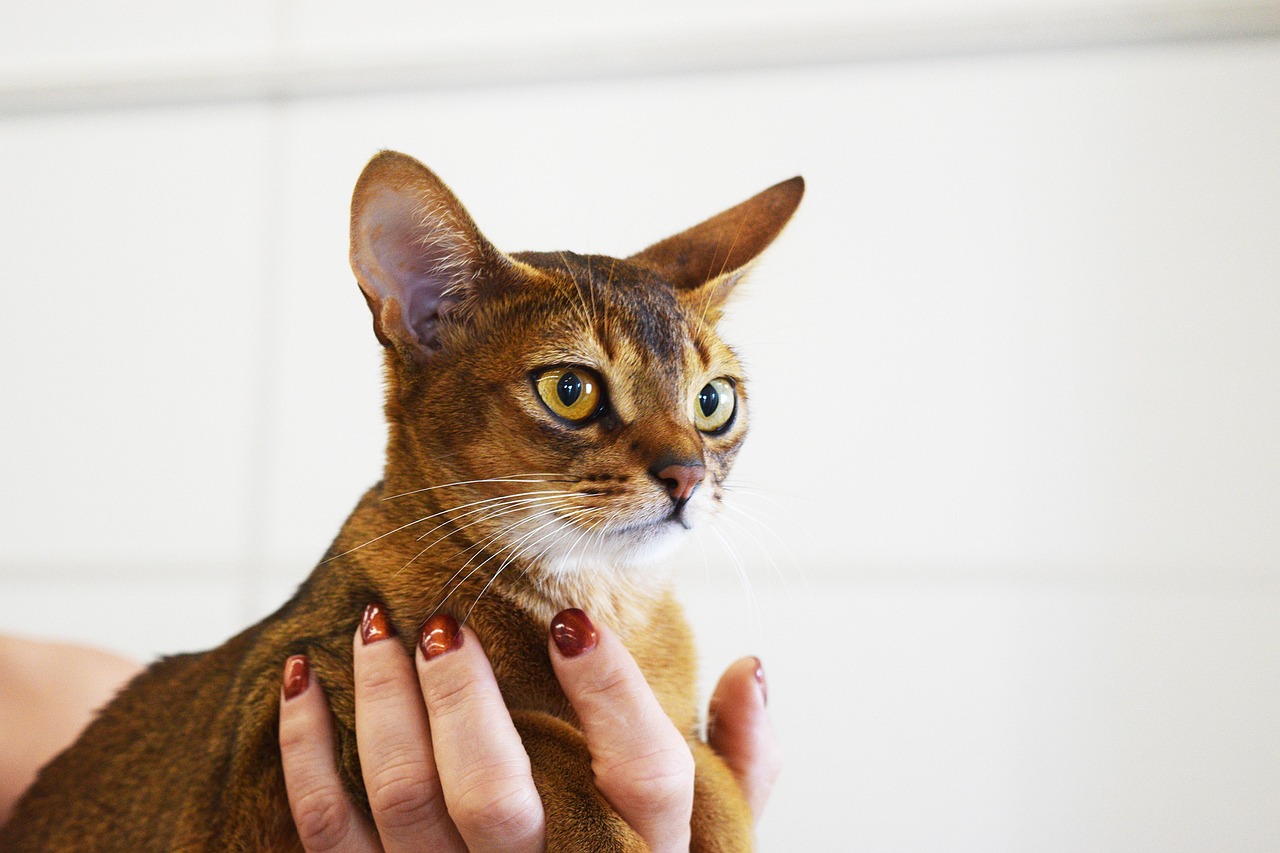
[Insert cat breed image or competition image here]