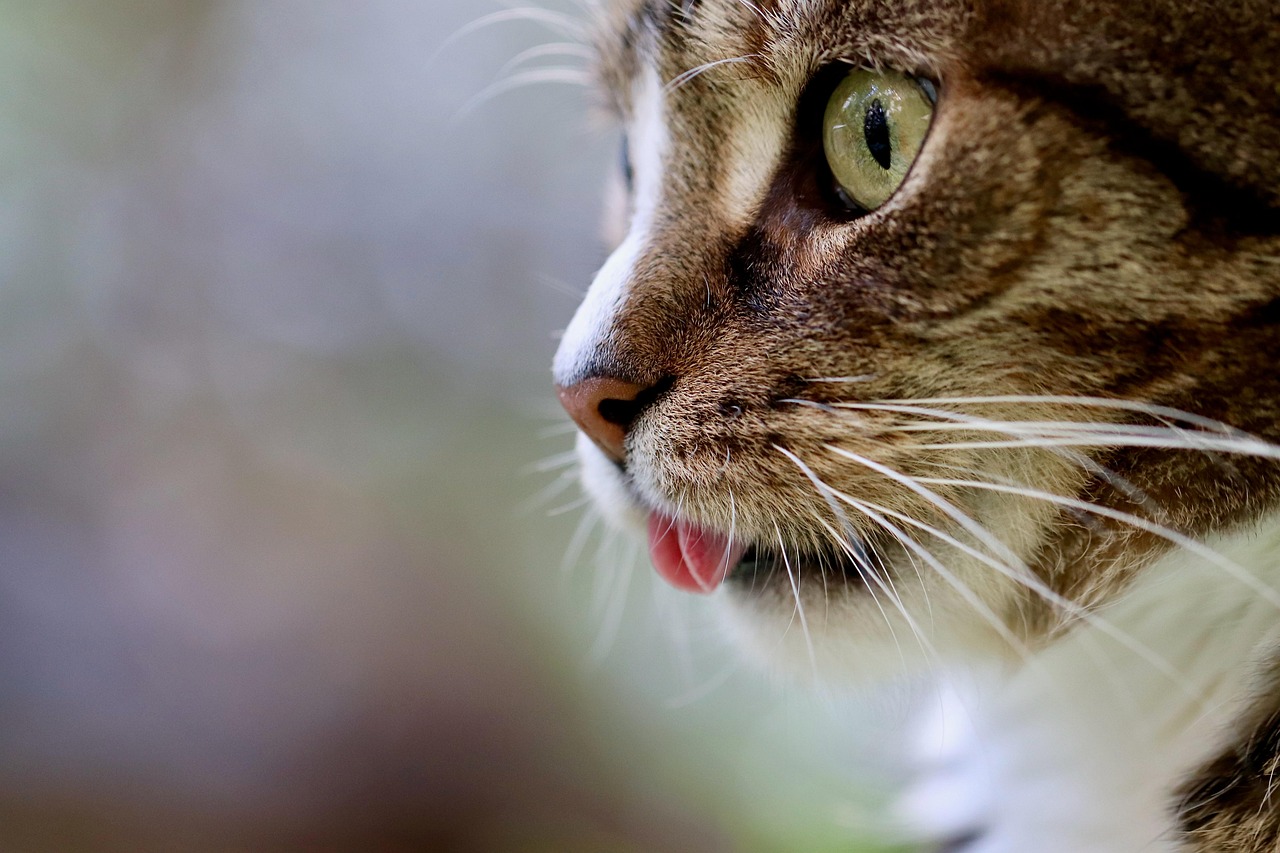

The Importance of Taurine in Cat Nutrition
Taurine is an essential amino acid that plays a vital role in cat nutrition, crucial for their well-being. Unlike many other animals, cats cannot synthesize enough taurine on their own, making it necessary for them to obtain this nutrient from their diet. Taurine is particularly important for various physiological functions, including heart health, vision, and reproductive performance. A deficiency in taurine can lead to a range of health issues, such as cardiac disease, vision problems, and impaired immune function. Therefore, it is critical for cat owners to ensure their pets are consuming sufficient amounts of taurine-rich food. This can be achieved through either high-quality commercial cat food or specific dietary supplements. Meat and fish are excellent sources of taurine, and many premium cat foods are formulated to meet the required levels of this vital nutrient. Understanding the significance of taurine in your cat’s diet is essential for maintaining their overall health and vitality. By being mindful of the nutritional content in their food, cat owners can help prevent potential health issues associated with taurine deficiency. Regular veterinary check-ups also ensure your cat receives adequate nutrition.
Aside from taurine, other essential nutrients play a significant role in a cat’s diet. These include proteins, fats, carbohydrates, vitamins, and minerals. Each of these nutrients contributes to your cat’s overall health and is necessary for various bodily functions. Proteins are crucial for tissue development and muscle maintenance, while fats are essential for energy, skin health, and cellular functions. Carbohydrates provide a quick energy source, and certain vitamins and minerals are needed for metabolic processes and immune support. For example, vitamins such as A, D, E, and K are fat-soluble and play specific roles in maintaining health. Minerals like calcium and phosphorus are vital for bone health, while zinc supports skin health and immune function. Therefore, creating a balanced diet that includes each of these essential nutrients ensures your cat is healthy and thriving. It’s best to consult with a veterinarian to formulate the ideal diet tailored to your cat’s individual needs. By prioritizing nutritional balance and quality, cat owners can enhance their pets’ quality of life and longevity significantly, ensuring they stay active and happy into their later years.
Taurine Deficiency and Health Risks
A taurine deficiency in cats can lead to serious health problems that may become irreversible without prompt intervention. One of the most notable conditions associated with low taurine levels is dilated cardiomyopathy (DCM), a severe heart disease that can lead to heart failure. Symptoms of DCM can include lethargy, coughing, and difficulty breathing. Additionally, taurine deficiency can negatively affect eye health, primarily leading to retinal degeneration and compromised vision. Cats often display a range of symptoms, such as difficulty seeing in low light or even complete blindness. Reproductive issues in cats can also arise due to inadequate taurine levels. Pregnant or nursing cats may experience complications, resulting in poor kitten health or loss. Therefore, monitoring the taurine levels in your cat’s diet is of utmost importance. Regular checkups with a veterinarian can assist in identifying potential deficiencies proactively. Furthermore, supplementing your cat’s diet with taurine, if necessary, can prevent the onset of these severe issues. Ensuring that your feline friend receives an adequate amount of taurine can lead to a healthier, happier life free from the risks associated with deficiency.
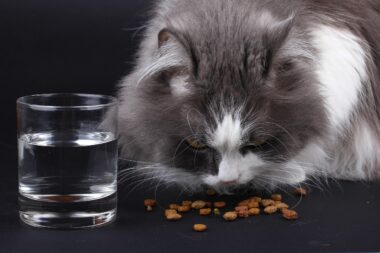
When choosing cat food, it is crucial to look for formulations that guarantee adequate taurine levels. These formulations often contain meat or fish ingredients, which are natural sources of taurine. Premium cat food brands may undergo extensive testing to ensure they meet the recommended taurine content. Labels may indicate the presence of taurine, protein, and other key nutrients. It’s essential to avoid low-quality cat foods that rely on plant-based proteins, as these often lack sufficient taurine. Additionally, homemade diets can sometimes be inadequate unless they are carefully balanced and supplemented. Working with a veterinarian or pet nutritionist can help ensure your cat’s diet is comprehensive and nutritionally complete. Remember, each cat is unique, so individual dietary needs may vary based on age, weight, activity level, and health conditions. Monitoring your cat’s body condition and health status can help determine if modifications to their diet are necessary. Always ensure fresh water is available alongside a balanced diet, as hydration is also vital for your cat’s overall well-being. Adopting these practices contributes significantly to your cat’s ongoing health and vitality.
Sources of Taurine in Cat Diet
Meat and fish serve as primary sources of taurine in a cat’s diet. High-quality proteins are essential not just for energy but also for providing the necessary amino acids. Rich sources of taurine include chicken, turkey, lamb, and various kinds of fish, such as salmon and tuna. These proteins should ideally be the first ingredient listed in your cat’s food to ensure quality and quantity. Cooked or raw meat can provide high levels of taurine, but it is crucial to ensure that raw diets are balanced and safe. Some commercial cat foods contain added taurine to ensure adequate levels, especially those designed for specific health needs. Additionally, taurine is available in supplement form for those opting for raw diets or providing homemade meals. These supplements can be found in pet stores or online, but it is always recommended to consult a veterinarian before introducing any new supplements. Understanding the importance of taurine and ensuring your cat’s diet includes adequate sources will help maintain their health and well-being long-term. This vigilance is key to preventing deficiencies and related health issues.
Aside from meeting taurine needs, it is equally important to consider the overall diet strategy. Cats are obligate carnivores and thrive on a diet primarily composed of animal products. This needs to be rich in protein and fats, with minimal carbohydrates, as many plant-based foods do not offer sufficient nutrients such as taurine. Understanding your cat’s natural dietary needs can help you make informed feeding decisions. It’s also essential to check for fillers, preservatives, and artificial additives in commercial cat food, as these can adversely affect health. Foods should be easily digestible, utilizing quality ingredients for maximum nutrient absorption. Additionally, some cats may have dietary sensitivities or allergies that require special diets. Regular monitoring of your cat’s health is crucial in adjusting their diet over time. If any issues arise with digestion or overall health, consult your veterinarian promptly. They can recommend dietary adjustments tailored to your cat’s needs. By being diligent about their nutrition, you can help maintain an optimal health state for your feline friend, thus ensuring they remain energetic and playful throughout their life.
Conclusion on Taurine’s Role
In conclusion, taurine plays a critical role in feline nutrition and is essential for overall health and longevity. Due to their inability to produce sufficient taurine, cats must obtain it through their diet. It supports various bodily functions, including heart health, vision, and reproductive abilities. Identifying taurine-deficient diets is essential in preventing complications like DCM and poor vision. It’s imperative for cat owners to choose high-quality cat food containing adequate amounts of taurine and essential nutrients. Regular vet check-ups can help monitor your pet’s health and nutritional needs effectively. With the appropriate approach to feeding and awareness of your cat’s dietary requirements, you can help ensure that they lead a healthy, active life. Awareness of taurine and its importance creates a solid foundation for the well-being of your cat. In addition, providing a nutritionally balanced diet, regularly checking for specific symptoms related to taurine deficiency, and consulting with professionals will significantly contribute to your pet’s health. Therefore, putting focus on taurine and overall nutrition is a crucial investment in your cat’s happiness and longevity.
The bottom line is that understanding taurine’s significance can lead to a better quality of life for your cat. Ensuring their diet is comprehensive and includes sufficient amounts of this essential nutrient will help prevent long-term health issues. Keeping in mind that cats are obligate carnivores helps to reinforce the idea that a meat-based diet is non-negotiable. Emphasizing the importance of monitoring your pet’s dietary intake of taurine is vital in promoting their health. New studies and advancements in pet nutrition continue to emerge, allowing owners to make better-informed decisions regarding their feline companions. This information empowers cat owners to strive for an optimal balance in their pets’ diets. By remaining informed on key nutrients like taurine, one can promote better health outcomes for cats. The role of taurine cannot be overstated; it is essential for supporting a cat’s heart, vision, and overall vitality. Ultimately, a happy and healthy cat relies on a scientifically-backed diet that meets all essential nutrient requirements. Prioritizing taurine and overall nutrition health ensures a long, happy, and vibrant life for your feline friend.